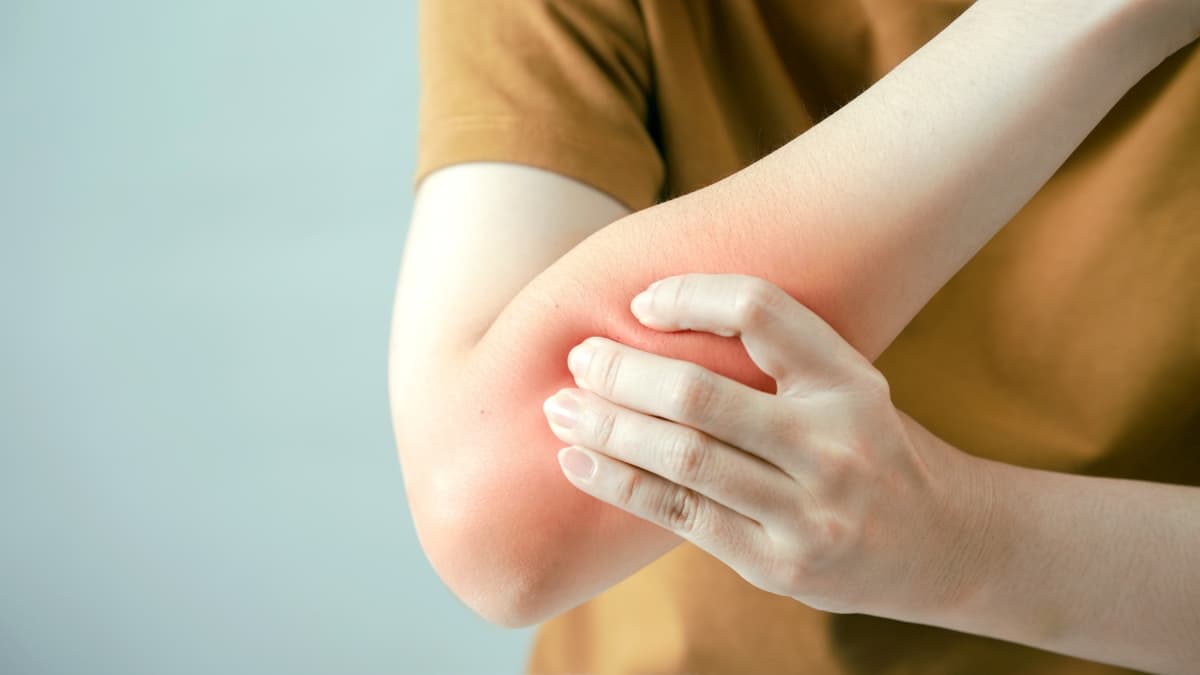
Joint degeneration can begin with subtle symptoms like stiffness, reduced flexibility, swelling, or joint clicking during movement. Research suggests early lifestyle changes, strength training, and mobility support may help maintain joint function and reduce discomfort over time, especially when combined with proper medical evaluation and long-term movement habits.
Signs of Joint degeneration often develops gradually, which is one reason many people ignore the early signs. Stiffness after sitting, reduced flexibility, occasional clicking, or discomfort during movement can seem minor at first, but over time these changes may begin affecting daily life.
There is also a lot of conflicting information around joint health. Some sources blame aging alone, while others promote supplements as complete solutions. After reviewing clinical literature, orthopedic guidance, and real-world discussions from health communities, the evidence suggests the picture is far more nuanced.
I’m an independent health content researcher who reviews peer-reviewed studies, analyzes expert recommendations, and compares community experiences to separate evidence from marketing claims.
This article explains what joint degeneration actually is, what the research says about common warning signs, which lifestyle strategies appear most supported by evidence, and where supplements may fit into a broader approach. This article is not a treatment guide. It is an overview of what the research shows and what people in this situation commonly find helpful.
What Is Joint Degeneration?
Joint degeneration refers to the gradual breakdown of cartilage and structural tissues within a joint. Cartilage acts as a cushion between bones, helping movement remain smooth and reducing friction.
Over time, wear, inflammation, injury, and biomechanical stress can contribute to cartilage deterioration. This process is commonly associated with osteoarthritis, one of the most prevalent joint conditions worldwide. According to the CDC and NHS data, millions of adults experience some form of degenerative joint changes, especially in the knees, hips, hands, and spine.
Common symptoms may include:
- Joint stiffness
- Reduced mobility
- Swelling
- Grinding sensations
- Pain during movement
Conventional treatment for degenerative joint conditions typically involves physical therapy, exercise modification, pain management strategies, weight management, and, in some cases, medication or surgery. Lifestyle and supplementation strategies are sometimes used alongside medical treatment, though they are not replacements for it.
What Actually Causes Joint Degeneration?
The clinical literature on this is worth examining carefully, because joint degeneration rarely has a single cause.
Age-Related Cartilage Changes
Cartilage naturally loses resilience over time. Recovery from repetitive stress may also become slower with age.
Previous Injuries
Past injuries, especially involving ligaments or meniscus damage, can increase long-term joint stress.
Excess Body Weight
Research consistently shows that excess body weight increases mechanical pressure on weight-bearing joints like the knees and hips.
Inflammation and Metabolic Factors
Some inflammatory processes appear linked to cartilage breakdown. However, individual variation is significant, and researchers continue studying how systemic inflammation contributes to progression.
Repetitive Overuse
Occupations or sports involving repetitive joint stress may increase risk over time.
Single-cause explanations in this area are often oversimplified. Genetics, biomechanics, muscle strength, body composition, and lifestyle patterns can all influence outcomes.
What the Research Shows About Signs of Joint Degeneration
Morning Stiffness
One of the most commonly reported early signs is stiffness after waking or sitting for extended periods.
Evidence strength: robust
Research published through PubMed and Mayo Clinic resources suggests that stiffness lasting less than 30 minutes is common in early degenerative joint conditions.
What this means practically:
Mild stiffness alone does not confirm a serious condition, but recurring stiffness that progressively worsens deserves attention.
Grinding or Cracking Sounds
Clicking or grinding sensations, sometimes called crepitus, are frequently discussed in orthopedic literature.
Evidence strength: moderate
Some studies suggest joint noises alone are not always problematic. However, grinding combined with pain or swelling may indicate cartilage changes.
What this means practically:
Occasional painless popping is common. Persistent grinding with discomfort should be evaluated professionally.
Reduced Range of Motion
Difficulty bending, squatting, or rotating a joint normally may indicate structural changes.
Evidence strength: strong
Clinical evidence consistently links reduced mobility with progression of degenerative joint changes.
What this means practically:
Mobility limitations often respond better when addressed early through strengthening and movement-based interventions.
Swelling After Activity
Inflammation following repetitive use is another commonly reported sign.
Evidence strength: moderate to strong
Research suggests overworked joints may develop temporary inflammation, especially when surrounding muscles are weak or movement mechanics are compromised.
What this means practically:
Swelling that repeatedly returns after activity should not be ignored.
For readers who prefer a supplement-based approach alongside exercise and mobility work, products like Balmorex Pro combine ingredients commonly used in joint support formulations. More information is available here: Balmorex Pro
Practical Approaches: What People Actually Do
Strength Training and Muscle Support
What it involves:
- Resistance training
- Physical therapy exercises
- Muscle stabilization work
What the evidence says:
Research from orthopedic and rehabilitation literature consistently supports strength training for improving joint function and reducing stress on affected joints.
Who it tends to work best for:
- Adults with mild to moderate mobility limitations
- Individuals recovering from inactivity
Practical notes:
Programs should be gradual and adapted to pain levels.
Weight Management
What it involves:
Reducing excess stress on weight-bearing joints through sustainable dietary and activity changes.
What the evidence says:
Strong evidence links weight reduction with improved knee comfort and function in overweight individuals.
Who it tends to work best for:
- Knee and hip joint concerns
Practical notes:
Even modest weight reduction may decrease joint loading significantly.
Anti-Inflammatory Dietary Patterns
What it involves:
- Fatty fish
- Olive oil
- Vegetables
- Reduced ultra-processed food intake
What the evidence says:
Some evidence suggests Mediterranean-style eating patterns may support inflammatory balance.
Who it tends to work best for:
- Individuals with broader metabolic health concerns
Practical notes:
Diet quality appears more important than single “superfoods.”
Low-Impact Movement
What it involves:
- Walking
- Swimming
- Cycling
- Mobility exercises
What the evidence says:
Consistent low-impact activity is strongly associated with better joint function.
Who it tends to work best for:
- Older adults
- Sedentary individuals restarting exercise
Comparison Table
| Approach | Evidence Level | Best For | Notes |
|---|---|---|---|
| Strength Training | Strong | Mobility support | Often central to long-term management |
| Weight Management | Strong | Knee and hip stress | Reduces joint loading |
| Anti-Inflammatory Diet | Moderate | General wellness | Works gradually |
| Low-Impact Exercise | Strong | Daily function | Helps maintain mobility |
What to Look for in a Supplement (If You Choose That Route)
Supplements for joint health vary widely in formulation quality and supporting evidence.
Ingredients Commonly Studied
- Glucosamine sulfate
- Chondroitin sulfate
- MSM (methylsulfonylmethane)
- Turmeric or curcumin
- Collagen peptides
Research findings are mixed. Some systematic reviews show modest symptom support in certain populations, while others find inconsistent benefits.
Dosage Context
Clinical studies often evaluate:
- Glucosamine sulfate: around 1500 mg daily
- Chondroitin sulfate: around 800 to 1200 mg daily
- Curcumin: variable dosing depending on formulation
Quality Markers
Look for:
- Third-party testing
- GMP-certified manufacturing
- Transparent ingredient disclosure
Red Flags
Avoid:
- Products claiming to “reverse arthritis”
- Hidden proprietary blends
- Unrealistic recovery promises
Some people exploring joint support options choose formulations like Balmorex Pro because they combine multiple ingredients commonly discussed in joint health research. However, lifestyle strategies such as strength training, mobility work, and body weight management generally have stronger evidence overall.
You might also want to read about this: What Causes Knee Pain as You Age: 9 Proven Causes And Effective Active Solutions
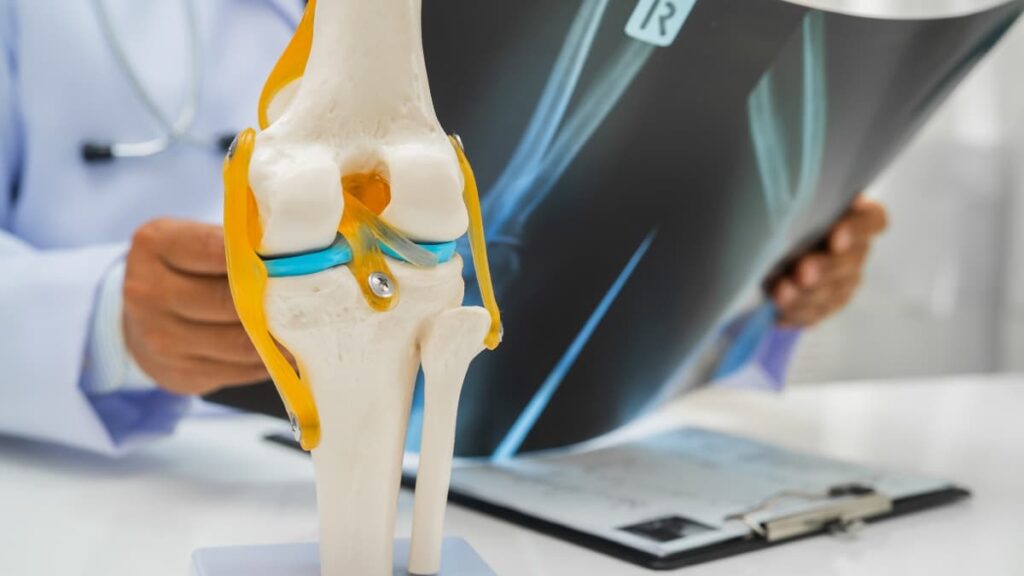
Realistic Expectations
After reviewing the available research on this topic, one theme appears consistently: joint health changes usually happen gradually, and improvement tends to be gradual as well.
People commonly report:
- Better mobility after several weeks of consistent exercise
- Reduced stiffness with regular movement habits
- Fluctuating symptoms depending on activity levels and sleep quality
Results vary significantly depending on:
- Age
- Severity of degeneration
- Body weight
- Injury history
- Exercise consistency
No supplement or lifestyle strategy replaces:
- Appropriate medical evaluation
- Physical rehabilitation when needed
- Consistent movement and strength maintenance
Who Should Be Cautious or Avoid These Approaches?
Given the nature of this health topic, several groups should consult a licensed healthcare provider before making any changes based on this article.
This includes:
- Pregnant or nursing women
- Individuals using blood thinners
- People with autoimmune conditions
- Individuals with severe joint pain or unexplained swelling
- Adults preparing for surgery
- People taking prescription anti-inflammatory medications
Anyone experiencing the following symptoms should seek medical evaluation promptly:
- Sudden inability to bear weight
- Joint redness with fever
- Rapid swelling
- Severe instability
- Persistent nighttime pain
When in doubt, speak with your doctor or pharmacist before starting any supplement or making significant changes to your health routine.
FAQ – Frequently Asked Questions
What are the earliest signs of joint degeneration?
Early signs often include morning stiffness, reduced flexibility, mild swelling, and discomfort during movement. Symptoms usually develop gradually rather than suddenly.
Can exercise help slow joint degeneration?
Research suggests appropriate exercise may support mobility, muscle strength, and joint stability. Low-impact movement and resistance training are commonly recommended.
How long does it take to notice improvement from lifestyle changes?
Some people notice mobility improvements within several weeks, especially with consistent exercise and weight management. Results vary widely depending on the individual and severity of symptoms.
When should someone see a doctor about joint symptoms?
Persistent swelling, severe pain, reduced mobility, instability, or symptoms interfering with daily life should be evaluated by a healthcare professional.
Affiliate Disclosure and Health Information Disclaimer: This article may contain affiliate links. If a purchase is made through these links, a commission may be earned at no additional cost to the reader. The content is provided for informational and educational purposes only and reflects independent research based on scientific literature, ingredient analysis, and publicly available health information. Supplements and wellness strategies discussed in this article should be viewed as supportive tools rather than substitutes for professional medical care. Readers with medical conditions or those taking medications should consult a qualified healthcare professional before making significant changes to their health routine.

Marcelo Carter is the founder and author behind Supplements Fit, where he shares supplement reviews, wellness insights, and healthy lifestyle content. Passionate about health and fitness, Marcelo spends his time researching ingredients, analyzing products, and creating beginner-friendly articles designed to help readers make smarter and more confident wellness decisions online.