
Signs of gum infection can include recurring gum tenderness, ongoing mouth odor, redness near the gumline, and discomfort when eating or brushing. Dental research indicates these changes are often connected to bacterial accumulation and inflammation. Consistent oral care habits, dietary improvements, and regular dental evaluations are commonly recommended to help maintain long-term gum health.
Gum infections often begin with subtle symptoms that are easy to dismiss. Mild bleeding while brushing, persistent bad breath, swollen gums, or increased tooth sensitivity may not seem serious at first, but these signs can sometimes point to underlying inflammation affecting oral health.
There is also a large amount of conflicting information online. Some sources reduce gum infections to simple hygiene issues, while others promote supplements as complete solutions. After reviewing dental research, clinical guidelines, and real-world community discussions, the evidence suggests oral health is influenced by a combination of hygiene, inflammation, nutrition, and overall health habits.
I’m an independent health content researcher who reviews peer-reviewed studies, evaluates expert guidance, and compares user-reported experiences to separate evidence from marketing claims.
This article explains what gum infections actually are, what the research says about common symptoms, practical evidence-based strategies that may support gum health, and where supplements may fit into a broader oral care approach. This article is not a treatment guide. It is an overview of what the research shows and what people in this situation commonly find helpful.
What Is a Gum Infection?
A gum infection occurs when bacteria accumulate around the gums and trigger inflammation. In its early stages, this may appear as gingivitis, which involves irritation and swelling of the gum tissue. If left unmanaged, inflammation can progress deeper into supporting tissues surrounding the teeth.
According to sources such as the Mayo Clinic and NHS, common signs may include:
- Bleeding gums
- Swelling or redness
- Persistent bad breath
- Gum tenderness
- Gum recession
- Loose teeth in advanced cases
Oral health matters because chronic inflammation in the gums may affect overall quality of life, eating comfort, and long-term dental stability.
Conventional treatment for gum infections typically involves professional dental cleaning, improved oral hygiene practices, plaque removal, and, in some cases, antibiotics or periodontal procedures. Lifestyle and supplementation strategies are sometimes used alongside professional care, though they are not replacements for dental treatment.

What Actually Causes Gum Infections?
The clinical literature on this is worth examining carefully, because gum disease rarely develops from a single factor alone.
Plaque and Bacterial Buildup
The strongest evidence points to plaque accumulation as the primary driver of gum inflammation. Bacteria in plaque can irritate gum tissue over time.
Smoking and Tobacco Use
Research consistently links smoking with increased risk of gum disease progression and slower healing.
Poor Oral Hygiene Habits
Irregular brushing and flossing may allow bacteria to remain around the gumline.
Nutrition and Immune Function
Some evidence suggests nutrient deficiencies and broader inflammatory health patterns may influence gum resilience, although research here remains more complex and individualized.
Chronic Health Conditions
Conditions such as diabetes may increase vulnerability to gum-related complications, which is one reason dental professionals often recommend regular monitoring.
Single-cause explanations are usually oversimplified. Genetics, oral microbiome balance, smoking status, stress, and daily hygiene habits can all influence outcomes.
What the Research Shows About Signs of Gum Infection
Bleeding While Brushing or Flossing
One of the earliest and most common signs involves bleeding gums during oral hygiene routines.
Evidence strength: robust
Dental literature consistently associates recurring bleeding with gum inflammation.
What this means practically:
Occasional irritation may happen, but persistent bleeding should not be ignored.
Persistent Bad Breath
Bad breath that does not improve with brushing is commonly discussed in periodontal research.
Evidence strength: moderate to strong
Bacterial buildup around the gums may contribute to ongoing odor.
What this means practically:
Chronic bad breath may indicate deeper oral hygiene or gum health issues.
Swollen or Red Gums
Inflamed gums often appear puffy, darker red, or tender.
Evidence strength: strong
Clinical evidence consistently links swelling with inflammatory responses in gum tissue.
What this means practically:
Swelling that repeatedly returns deserves professional attention.
Gum Recession
As inflammation progresses, gum tissue may begin pulling away from the teeth.
Evidence strength: strong
Research suggests gum recession may increase sensitivity and vulnerability around tooth roots.
What this means practically:
Early intervention is generally associated with better long-term outcomes.
For readers interested in supplement-based oral support alongside proper brushing, flossing, and dental care, products like Synadentix combine ingredients commonly discussed in oral health formulations. More information is available here: Synadentix

Practical Approaches: What People Actually Do
Improving Daily Oral Hygiene
What it involves:
- Brushing twice daily
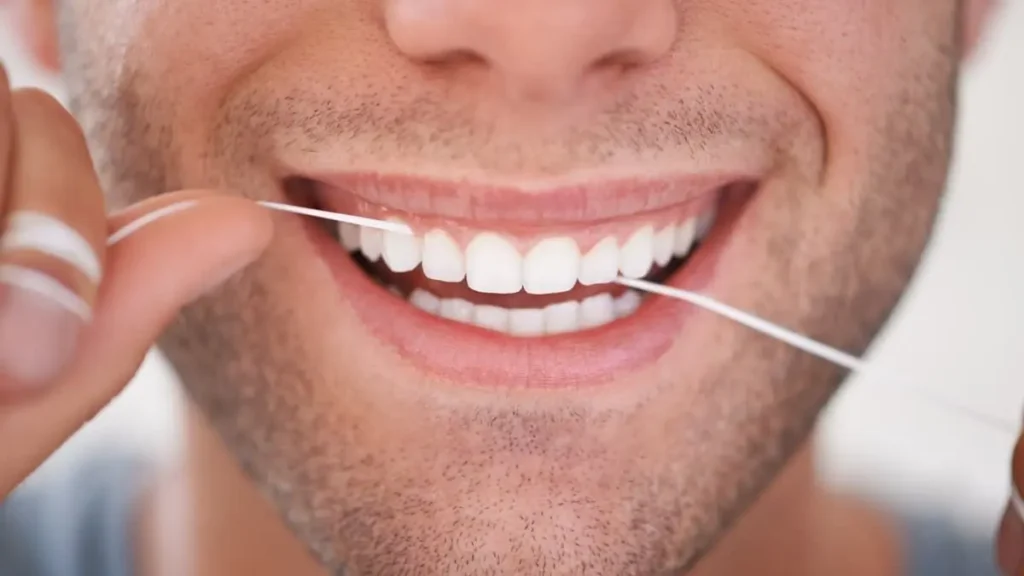
- Flossing consistently
- Using fluoride toothpaste
What the evidence says:
Strong clinical evidence supports plaque control as a central part of gum health maintenance.
Who it tends to work best for:
- Most adults with early gum irritation
Practical notes:
Technique consistency matters more than aggressive brushing.
Professional Dental Cleaning
What it involves:
Regular cleanings to remove hardened plaque and tartar.
What the evidence says:
Dental organizations consistently recommend professional cleanings for preventing progression.
Who it tends to work best for:
- Individuals with recurring inflammation or plaque buildup
Practical notes:
Frequency depends on individual risk factors.
Dietary Support
What it involves:
- Reducing excess sugar intake
- Increasing fiber-rich foods
- Supporting vitamin C intake
What the evidence says:
Some research suggests dietary quality may influence gum tissue resilience and inflammatory balance.
Who it tends to work best for:
- Individuals with poor dietary habits or high sugar intake
Smoking Reduction or Cessation
What it involves:
Reducing tobacco exposure.
What the evidence says:
Smoking cessation is strongly associated with improved oral healing and reduced periodontal risk.
Who it tends to work best for:
- Current smokers
Comparison Table
| Approach | Evidence Level | Best For | Notes |
|---|---|---|---|
| Oral Hygiene Improvement | Strong | Early gum irritation | Central long-term strategy |
| Professional Cleaning | Strong | Plaque management | Often necessary |
| Dietary Improvements | Moderate | Inflammatory balance | Works gradually |
| Smoking Reduction | Strong | Smokers | Supports healing |
What to Look for in a Supplement (If You Choose That Route)
Supplements marketed for oral health vary significantly in quality and supporting evidence.
Ingredients Commonly Discussed
- Zinc
- Vitamin C
- Herbal antimicrobial compounds
- Probiotics targeting oral microbiome balance
Dosage Context
Clinical research varies widely depending on formulation and intended use.
Quality Markers
Look for:
- GMP-certified manufacturing
- Transparent ingredient labels
- Third-party testing when available
Red Flags
Avoid:
- Products claiming to “cure” gum disease
- Supplements replacing dental treatment
- Proprietary blends with unclear ingredient amounts
Some individuals exploring broader oral wellness strategies choose products like Synadentix because they combine ingredients commonly used in oral support formulations. However, consistent brushing, flossing, dietary improvements, and professional dental care remain the most evidence-supported approaches overall.
You might want to check out this as well: Daily Oral Care Routine: 9 Essential Habits for Strong Teeth
Realistic Expectations
After reviewing the available research on gum health, one pattern appears consistently: oral health improvements usually depend on daily habits rather than short-term interventions.
People commonly report:
- Reduced bleeding within several weeks of improved hygiene
- Fresher breath with consistent plaque management
- Variable results depending on smoking, diet, and dental history
Results vary significantly based on:
- Oral hygiene consistency
- Smoking status
- Existing gum damage
- Dietary habits
- Frequency of professional care
No supplement or lifestyle strategy replaces:
- Regular dental evaluation
- Professional plaque removal when necessary
- Consistent brushing and flossing habits
Who Should Be Cautious or Avoid These Approaches?
Given the nature of this health topic, several groups should consult a licensed healthcare provider or dentist before making significant changes based on this article.
This includes:
- Pregnant or nursing women
- Individuals with diabetes
- People using blood thinners
- Individuals with autoimmune conditions
- Anyone experiencing severe oral pain or swelling
Seek prompt dental evaluation if you experience:
- Loose teeth
- Pus around the gums
- Facial swelling
- Fever alongside oral symptoms
- Significant gum recession
When in doubt, speak with your dentist, doctor, or pharmacist before starting any supplement or making significant changes to your health routine.
FAQ – Frequently Asked Questions
What are the first signs of a gum infection?
Early signs commonly include bleeding while brushing, swollen gums, bad breath, and gum tenderness. Symptoms often develop gradually rather than suddenly.
Can gum infections go away on their own?
Mild irritation may improve with better oral hygiene, but persistent symptoms generally require professional dental evaluation. Untreated infections may worsen over time.
What helps support gum health naturally?
Consistent brushing, flossing, reduced sugar intake, smoking cessation, and regular dental cleanings are among the most evidence-supported approaches.
How long does it take for inflamed gums to improve?
Some people notice reduced bleeding and irritation within several weeks of improved oral hygiene habits. Results vary depending on severity and consistency.
When should someone see a dentist about gum symptoms?
Persistent bleeding, swelling, loose teeth, gum recession, or pain should be professionally evaluated to rule out progressing periodontal disease.
Affiliate Disclosure and Health Information Disclaimer: This article may contain affiliate links. If a purchase is made through these links, a commission may be earned at no additional cost to the reader. The content is provided for informational and educational purposes only and reflects independent research based on scientific literature, ingredient analysis, and publicly available health information. Supplements and wellness strategies discussed in this article should be viewed as supportive tools rather than substitutes for professional medical care. Readers with medical conditions or those taking medications should consult a qualified healthcare professional before making significant changes to their health routine.

Marcelo Carter is the founder and author behind Supplements Fit, where he shares supplement reviews, wellness insights, and healthy lifestyle content. Passionate about health and fitness, Marcelo spends his time researching ingredients, analyzing products, and creating beginner-friendly articles designed to help readers make smarter and more confident wellness decisions online.