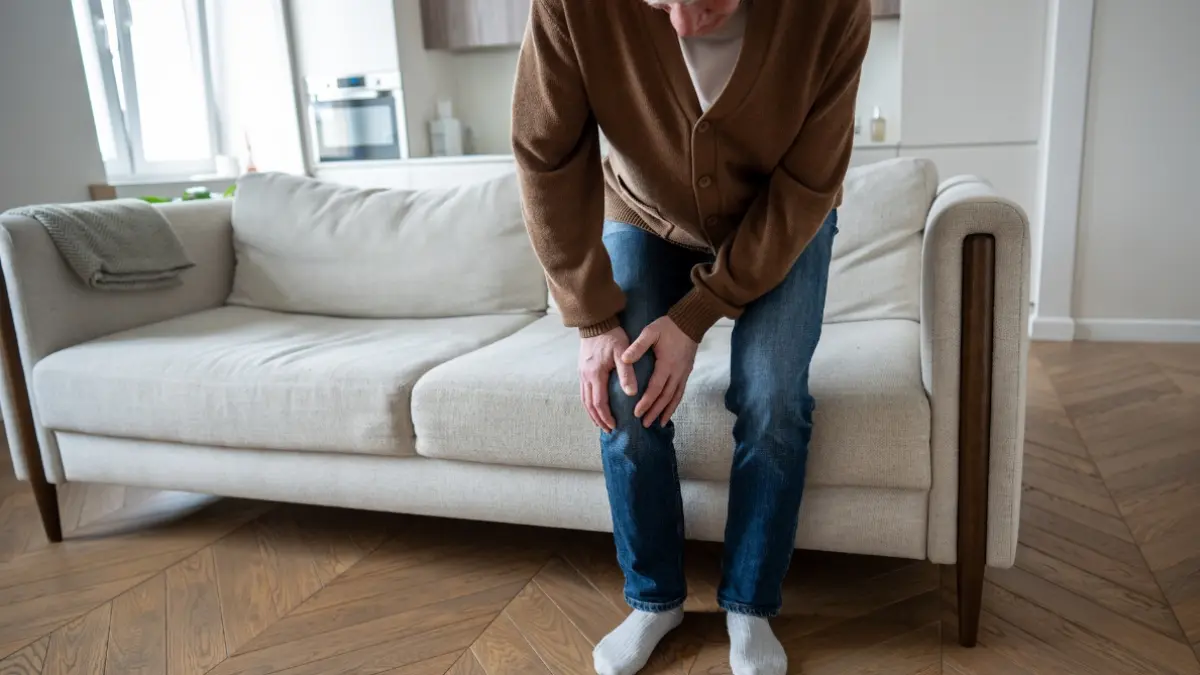
Knee pain as you age usually develops due to gradual changes in the joint, including cartilage breakdown, reduced lubrication, muscle weakness, and shifts in how the knee handles movement and weight.
Knee pain as you age is commonly caused by cartilage wear, joint inflammation, muscle weakness, and past injuries. These changes can lead to stiffness, swelling, and reduced mobility. Identifying the cause early helps you manage symptoms effectively and stay active with the right exercises and lifestyle adjustments.
As you get older, small changes inside the knee can make a big difference in how you move and how you feel. Cartilage thins, ligaments lose elasticity, muscles that support the joint weaken, and past injuries or extra pounds can speed the process. That combination can turn routine tasks like climbing stairs, walking the dog, or playing with your grandchildren into a source of worry and frustration. It is normal to feel concerned about losing independence. Understanding what is happening inside your knees can reduce that fear and help you take practical steps to manage pain and stay in control of your movement.
In this article you will get clear, practical information that helps you understand what is happening in your knees and what to do about it. I will walk you through knee anatomy and how aging changes the joint, the common age-related conditions that cause knee pain, and the symptoms and pain patterns that help identify the cause. You will also get actionable next steps to manage pain, improve strength and stay active, plus guidance on when to seek medical care. Read on to learn how to protect your knees, keep doing the activities you love, and move with more confidence every day.
What Causes Knee Pain as You Age?
Knee anatomy and how aging changes the joint
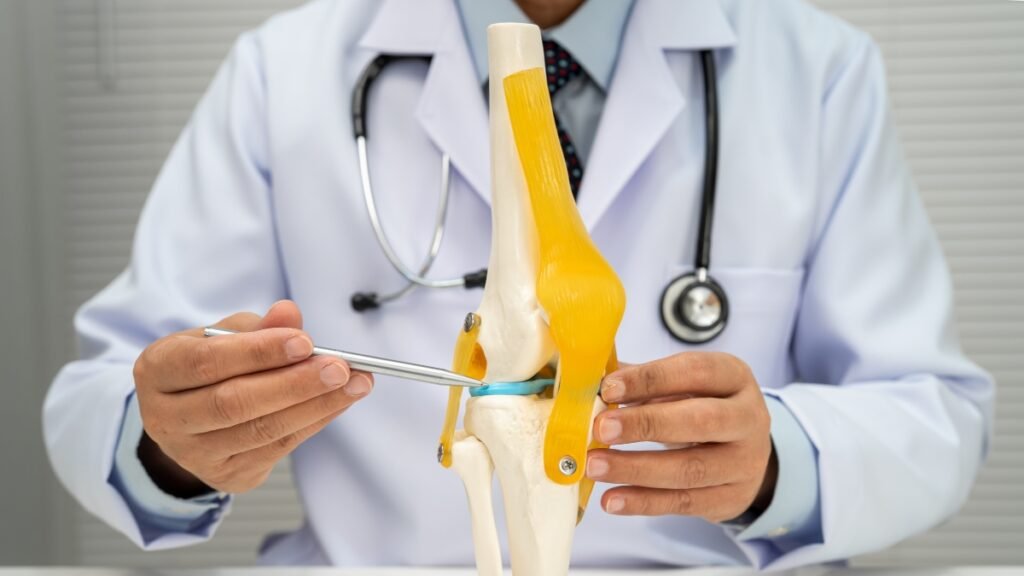
Key structures: cartilage, meniscus, ligaments, and bone
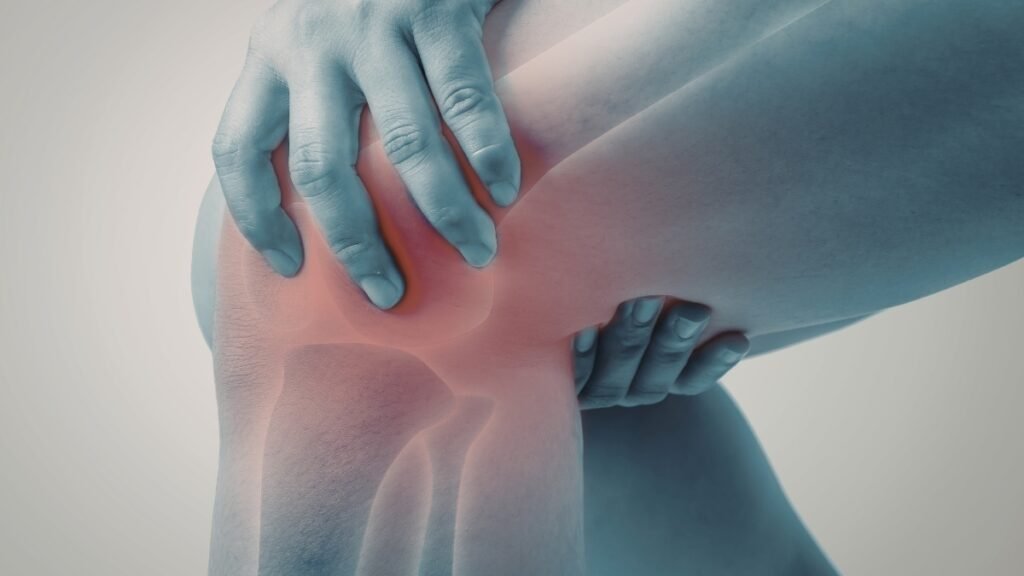
The knee is a complex hinge built from several key parts that work together to support movement. Articular cartilage covers bone ends, the menisci are shock-absorbing cushions, ligaments stabilize the joint, and the bones provide the rigid framework. This understanding makes it easier to see how damage in any of these structures leads to symptoms and guides better knee pain treatment decisions.
Each component has a role in smooth motion and load distribution, so decline in one area strains the rest. For example, torn meniscus changes load patterns, worn cartilage increases bone stress, and weakened ligaments allow abnormal motion, all of which help explain why knee pain develops with age.
| Structure | Main function | Typical age-related change |
|---|---|---|
| Cartilage | Shock absorption and smooth glide | Thinning, fraying, reduced lubrication |
| Meniscus | Load distribution and stability | Degeneration, tears, loss of cushioning |
| Ligaments | Joint stability | Reduced strength, laxity, injury |
| Bone | Support and weight bearing | Remodeling, spurs, density changes |
Biological changes with aging: cartilage loss, bone remodeling, and inflammation
With age, cartilage cells slow their repair, so cartilage loss and thinning become common. These changes help explain What Causes Knee Pain as You Age when movement becomes stiff or noisy. Bone responds by remodeling, sometimes forming osteophytes that change joint shape and increase irritation.
Chronic low-grade inflammation also rises with age, sensitizing nerves and swelling tissues, which magnifies discomfort and limits function, and this process is another reason people experience knee pain with aging. Recognizing these biological changes helps guide targeted steps to protect the knee, support aging joints, and improve knee pain relief outcomes.
Next, we will explore common symptoms and practical strategies to reduce pain and improve mobility.
Common age-related conditions that cause knee pain
As knees age, the small structural changes inside the joint add up and begin to limit activity and comfort. These changes include cartilage thinning and altered joint mechanics, which explain knee pain as you age. Understanding the specific conditions helps you take targeted action and stay active.
Osteoarthritis: wear-and-tear joint disease
Osteoarthritis is the most common culprit, driven by gradual cartilage breakdown and reduced joint lubrication. Pain, stiffness, and a grinding sensation are classic signs, and this process is a core reason many people ask What Causes Knee Pain as You Age. Early exercise and weight management can slow progression, improve function, and are key parts of osteoarthritis knee treatment.
Meniscal degeneration and tears
Meniscal tissue loses elasticity over time and becomes more prone to fraying or tearing with routine movements. A degenerative meniscal tear often causes catching, swelling, and localized pain, which contributes to knee pain as you age when everyday motions become painful. Minimally invasive treatments, targeted exercises, and rehabilitation often restore stability and mobility.
Tendinopathy and bursitis
Tendons and bursae respond to chronic overload and age related changes by becoming inflamed or weakened. Symptoms include sharp pain with activity and tenderness around the kneecap, and these problems explain part of What Causes Knee Pain as You Age for active adults. Targeted strengthening, proper knee pain exercises, and load modification can relieve symptoms quickly.
Post-traumatic and post-surgical arthritis
Past injuries or surgeries alter joint alignment and cartilage health, increasing wear years later and often causing pain during weight bearing. This pattern is a frequent answer to What Causes Knee Pain as You Age when previous trauma resurfaces as arthritis. Timely assessment can guide options from conservative care to joint preservation.
| Condition | Typical signs | Primary focus of care |
|---|---|---|
| Osteoarthritis | Stiffness, grinding, swelling | Weight control, exercise, pain relief |
| Meniscal degeneration | Locking, localized pain | Physical therapy, selective surgery |
| Tendinopathy / Bursitis | Activity pain, point tenderness | Load management, strengthening |
| Post-traumatic arthritis | Early wear, activity intolerance | Alignment, joint preservation |
With these common causes in mind, you can choose the next What Causes Knee Pain as You Age, steps confidently and learn how diagnosis and treatment options can restore mobility.
Symptoms and pain patterns that help identify the cause
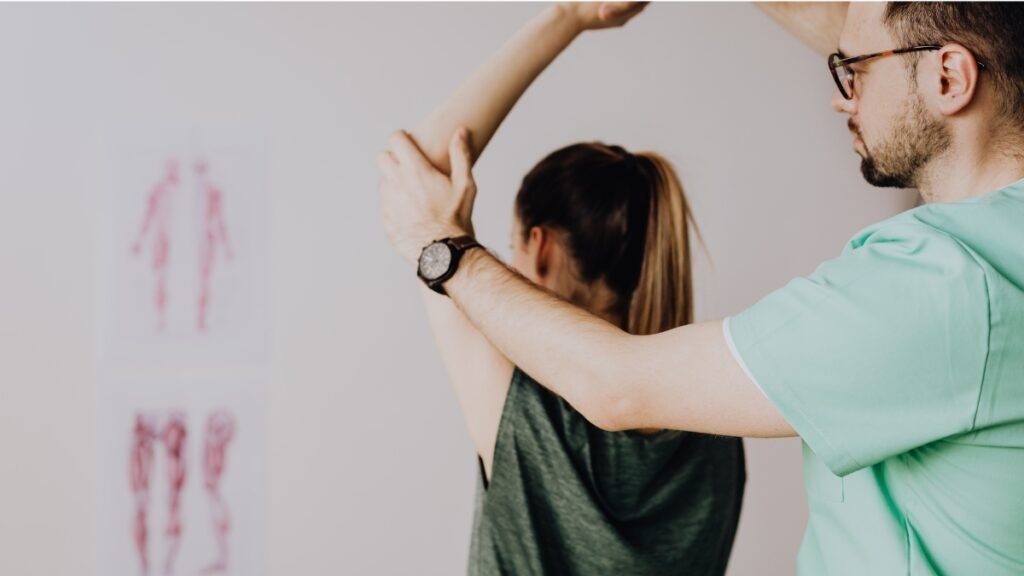
Recognizing specific symptoms and how they appear during daily activities helps you and your clinician pinpoint the underlying problem. Small changes in cartilage, ligaments, and muscle support create distinct pain patterns that guide diagnosis and treatment. Stay alert to when pain starts, what makes it worse, and how long it lasts.
Pain location and activity triggers
Where the pain sits on the knee and which movements bring it on are critical clues. Pain around the front of the knee, especially when climbing stairs or after sitting, often points to joint surface wear or patellar tracking problems, which is one answer to What Causes Knee Pain as You Age when cartilage thins and alignment shifts.
| Location | Activity Trigger | Likely Cause |
|---|---|---|
| Front of knee | Stairs, squatting | Patellofemoral arthritis or tracking issues |
| Inside or outside | Twisting, lateral stress | Meniscal wear or ligament strain |
| Deep pain | Weight bearing, long walks | Tibiofemoral cartilage loss |
Stiffness, reduced range of motion, and morning symptoms
Morning stiffness and trouble fully bending or straightening are common complaints. Reduced range of motion often means cartilage loss, joint inflammation, or scar tissue formation, symptoms that answer what causes Knee Pain as You Age when lubrication and muscle support decline. If stiffness improves with movement, inflammation may be a major factor.
Swelling, locking, and instability
Visible swelling suggests inflammation or fluid buildup, while locking or catching often signals meniscal damage or loose fragments. A sense of giving way usually reflects ligament weakness or advanced joint degeneration. These signs help explain What Causes Knee Pain as You Age when structures inside the knee no longer cushion or guide motion properly.
Matching symptom patterns to likely causes motivates targeted care and realistic goals, next What Causes Knee Pain as You Age, we will look at diagnostic steps and tests to confirm the source of pain.
Risk factors that speed up knee degeneration
Understanding what speeds knee degeneration helps you fight back. Several factors accelerate the normal wear and tear that causes pain, stiffness and swelling, and knowing them lets you take targeted action. Excessive load, trauma and inherited traits all change how the joint copes, and they explain much of knee pain with aging.
Obesity and metabolic factors
Carrying extra weight raises the mechanical load on cartilage and increases inflammatory chemicals that eat away at joint tissue. Weight loss and metabolic control are powerful tools to slow progression and are essential for long-term knee pain relief, because reducing force on the knee lowers symptoms and delays structural damage. Research links insulin resistance and systemic inflammation to faster cartilage loss, which clarifies why What Causes Knee Pain as You Age in many people.
Previous injuries and surgeries
Tears to ligaments or menisci and imperfect surgical repairs change joint mechanics and raise degeneration risk. Scar tissue and altered load distribution create focal wear patterns that worsen over years, explaining episodes of increasing discomfort and instability, and this is a common piece of What Causes Knee Pain as You Age.
Repetitive joint stress from work or sport
Repeated deep bending, heavy lifting or high-impact sports produce microdamage that accumulates. Overuse reduces the knee’s ability to recover and accelerates cartilage breakdown, so modifying techniques and adding recovery can reduce long term harm, helping prevent the pathway of What Causes Knee Pain as You Age.
Genetics and limb alignment
Your genes and the way your bones line up set a baseline risk that you cannot change, but you can manage its consequences. Bowed legs, knock knees, or inherited cartilage resilience determine where wear concentrates, guiding targeted therapies, braces or corrective options to slow progression.
| Risk Factor | Modifiable? | Key strategy |
|---|---|---|
| Obesity | Yes | Weight loss, nutrition, exercise |
| Prior injury | Partially | Rehab, stabilization, activity modification |
| Repetitive stress | Yes | Technique change, rest, cross training |
| Genetics/alignment | No (baseline) | Bracing, surgery if needed, targeted therapy |
With these risk factors in mind, you can choose the next steps to protect your knees and slow degeneration, leading into practical prevention and treatment options in the next section.
You may also be interested in reading about: Signs of Joint Degeneration: 7 Important Evidence-Based Signs Worth Paying Attention To
How doctors evaluate knee pain: exams and imaging
Medical history and physical examination
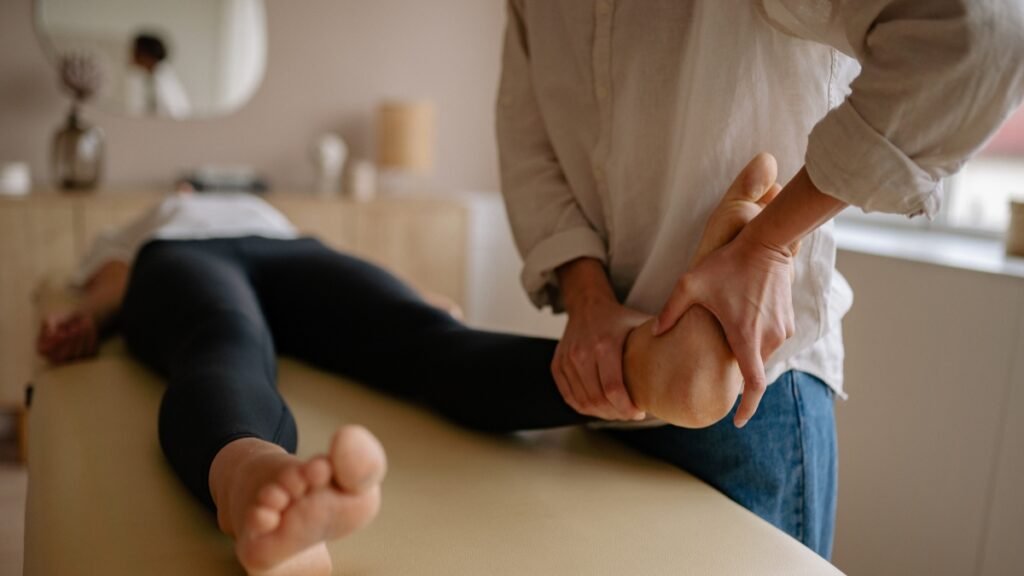
Doctors begin by asking targeted questions about your symptoms, activities, and any injuries. They want to know when the pain started, what makes it better or worse, and whether swelling or locking has occurred, because this context reveals clues about structure versus soft tissue problems.
A focused physical exam checks range of motion, tenderness, swelling, and ligament stability, and may include simple functional tests like squatting or stepping. These maneuvers help determine whether degenerative changes, muscle weakness, or alignment shifts explain What Causes Knee Pain as You Age, and guide which imaging or tests are needed next.
X-rays, MRI, and ultrasound: when each is useful
X-rays are the first-line imaging for persistent knee pain. They show bone alignment, joint space narrowing, and bone spurs linked to osteoarthritis. If X-rays are normal but symptoms persist, doctors often order MRI to visualize cartilage, menisci, tendons, and ligaments.
Ultrasound is useful for assessing fluid, bursae, and tendon pathology in real time, and it can guide injections. Choosing X-ray, MRI, or ultrasound depends on exam findings and on understanding What Causes Knee Pain as You Age, so imaging is tailored rather than routine.
| Modality | Best for | Limitations |
|---|---|---|
| X-ray | Bone alignment, joint space, arthritis | Does not show soft tissues |
| MRI | Cartilage, meniscus, ligaments | Costly, not always needed |
| Ultrasound | Tendons, bursae, guided procedures | Operator dependent, limited deep view |
Laboratory tests and specialist referral criteria
Blood tests are not routine for mechanical pain, but they are important if inflammation, infection, or autoimmune disease is suspected. Markers like CRP, ESR, and specific antibodies can help differentiate inflammatory arthritis from wear and tear causes.
Referral to an orthopedic surgeon or rheumatologist is recommended when pain limits daily activities despite conservative care, imaging shows complex structural damage, or laboratory tests suggest inflammatory disease. Understanding What Causes Knee Pain as You Age helps you advocate for the right specialist at the right time, accelerating effective care.
With a clear diagnosis from history, exam, and targeted tests, your care team can create a focused plan, so next we will review treatment options and prevention strategies.
Surgical options for persistent or severe knee problems
Arthroscopy: what it can and cannot fix
Arthroscopy is a minimally invasive procedure that allows surgeons to remove loose fragments, repair certain meniscal tears, and smooth rough cartilage surfaces. It can relieve mechanical symptoms like catching or locking, and it often speeds short term recovery when those specific problems cause symptoms, because knee pain with aging often involves loose fragments and meniscal tears.
That said, arthroscopy is not a cure for generalized osteoarthritis, and it rarely halts progressive cartilage loss. For degenerative knee pain driven by joint wear, evidence shows limited long-term benefit when the underlying issue is the gradual breakdown that explains What Causes Knee Pain as You Age. Surgeons reserve arthroscopy for targeted problems rather than diffuse arthritis.
Osteotomy and partial knee replacement
Osteotomy changes bone alignment to shift load away from a damaged compartment, offering a joint preserving option for younger, active patients with one sided wear. This technique can delay the need for a full replacement by correcting the mechanical imbalance that often develops as part of What Causes Knee Pain as You Age.
Partial knee replacement replaces only the damaged compartment and preserves healthy bone and ligaments, typically giving faster recovery and more natural knee motion than total replacement. It is best when arthritis is limited to a single compartment, and it addresses the localized wear that helps explain What Causes Knee Pain as You Age.
| Procedure | Best for | Typical recovery | Longevity |
|---|---|---|---|
| Arthroscopy | Loose bodies, meniscal tears | Weeks | Symptom dependent |
| Osteotomy | Unilateral alignment failure, younger patients | 3–6 months | Can delay replacement |
| Partial Replacement | Single compartment arthritis | 6–12 weeks | 10–20 years |
| Total Replacement | Diffuse end stage arthritis | 3–6 months for daily activities | 15–20+ years |
Total knee replacement and expected outcomes
Total knee replacement is the standard for advanced, multi compartment arthritis that causes persistent pain and disability. Most patients experience substantial pain relief and improved function, because the operation replaces the worn surfaces that are central to What Causes Knee Pain as You Age.
Improvements in function are often noticeable within weeks, with steady improvement through the first 3 to 6 months. Long term implant survival is high, and many people return to walking, light sports, and active daily life with durable relief from the joint degeneration that explains What Causes Knee Pain as You Age.
Risks, complications, and recovery timeline
All surgeries carry risks such as infection, blood clots, stiffness, and implant problems. Understanding these risks matters, because complications can interact with the same degenerative changes that contribute to What Causes Knee Pain as You Age, and knowing them helps you choose the right option.
Recovery varies by procedure: arthroscopy is fastest, osteotomy and partial replacement require months, and total replacement usually needs three to six months for most activities, with continued gains up to a year.
If surgery is on the table, discuss goals, implant choices, and rehabilitation plans with your surgeon so you can move confidently into the next steps and consider non surgical strategies that support long term knee health.
Practical tips to stay active and protect aging knees
Safe low-impact exercises and progression
Choose activities that protect cartilage and build strength without pounding the joint. Walking, cycling, swimming, water aerobics and elliptical training reduce impact while improving endurance. Add two to three sessions of targeted strength work per week, including proven knee pain exercises focusing on quadriceps, hamstrings and glutes to restore balance and support the joint.
Understanding What Causes Knee Pain as You Age will guide your exercise choices, start with shorter sessions and increase duration by about 10 percent per week. Progress load by adding gentle resistance, not speed, and prioritize form over intensity to avoid compensatory patterns that increase strain.
| Exercise | Benefits | Progression |
|---|---|---|
| Swimming | Zero-impact conditioning | Longer sets, adding intervals |
| Cycling | Builds endurance, low load | Increase resistance, add hills |
| Resistance band squats | Strengthens stabilizers | Higher reps, heavier band |
Warm-up, recovery, and pain monitoring strategies
Warm up with five to ten minutes of gentle activity and dynamic mobility to increase joint lubrication. Cool down with light stretching and soft tissue work to support recovery. Use ice for acute swelling and heat for stiffness, and prioritize sleep and nutrition for tissue repair.
Monitor pain using a simple scale and adjust activity when discomfort rises above a tolerable level. Knowing What Causes Knee Pain as You Age helps you interpret soreness versus warning signals and prevents flare-ups.
Adapting daily activities and sports to reduce risk
Modify tasks to reduce compressive load by sitting to put on shoes, using handrails, and avoiding deep knee bends when possible. Cross-train rather than specialize, and swap high-impact sports for racket sports on softer courts or for swimming sessions to maintain fitness safely.
Proper footwear, knee-friendly techniques and pacing help manage symptoms when you understand What Causes Knee Pain as You Age, helping you stay active longer without increasing joint damage.
When to seek medical advice and long-term follow-up
See a clinician if you have persistent swelling, locking, instability or progressive loss of function despite conservative care. An exam, imaging and rehab plan can reveal mechanical issues and create a long-term strategy to preserve mobility and define the best knee pain treatment for your case.
If symptoms limit daily life, discuss injections, bracing or surgical options and maintain periodic follow-up with your provider. Integrating what you learn about What Causes Knee Pain as You Age into ongoing care helps prevent setbacks and supports long-term activity goals.
Next, we’ll explore nutritional and lifestyle changes that support joint health and recovery.
Conclusion
As I reflect on what I learned about aging knees, I see clearly how the joint changes with time, how cartilage wears, and how common conditions like osteoarthritis and tendonitis cause pain. I noticed how symptoms and pain patterns give clues to the cause, and how risk factors such as weight, past injuries, and repetitive stress speed degeneration. I also learned how doctors use exams and imaging to pinpoint problems, and how early steps can slow decline. These takeaways help me feel more in control and ready to act, not helpless about knee pain as I age.
For my next steps, I plan practical changes I can keep doing every day. I will start gentle strengthening for my quads and hips, add low-impact cardio like walking or cycling, and watch my weight to lower joint stress. I will adjust activities that flare pain, choose supportive shoes, and try a short daily mobility routine.
If pain limits my life, I will book a physical therapy visit, discuss imaging and treatment options with my doctor, and consider braces or injections only after professional advice. Small consistent steps matter more than big, sporadic efforts, and I will stay patient and persistent, focusing on consistent knee pain relief strategies that support long-term joint health.
If you are experiencing ongoing knee pain, call your primary care doctor or an orthopedic clinic and schedule an evaluation this week. This single action can start your path to better movement and less pain. If swelling, instability, or severe pain keep you from daily activities, seek care immediately. Take that call, book the visit, and begin a simple 10-minute strengthening routine today so you are already moving in the right direction.
FAQ
What causes knee pain as you age?
Knee pain as you age is mainly caused by cartilage wear, reduced joint lubrication, muscle weakness, and past injuries. These changes increase friction inside the joint, leading to stiffness, swelling, and discomfort. Over time, the knee becomes less stable and more sensitive to everyday movements like walking or climbing stairs.
How can you relieve knee pain naturally as you get older?
You can relieve knee pain naturally by strengthening the muscles around the joint, maintaining a healthy weight, and choosing low-impact activities like walking or cycling. Stretching, proper footwear, and applying heat or ice also help reduce stiffness and inflammation while improving mobility and daily comfort.
Why does knee pain get worse with age even without injury?
Knee pain worsens with age because cartilage gradually breaks down, joint fluid decreases, and inflammation becomes more common. Even without injury, these changes reduce shock absorption and increase joint stress, making normal movements more painful and less efficient over time.
When should you see a doctor for knee pain?
You should see a doctor if knee pain lasts more than a few weeks, worsens over time, or includes swelling, locking, or instability. Sudden severe pain or inability to bear weight requires immediate attention. Early evaluation helps identify the cause and prevents further joint damage.
Who is most at risk for developing knee pain with aging?
People with excess weight, previous knee injuries, or jobs and sports involving repetitive stress are at higher risk. Genetics and joint alignment also play a role. These factors increase wear on the knee joint and accelerate the degenerative processes linked to aging.
Which exercises are best for knee pain as you age?
The best exercises for knee pain include low-impact options like walking, cycling, swimming, and strength training for the quadriceps and hips. These exercises improve joint stability, reduce pressure on the knee, and help maintain mobility without worsening pain or causing additional stress.
Affiliate Disclosure and Health Information Disclaimer: This article may contain affiliate links. If a purchase is made through these links, a commission may be earned at no additional cost to the reader. The content is provided for informational and educational purposes only and reflects independent research based on scientific literature, ingredient analysis, and publicly available health information. Supplements and wellness strategies discussed in this article should be viewed as supportive tools rather than substitutes for professional medical care. Readers with medical conditions or those taking medications should consult a qualified healthcare professional before making significant changes to their health routine.

Marcelo Carter is the founder and author behind Supplements Fit, where he shares supplement reviews, wellness insights, and healthy lifestyle content. Passionate about health and fitness, Marcelo spends his time researching ingredients, analyzing products, and creating beginner-friendly articles designed to help readers make smarter and more confident wellness decisions online.