Blue Light Damage is often misunderstood. Research shows it is more closely linked to digital eye strain and sleep disruption than permanent eye damage. This guide explains what the science actually says and outlines practical, evidence-based ways to reduce strain and protect your vision.
If you spend hours on a phone, laptop, or tablet, you have probably wondered whether blue light is quietly damaging your eyes. Reports online range from “harmless” to “seriously harmful,” which makes it difficult to know what to believe.
After reviewing the available research on blue light exposure, digital eye strain, and long-term vision health, a clearer picture starts to emerge. The science is more nuanced than most headlines suggest.
I’m an independent health content researcher who reviews clinical literature, compares expert guidance, and looks at real-world user experiences to separate evidence from noise.
In this article, you will learn what blue light actually is, what the research says about its effects, practical ways to reduce strain, and where supplements may or may not fit into the picture. The goal is not fear, but clarity.
What Is Blue Light Damage?
Blue light is a high-energy visible (HEV) light with a short wavelength. It is naturally present in sunlight and also emitted by digital screens, LED lighting, and some indoor bulbs.
The concern around “blue light damage” usually refers to two things:
- Digital eye strain (temporary discomfort)
- Potential long-term retinal stress (still being studied)
According to sources like the American Academy of Ophthalmology and NHS guidance, most people experience symptoms like:
- Dry or irritated eyes
- Blurred vision after screen use
- Headaches or difficulty focusing
These symptoms are real, but they are more strongly linked to how we use screens rather than blue light itself.

What Actually Causes Blue Light-Related Eye Strain?
The clinical literature on this is worth examining carefully, because the term “blue light damage” is often oversimplified.
Prolonged Screen Focus
Staring at screens reduces blink rate by up to 50 percent, according to research cited by the NIH. This leads to dryness and irritation.
Poor Visual Ergonomics
- Screens too close or too bright
- Glare and contrast issues
- Poor posture
These factors contribute significantly to discomfort.
Circadian Rhythm Disruption
Blue light in the evening can suppress melatonin, affecting sleep quality. This is one of the most well-established effects in the literature.
Oxidative Stress (Still Being Studied)
Some laboratory studies suggest blue light may contribute to retinal stress over time. However, most of this evidence comes from cell or animal models, not long-term human trials.
In other words, digital eye strain is well established. Long-term structural eye damage from screens is still being researched.
What the Research Shows About Blue Light Exposure
Digital Eye Strain Is Common and Well-Documented
Research published in journals indexed on PubMed consistently shows that prolonged screen use is associated with eye fatigue, dryness, and discomfort.
Evidence strength: robust
What this means: The problem is less about blue light alone and more about screen habits.
Blue Light Blocking Glasses: Mixed Evidence
Systematic reviews have found inconsistent results regarding blue light blocking lenses and symptom relief.
Evidence strength: mixed
What this means: Some people report improvement, but clinical data does not consistently support strong benefits.
Sleep Disruption Is a Key Factor
Studies from institutions like Harvard Medical School show that evening exposure to blue light can delay melatonin production.
Evidence strength: strong
What this means: Managing screen use before bed may have more impact than reducing daytime exposure.
Practical Approaches: What People Actually Do
The 20-20-20 Rule
What it involves:
- Every 20 minutes, look at something 20 feet away for 20 seconds
What the evidence says:
Recommended by optometrists and supported by clinical observations
Best for:
- People working long hours on screens
Screen and Lighting Adjustments
What it involves:
- Lower brightness
- Use night mode or warm color settings
- Reduce glare
What the evidence says:
Consistently recommended in ophthalmology guidelines
Best for:
- Anyone experiencing daily eye strain
Blinking and Eye Hydration
What it involves:
- Conscious blinking
- Using lubricating eye drops if needed
What the evidence says:
Dry eye is a major contributor to discomfort, according to Mayo Clinic resources
Best for:
- People with dry or irritated eyes
Nutrition for Eye Health
What it involves:
- Foods rich in lutein and zeaxanthin (spinach, kale, eggs)
- Omega-3 fatty acids
What the evidence says:
Carotenoids like lutein are studied for supporting retinal health and filtering blue light at a biological level (Examine.com, NIH)
Best for:
- Long-term eye health support
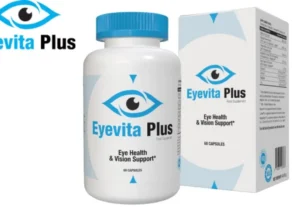
Some people prefer a supplement-based approach for these nutrients. In that context, formulations like Eyevita Plus, which combine lutein, zeaxanthin, and antioxidant compounds, are one option worth considering alongside dietary sources. You can find more details here: Eyevita Plus
Limiting Evening Screen Exposure
What it involves:
- Reducing screen use 1 to 2 hours before bed
What the evidence says:
Strong evidence supports improved sleep quality
Best for:
- People struggling with sleep disruption
Comparison Table
| Approach | Evidence Level | Best For | Notes |
|---|---|---|---|
| 20-20-20 Rule | Moderate | Screen workers | Easy and free |
| Screen Adjustments | Strong | Daily users | Immediate relief |
| Eye Hydration | Strong | Dry eyes | Often overlooked |
| Nutrition | Moderate | Long-term support | Works gradually |
| Reduced Night Use | Strong | Sleep issues | High impact |
What to Look for in a Supplement (If You Choose That Route)
If supplementation is part of your plan, understanding the ingredients matters more than the brand name.
Key Ingredients
- Lutein and Zeaxanthin
Studied for their role in macular health and filtering blue light - Vitamin A
Supports general vision function - Vitamin C and E
Antioxidants that may help reduce oxidative stress
Dosage Context
Clinical studies often use:
- Lutein: 10 to 20 mg daily
- Zeaxanthin: 2 to 4 mg daily
Quality Markers
Look for:
- GMP-certified manufacturing
- Third-party testing
- Transparent ingredient labeling
Red Flags
- Proprietary blends without dosage details
- Excessive claims about “repairing” or “reversing” damage
If you are exploring supplements, products like Eyevita Plus that combine these researched ingredients are commonly used in this category, though they should be viewed as complementary to diet and lifestyle rather than a primary solution.
You might also like to read about: Early Eye Warning 2026: Signs Your Vision Is Getting Worse: What It Means
Realistic Expectations
What stood out in the clinical literature was how much of this issue comes down to habits, not exposure alone.
You may notice:
- Reduced eye strain within days of changing screen habits
- Better sleep within 1 to 2 weeks of limiting evening blue light
- Nutritional support taking several weeks or longer
Results vary significantly depending on:
- Screen time
- Baseline eye health
- Sleep patterns
- Consistency
No supplement or strategy replaces:
- Regular breaks
- Proper lighting
- Healthy sleep routines

Who Should Be Cautious or Avoid These Approaches?
The following groups should consult a healthcare professional before making changes:
- Individuals with diagnosed eye conditions
- People using prescription eye medications
- Pregnant or nursing women
- Individuals with nutrient absorption disorders
If you experience:
- Persistent blurred vision
- Eye pain
- Sudden vision changes
You should seek professional evaluation.
When in doubt, speak with your doctor or pharmacist before starting any supplement or making significant changes to your health routine.
FAQ – Frequently Asked Questions
Is blue light from screens actually harmful to the eyes?
Current evidence suggests it contributes to eye strain rather than permanent damage. Long-term effects are still being studied, especially in humans.
What helps reduce digital eye strain the most?
Frequent breaks, proper lighting, and screen adjustments have the strongest support. These tend to work better than relying on a single intervention.
How long does it take to notice improvement?
Many people notice reduced discomfort within a few days of improving screen habits. Sleep-related benefits may take one to two weeks.
Are blue light glasses worth it?
Research findings are mixed. Some individuals report benefits, but clinical evidence does not consistently support strong effects.
When should I see a doctor about eye symptoms?
If symptoms are persistent, worsening, or include pain or vision loss, professional evaluation is important to rule out underlying conditions.
Affiliate Disclosure and Health Information Disclaimer: This article may contain affiliate links. If a purchase is made through these links, a commission may be earned at no additional cost to the reader. The content is provided for informational and educational purposes only and reflects independent research based on scientific literature, ingredient analysis, and publicly available health information. Supplements and wellness strategies discussed in this article should be viewed as supportive tools rather than substitutes for professional medical care. Readers with medical conditions or those taking medications should consult a qualified healthcare professional before making significant changes to their health routine.

Marcelo Carter is the founder and author behind Supplements Fit, where he shares supplement reviews, wellness insights, and healthy lifestyle content. Passionate about health and fitness, Marcelo spends his time researching ingredients, analyzing products, and creating beginner-friendly articles designed to help readers make smarter and more confident wellness decisions online.