Who Should Use Optiplax?
OptiPlax is a marine-based eye health supplement designed to support visual clarity, reduce eye fatigue, and protect against age-related vision decline. This review examines its ingredients, scientific evidence, user feedback, safety profile, and pricing to determine whether the formula offers realistic benefits for adults seeking daily eye support.
If your vision has been declining gradually and you have started noticing more blurriness, eye fatigue, or difficulty focusing after screen time, you are not alone. Age-related visual decline is one of the most common complaints among adults over 40, and the market for eye health supplements has grown substantially as a result.
OptiPlax is one product generating considerable interest. It positions itself as a marine-based eye support formula built around ingredients with published research behind them. Before making any purchase decision, it is worth taking a careful look at what those ingredients actually are, what the science says, and what real users have reported.
I am not a doctor or nutritionist. What I do is spend the time most people do not have, going through the peer-reviewed literature, reading verified user reviews across multiple platforms, and separating what the evidence supports from what is marketing language.
My going-in doubt was straightforward: do marine-sourced compounds like kelp, wakame, and astaxanthin actually deliver measurable eye benefits at the doses found in a daily capsule? This review covers the ingredients, the evidence, real user patterns, pricing, and who this product is realistically suited for.
What Is OptiPlax?
OptiPlax is an oral dietary supplement formulated to support vision clarity, reduce eye fatigue, and protect ocular tissues from oxidative stress. The manufacturer describes it as a marine-based formula targeting what they call “plaque” accumulation in the delicate tissues of the eye, a mechanism that is not a standard clinical term but appears to refer broadly to the buildup of cellular debris and oxidative damage over time.
According to the official product page and a secondary official site at optiplax-en.us, the product is manufactured in an FDA-registered, GMP-certified facility. The formula is described as non-GMO, free from synthetic fillers and preservatives, and contains no stimulants. These are positive quality signals, though independent third-party testing results (such as those published by Labdoor or NSF) are not publicly disclosed on the sales page.
The product is distributed through BuyGoods, a well-known supplement fulfillment platform, and is primarily marketed to adults over 40 experiencing gradual vision changes, screen-related eye strain, or early signs of age-related visual decline.
In the same category, OptiPlax competes with products like Sight Care, which relies more heavily on lutein and zeaxanthin, and iGenics, which uses a saffron-and-bilberry-forward formula. What distinguishes OptiPlax is its emphasis on marine algae compounds, particularly astaxanthin and Ecklonia cava, which are less common in mainstream eye health formulas.
How Does OptiPlax Work?
The core mechanism behind OptiPlax is antioxidant and anti-inflammatory protection delivered to the eye tissues through a blend of marine-sourced compounds.
The eyes are among the most metabolically active tissues in the human body and are continuously exposed to light-induced oxidative stress. Over time, this oxidative burden can damage retinal cells, impair tear film quality, and contribute to conditions like age-related macular degeneration and dry eye disease. Research published in the journal Oxidative Medicine and Cellular Longevity has documented the role of reactive oxygen species in driving age-related visual decline.
OptiPlax addresses this through ingredients with documented antioxidant activity, including carotenoids found in astaxanthin and chlorella, and phlorotannins present in Ecklonia cava and other brown algae. These compounds are understood to neutralize free radicals, modulate inflammatory pathways, and in some cases, support healthy microcirculation around the retina.
One manufacturer claim worth flagging is the reference to “eye plaque.” This is not a term used in clinical ophthalmology, and readers should understand it as a simplified way of describing cumulative oxidative and metabolic debris rather than a precisely defined medical phenomenon.
Ingredient Analysis: What the Research Shows
This is where the review requires the most intellectual care. The five main ingredients in OptiPlax are astaxanthin, kelp, wakame, chlorella, and Ecklonia cava. Here is what the research actually says about each.
Astaxanthin
Astaxanthin is a red carotenoid pigment found naturally in microalgae and marine life like salmon and shrimp. It belongs to the xanthophyll family and is recognized for its exceptionally high antioxidant capacity.
A 2020 review published in PubMed (NCBI PMC7281326) found that astaxanthin shows efficacy across a range of ocular conditions, including dry eye disease, cataracts, retinal diseases, and asthenopia (eye fatigue). The review notes that human and animal studies consistently highlight its ability to modulate metabolic pathways and restore cellular balance in ocular tissues. Importantly, the authors also note that further long-term clinical trials are needed to establish optimal dosing.
A more focused 2022 clinical study at Beijing Tongren Hospital followed 60 middle-aged and elderly patients with mild-to-moderate dry eye disease. Oral astaxanthin supplementation significantly improved key measures of dry eye symptoms compared to baseline, though the study used a single-group design rather than a randomized controlled format, which limits its strength as evidence.
The verdict: the research on astaxanthin for eye health is among the strongest available for a nutraceutical ingredient in this category. Evidence is consistent in direction, though optimal dosing in supplement form remains an open question since OptiPlax does not publicly disclose exact milligram amounts in its proprietary blend.
Kelp
Kelp is a type of large brown seaweed and one of the most concentrated natural sources of iodine. It also contains fucoxanthin, a carotenoid with antioxidant properties, and various sulfated polysaccharides like fucoidans that have shown anti-inflammatory activity in preclinical research.
According to the NIH Office of Dietary Supplements, iodine is essential for thyroid function, which regulates metabolism and cellular repair throughout the body, including in ocular tissues. Fucoxanthin in kelp has been studied in early-stage research for its antioxidant effects, though direct human trials specifically on eye health outcomes are limited.
The honest assessment here: kelp contributes micronutrients and antioxidant compounds that may support general cellular health, including in eye tissues. However, the direct ocular research is not as robust as the evidence for astaxanthin. There is also a relevant caution: kelp is exceptionally high in iodine, and the American Thyroid Association advises against consuming more than 500 mcg of iodine daily from supplements without medical supervision. Without dosage transparency from OptiPlax, this is worth noting for people with thyroid conditions.
Wakame
Wakame is a softer edible seaweed with a lower iodine content than kelp, and a nutrient profile that includes EPA and DHA (omega-3 fatty acids), folate, manganese, and vitamins A, C, and E. Long-chain omega-3 fatty acids, particularly DHA, play a documented role in retinal cell structure and function, according to research summarized at Nutrivore and supported by published nutritional science.
Wakame also contains fucoidan and other bioactive compounds with emerging evidence for anti-inflammatory activity. Its contribution to an eye health formula makes biological sense given its omega-3 and antioxidant content, though direct human clinical trials specifically on wakame and vision outcomes are limited. The research is early but the nutritional rationale is sound.
Chlorella
Chlorella is a single-celled green microalga and one of the richest plant-based sources of lutein, a carotenoid well-established in eye health research. Lutein and its companion zeaxanthin accumulate specifically in the macula and help form the macular pigment that protects photoreceptors from blue light and oxidative stress.
A study published in the Journal of Food Biochemistry demonstrated that an extract of Chlorella vulgaris protected retinal ganglion cells from oxidative stress-induced death both in vitro and in animal models, with researchers concluding it showed a clear neuroprotective effect on retinal degeneration.
A broader review published in Applied Sciences (MDPI, 2024) confirmed that lutein and zeaxanthin from chlorella accumulate in the retina and help reduce the risk of AMD progression by enhancing macular pigment density and improving visual function.
This is one of the better-supported ingredients in the formula. The mechanism is direct, the pathway is well-understood, and the evidence has translated from preclinical models into human observational data.
Ecklonia Cava
Ecklonia cava is a species of brown algae found primarily in East Asian waters and is rich in phlorotannins, a unique class of polyphenols not found in land plants. These compounds have been studied for antioxidant, anti-inflammatory, neuroprotective, and blood circulation-supporting properties.
According to Healthline’s evidence-based review, one 12-week human study demonstrated that doses up to 144 mg per day are safe with no side effects. The research available on Ecklonia cava is still largely preclinical (test tubes and animal models), and the review appropriately cautions that findings may not fully translate to human outcomes. However, a ScienceDirect overview of phlorotannin research confirmed consistent antioxidant activity and promising anti-inflammatory mechanisms across multiple studies.
In the context of eye health specifically, Ecklonia cava’s phlorotannins may help protect ocular tissues from oxidative damage and support healthy blood flow to the retina. The research here is promising but early. It is one of the more novel ingredients in this category, which means the evidence base is less established than for astaxanthin or lutein.
What Real Users Are Saying
The official OptiPlax page reports over 11,000 reviews, though these are hosted directly on the sales page and cannot be independently verified in their entirety. The product is distributed through BuyGoods, and user feedback also appears across secondary review sites and community discussions.
Across the feedback patterns reviewed from multiple sources, the positive themes tend to cluster around reduced eye strain and fatigue, particularly among people who spend extended hours in front of screens. A number of users in online threads mention noticing improved comfort during reading or computer work within three to six weeks of consistent use.
Recurring concerns in user feedback include the lack of dosage transparency for individual ingredients, which makes it difficult to assess whether the formula delivers clinically relevant amounts of each compound. Some users also report no noticeable change after one bottle, which is consistent with the general expectation that nutritional support for eye health tends to work gradually over months rather than weeks.
There is no meaningful pattern of serious side effects reported, which is consistent with the generally well-tolerated safety profile of the individual ingredients in the published literature.
It is important to note that the volume of testimonials on the sales page should be evaluated critically. Results described in marketing testimonials are not representative of average outcomes.
Key Benefits Based on Evidence and User Feedback
- Antioxidant protection for retinal cells: Clinical evidence, particularly for astaxanthin and chlorella-derived lutein, suggests these compounds help protect retinal tissue from oxidative stress and blue light damage.
- Support for eye fatigue and strain: Users commonly report reduced eye discomfort after screen use, which aligns with astaxanthin’s documented effects on visual fatigue in clinical trials.
- Anti-inflammatory support for ocular tissues: Research on Ecklonia cava phlorotannins and marine omega-3s from wakame indicates anti-inflammatory activity relevant to ocular surface health.
- Nutrient delivery to the retina: Chlorella’s lutein and zeaxanthin content is directly relevant to macular pigment density, a measurable marker of retinal protection.
- General eye tissue nourishment: Kelp and wakame contribute a broad micronutrient profile including iodine, omega-3 fatty acids, and trace minerals that support cellular health throughout the body.
Pros and Cons
| Pros | Cons |
|---|---|
| Marine-based formula with a scientifically logical ingredient rationale | Proprietary blend means individual ingredient dosages are not disclosed |
| Astaxanthin and chlorella have meaningful peer-reviewed support for eye health | “Eye plaque” mechanism is not a recognized clinical term |
| Manufactured in an FDA-registered, GMP-certified facility | No publicly available independent third-party testing certificates |
| Non-GMO, no stimulants, no synthetic fillers | Limited direct clinical trials on the full formula as a combined product |
| 60-day money-back guarantee reduces purchase risk | Requires return of all bottles (empty or not) for a refund |
| Free shipping on 6-bottle order | Effectiveness research on Ecklonia cava is still largely preclinical |
| One-time purchase, no auto-ship | Not sold on Amazon or retail pharmacies, limiting accessibility |
Who Is OptiPlax Best Suited For?
Adults over 40 experiencing gradual vision changes. This is the core demographic the research on marine antioxidants is most relevant to. Age-related oxidative stress accumulates over decades, and nutritional support at this stage has more biological rationale than earlier intervention.
Heavy screen users with chronic eye strain. People who work long hours with digital devices and experience frequent eye fatigue may find the antioxidant and anti-inflammatory profile of this formula relevant, based on the astaxanthin clinical data on screen-related visual fatigue.
Individuals looking to support long-term eye health preventively. Those with a family history of macular degeneration or who want to take a proactive approach to retinal health may benefit from the lutein and zeaxanthin contribution of chlorella, which has the strongest direct evidence in AMD prevention research.
People dissatisfied with conventional synthetic supplements. For individuals who prefer marine and plant-derived sources over isolated synthetic compounds, OptiPlax’s all-marine formula offers a nutritionally coherent alternative.
Who Should Avoid OptiPlax?
Pregnant or nursing women should avoid this product. Kelp and Ecklonia cava have not been adequately studied for safety during pregnancy, and kelp’s high iodine content presents a specific concern for fetal thyroid development.
People with thyroid conditions should exercise particular caution given the iodine content from kelp and wakame. Both hyperthyroidism and hypothyroidism can be affected by iodine intake, and since exact dosages are not disclosed, the cumulative iodine load from this supplement is unknown.
People taking blood-thinning medications should consult their doctor before use. Ecklonia cava contains fucoidans, which have documented anticoagulant properties in preclinical research.
Minors should not use adult dietary supplements unless directed by a pediatric healthcare provider.
Anyone with known seafood or algae allergies should approach this formula with caution given its entirely marine-derived ingredient base.
When in doubt, speak with your doctor or pharmacist before adding any supplement to your routine.
Realistic Expectations and Timeline
Based on the research on antioxidant carotenoids and the feedback patterns observed across user reviews, realistic expectations for a marine eye health supplement like OptiPlax involve gradual rather than dramatic changes.
Studies on lutein and zeaxanthin supplementation typically observe meaningful changes in macular pigment density over a period of three to six months. Astaxanthin studies on eye fatigue have shown improvements in some measures over four to eight weeks of consistent use.
Users in community discussions most commonly mention noticing reduced eye strain or improved comfort at screens within the first three to six weeks. Structural changes to retinal protection, if they occur, would be expected over a longer period.
Individual results will vary significantly based on diet, existing nutritional status, severity of visual concerns, consistency of use, and general lifestyle factors. No supplement replaces a comprehensive approach to eye health that includes regular ophthalmological check-ups, adequate sleep, and a diet rich in colorful vegetables.
How to Use OptiPlax
According to the official product page, the recommended dose is one capsule daily, taken with six to eight ounces of water or another liquid of your choice.
There are no specific timing restrictions mentioned by the manufacturer. Generally, fat-soluble compounds like astaxanthin and carotenoids are better absorbed when taken with a meal containing some dietary fat, which is a practical consideration worth applying here.
Common usage mistakes to avoid include expecting results after just a few days, skipping doses inconsistently, and combining this supplement with other high-iodine products without monitoring total intake.
Is OptiPlax Safe?
The individual ingredients in OptiPlax have generally favorable safety profiles in the published literature. Astaxanthin has been studied at doses up to 40 mg per day in humans without significant adverse effects. Chlorella is widely consumed as a food supplement with a long history of use. Ecklonia cava has demonstrated safety at 144 mg per day in a 12-week human study.
The main safety considerations are the iodine content from kelp and the potential anticoagulant activity of fucoidans in Ecklonia cava, both of which become more relevant in people with pre-existing conditions or those on relevant medications.
The product is manufactured in an FDA-registered, GMP-certified facility, which means it is produced under regulated conditions. However, the absence of disclosed independent third-party testing means consumers cannot verify label accuracy from publicly available documentation.
Consulting a healthcare professional before starting this or any supplement is always the appropriate step, particularly for individuals with pre-existing health conditions.
Pricing, Packages and Where to Buy
| Package | Bottles | Price Per Bottle | Total | Shipping |
|---|---|---|---|---|
| Basic | 2 bottles | $79 | $158 | $9.99 |
| Most Popular | 2 + 1 free (3 total) | $69 | $138 | Free |
| Best Value | 3 + 3 free (6 total) | $49 | $294 | Free |
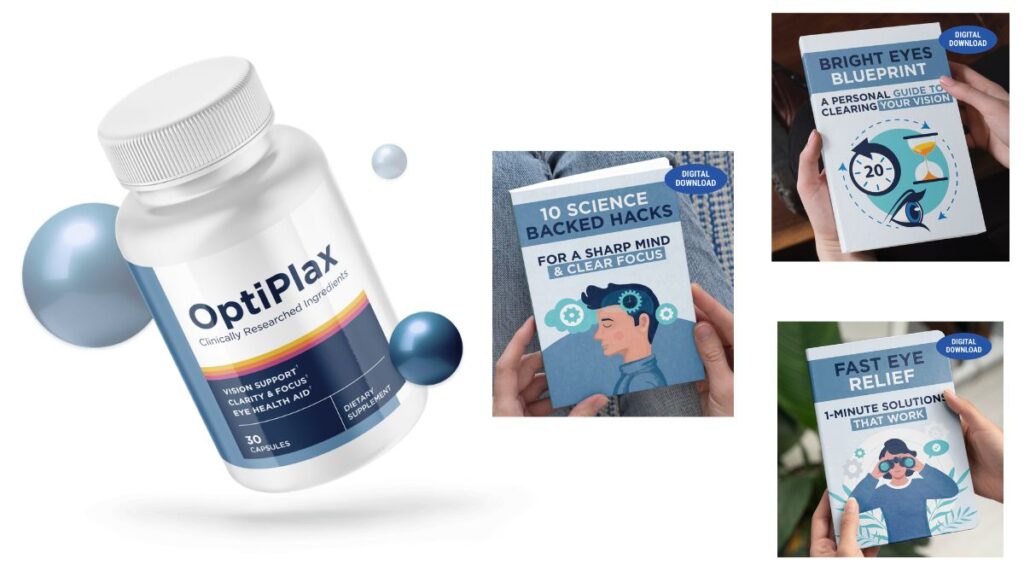
The six-bottle option also includes three digital bonus guides covering eye exercises, brain-focus techniques, and fast relief strategies for eye puffiness and fatigue.
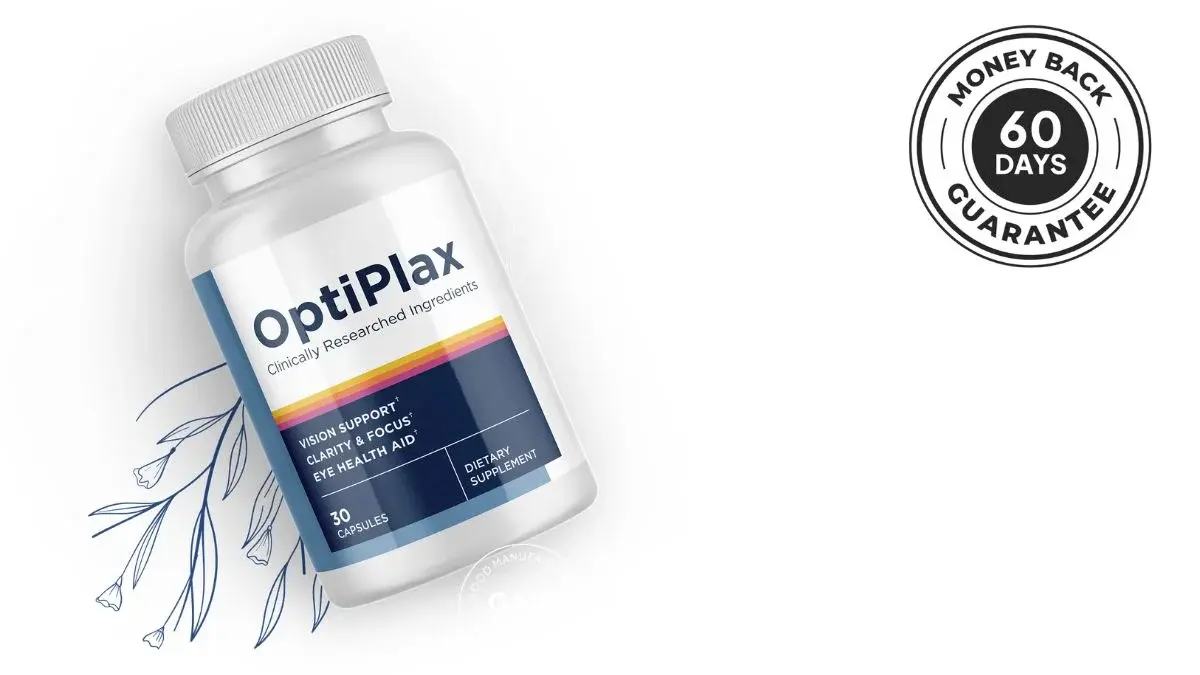
All orders are covered by a 60-day, 100% money-back guarantee. To receive a refund, you must return all bottles (whether empty or not) along with the packing slip. There are no hidden auto-ship charges. The price shown at checkout is the only price you pay.
Important purchasing note: Buying exclusively from the official source is the only way to protect your investment and guarantee access to the warranty; you can purchase the product through the manufacturer’s official link here on the Suplements FIT website.
If you are considering trying the formula, the three-bottle option offers a reasonable compromise between cost and the timeline needed to evaluate results meaningfully.
Final Verdict
OptiPlax is a marine-based eye health supplement with a logically constructed ingredient profile. Its best-supported ingredients, particularly astaxanthin and chlorella-derived lutein and zeaxanthin, have genuine peer-reviewed backing for protecting retinal cells, reducing oxidative stress in ocular tissues, and supporting visual comfort during screen-intensive activities.
The formula’s reliance on Ecklonia cava is interesting and worth watching as the research develops, but most of its supporting evidence remains preclinical at this stage.
What tempers a fully enthusiastic assessment is the proprietary blend structure. Without knowing exact ingredient dosages, it is impossible to confirm whether each compound is present at clinically relevant levels. This is a legitimate limitation that any rigorous review must acknowledge.
This product is best suited to adults over 40 experiencing gradual visual changes, heavy screen users dealing with chronic eye fatigue, and people looking to support long-term retinal health preventively. It is unlikely to produce dramatic or rapid changes, and anyone expecting that will be disappointed.
People with thyroid conditions, those on blood thinners, pregnant or nursing women, and individuals with seafood or algae allergies should avoid this formula or consult their physician before use.
The 60-day guarantee makes trying the product relatively low-risk for those who meet the appropriate user profile. If the research on marine antioxidants resonates with your specific situation, it may be worth evaluating for a full two-to-three month period.
Approach it as nutritional support, not a treatment, and set expectations accordingly.
All content published here is based on independent research and analysis. It is not intended as medical advice.
Frequently Asked Questions
Does OptiPlax have clinical evidence supporting its effectiveness?
The individual ingredients in OptiPlax, particularly astaxanthin and chlorella, have peer-reviewed research supporting their role in eye health. Astaxanthin has been studied in clinical settings for dry eye disease and visual fatigue, showing meaningful results in several trials. However, the formula as a complete product has not undergone published randomized controlled trials, which is common for dietary supplements in this category. Results may vary, and the evidence should be interpreted as supportive rather than conclusive.
Is OptiPlax safe to take daily?
Based on the known safety profiles of its ingredients, OptiPlax is generally considered safe for healthy adults at the recommended dose of one capsule per day. The main areas of caution involve its marine-derived iodine content from kelp, which may affect individuals with thyroid conditions, and the potential anticoagulant activity of fucoidans in Ecklonia cava, which is relevant for people on blood-thinning medications. Always consult your healthcare provider before starting any new supplement.
Where is the safest place to buy OptiPlax?
OptiPlax should only be purchased directly from the official website through the official links here on the Suplements FIT website. Purchasing from third-party resellers or unauthorized marketplaces carries the risk of receiving counterfeit or improperly stored products, and purchases made outside the official channel are not covered by the 60-day money-back guarantee.
What is the return policy for OptiPlax?
OptiPlax offers a 60-day, 100% money-back guarantee. If you are not satisfied with the product after trying it, you can request a full refund by returning all bottles (empty or not) along with the original packing slip. There are no hidden subscriptions or auto-ship clauses. Order support is handled through BuyGoods, and you can look up your order at buygoods.com/orderlookup.
How does OptiPlax compare to alternatives like Sight Care or iGenics?
All three products target age-related vision support, but they differ in their ingredient approach. Sight Care relies primarily on bilberry extract and lutein in a more conventional antioxidant formula. iGenics emphasizes saffron and bilberry, with saffron having emerging evidence specifically for macular degeneration. OptiPlax differentiates itself through its marine-algae-based approach, which brings astaxanthin and Ecklonia cava phlorotannins into the mix. OptiPlax’s formula is more novel, which means some ingredients have less human clinical trial data but also brings compounds not commonly found in competing products.
Affiliate Disclosure and Research Disclaimer: This article may contain affiliate links. If a purchase is made through these links, a commission may be earned at no additional cost to the reader. The content is provided for educational and informational purposes only and reflects independent research based on publicly available studies, ingredient analysis, manufacturer information, and aggregated consumer feedback. Dietary supplements are regulated differently from prescription medications in many countries, including the United States under DSHEA guidelines. Readers should consult a qualified healthcare professional before starting any supplement, especially if pregnant, nursing, taking medication, or managing a medical condition. Individual experiences and results may vary.
This article discusses a product positioned within a sensitive health category. The information presented here should not replace professional medical advice, diagnosis, or treatment. Supplements should be viewed as supportive wellness products rather than substitutes for clinically established medical care.

Marcelo Carter is the founder and author behind Supplements Fit, where he shares supplement reviews, wellness insights, and healthy lifestyle content. Passionate about health and fitness, Marcelo spends his time researching ingredients, analyzing products, and creating beginner-friendly articles designed to help readers make smarter and more confident wellness decisions online.