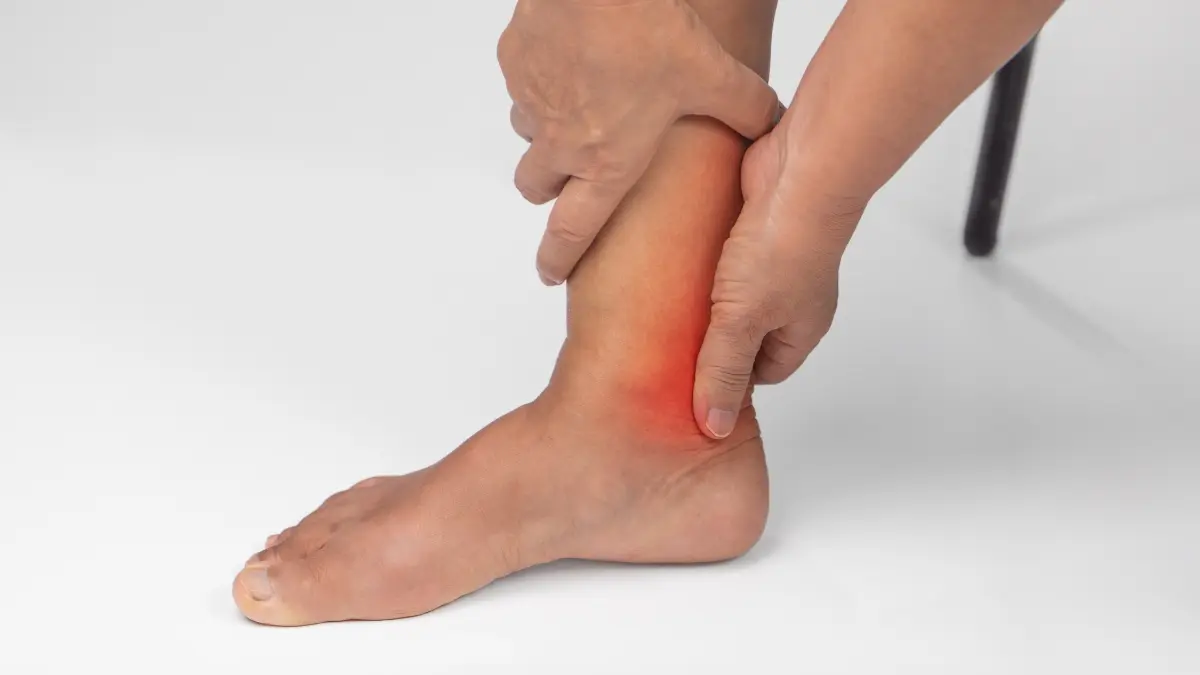
What Causes Neuropathy in Feet is damage to the peripheral nerves that carry sensation and movement signals, most commonly from long-term high blood sugar in diabetes, one of the main causes of diabetic neuropathy in feet symptoms, but also from physical injury, infections, autoimmune disorders, toxins, certain medications, and nutritional deficiencies. Knowing these common causes helps you and your clinician focus on the right tests and treatments faster, so you can start feeling better sooner.
Neuropathy in the feet is usually caused by nerve damage from diabetes, injuries, infections, or nutritional deficiencies. Common symptoms include tingling, numbness, burning pain, and weakness. Identifying the underlying cause early allows for better treatment, helping reduce discomfort and prevent the condition from worsening over time.
Peripheral nerves act like communication lines between your spinal cord and the skin, muscles, and joints in your feet. When they are injured, their signals can become weak, distorted, or lost. This often leads to symptoms you may already recognize, such as numbness, tingling, and burning pain or sharp, electric shock-like sensations — both are common early signs of foot neuropathy, or a heavy, clumsy feeling when you walk.
Symptoms often start subtly and then begin to interfere with sleep, work, and confidence. This uncertainty can lead to anxiety and reduced activity, which may worsen the condition. Understanding how these nerves work and what symptoms to watch for gives you real control, helping you notice changes earlier and seek timely care.
In the sections that follow, you’ll learn what foot neuropathy is and how peripheral nerves work, show you how to recognize the most common neuropathy symptoms in the feet, and walk through the key causes so you can pinpoint likely triggers. You’ll also find practical relief strategies, including medical options, targeted tests, lifestyle changes, and simple at-home measures to reduce pain and improve function. Read on and you will leave with clear next steps to manage symptoms and protect your feet for the long term.
What foot neuropathy is and how peripheral nerves work
Foot neuropathy refers to damage or dysfunction of the peripheral nerves that carry sensation, motor commands, and autonomic signals to the feet. Peripheral nerves act like electrical wiring. They send information from the skin, muscles, and organs to the spinal cord and brain, and return signals to control movement and blood flow. Understanding what causes symptoms gives you power to seek the right care and improve nerve health naturally.
Types of neuropathy: sensory, motor, autonomic
Sensory neuropathy affects the nerves that tell you about touch, temperature, and pain. Symptoms include numbness, tingling, burning, or a loss of protective sensation that raises the risk of unnoticed injuries.
Motor neuropathy weakens muscles, causing foot drop, balance problems, or difficulty with fine movements. Autonomic neuropathy alters automatic functions like sweating, skin health, and blood flow, which can lead to dry skin, ulcers, and poor wound healing.
| Type | Common Symptoms | Typical Causes |
|---|---|---|
| Sensory | Numbness, tingling, burning | Diabetes, toxins, vitamin deficiencies |
| Motor | Weakness, foot drop, cramps | Compression, autoimmune, inherited disorders |
| Autonomic | Dry skin, altered sweating, poor circulation | Diabetes, infections, neuropathies with metabolic causes |
How nerve injury and degeneration develop
Nerve injury often begins with metabolic stress, reduced blood flow, or physical compression that interferes with normal nerve function. In diabetes, high blood sugar damages small blood vessels and nerve fibers, gradually reducing their ability to transmit signals accurately.
When an axon is injured, a predictable process called degeneration can follow. The distal portion of the nerve breaks down, inflammation clears debris, and recovery depends on the extent of damage and the local environment. Chronic exposure to toxins, infections, or immune attacks can prevent proper healing and lead to progressive nerve loss.
Understanding the underlying mechanism helps clinicians choose the right tests and treatments to slow damage, relieve symptoms, and prevent complications. Next, we will review how clinicians evaluate and diagnose foot neuropathy and which tests you may need.
Key causes of neuropathy in the feet and what causes neuropathy in feet most often
Diabetes and other metabolic disorders
High blood sugar from diabetes is the single most common driver of peripheral nerve damage and a major factor behind foot neuropathy symptoms and causes, especially in the feet. Over time elevated glucose damages nerve fibers and the small blood vessels that nourish them, producing numbness, burning, and weakness.
A clear understanding of the condition helps prioritize tests like HbA1c, fasting glucose, and screening foot exams to catch problems early.
Nerve compression, trauma, and entrapment (e.g., tarsal tunnel)
Mechanical injury or chronic pressure on a nerve can produce focal neuropathy, often linked to burning sensation in feet causes. Conditions such as tarsal tunnel syndrome, fractures, or repetitive stress compress nerves and create localized pain, tingling, or motor deficits.
Diagnosis often relies on history, physical exam, and electrodiagnostic testing, because treating the mechanical cause may reverse symptoms if identified early.
Autoimmune and inflammatory conditions (e.g., CIDP, vasculitis)
Autoimmune attacks on peripheral nerves cause progressive sensory and motor loss, sometimes fluctuating and sometimes rapidly advancing. Chronic inflammatory demyelinating polyneuropathy and vasculitis require timely immunomodulatory treatment to limit permanent damage.
Infections, toxins, and medications (including chemotherapy)
Certain infections like Lyme disease, HIV, or hepatitis can inflame nerves. Exposure to industrial toxins or medications, especially specific chemotherapies, can also trigger neuropathy. Identifying a toxic or infectious cause changes treatment and often halts progression.
Nutritional deficiencies and alcohol-related neuropathy
Deficiencies in B vitamins, especially B12, and prolonged heavy alcohol use cause metabolic and direct toxic injury to nerves. Nutritional correction and alcohol cessation are essential steps to stop worsening and allow partial recovery.
Inherited and hereditary neuropathies
Genetic disorders such as Charcot-Marie-Tooth disease produce lifelong, often symmetric neuropathies that start in the feet. Family history and genetic testing guide prognosis and management choices.
| Cause | Typical features | Key tests |
|---|---|---|
| Diabetes | Distal symmetric loss, burning | HbA1c, foot exam, nerve conduction |
| Compression | Localized pain, focal deficits | EMG, imaging |
| Autoimmune | Progressive weakness, sensory loss | CSF, antibodies, EMG |
Understanding these pathways makes it easier to target treatment and monitoring. It also helps you and your clinician focus on the most relevant next steps when asking What Causes Neuropathy in Feet, so you can move quickly toward relief and prevention of complications.
Next, we will review how neuropathy in the feet is evaluated step by step, including the most useful exams and tests to confirm the diagnosis.
How doctors diagnose foot neuropathy and detect early signs of neuropathy in feet
Medical history and focused neurological foot exam
Doctors begin with a detailed medical history to identify what causes neuropathy in feet to identify risk factors, exposures, and symptom patterns. They will ask about blood sugar control, prior injuries, medication use, alcohol, and family history to narrow possibilities.
A focused neurological foot exam looks for loss of sensation, pinprick and vibration deficits, muscle weakness, reflex changes, and gait abnormalities. This hands-on assessment often suggests whether the problem is small-fiber, large-fiber, or mixed, and it helps point toward What Causes Neuropathy in Feet like diabetes or nerve compression.
Nerve conduction studies and electromyography (EMG)
Nerve conduction studies measure how fast and how well electrical signals travel along peripheral nerves. Reduced speed or amplitude localizes the affected nerves and quantifies severity, making it easier to track progression and recovery.
Electromyography, or EMG, evaluates muscle electrical activity and can detect denervation from longstanding nerve injury. Together, NCS and EMG distinguish neuropathy from muscle disorders and guide targeted treatment plans.
Laboratory tests and metabolic screening
Blood tests screen for common and treatable causes, including blood glucose and A1C for diabetes, vitamin B12, thyroid function, kidney and liver tests, and relevant infectious or autoimmune markers. Tests such as SPEP may uncover monoclonal gammopathy linked to neuropathy.
Comprehensive metabolic screening clarifies underlying contributors so therapy can address root causes rather than just symptoms, and it helps answer questions about What Causes Neuropathy in Feet when multiple risks are present.
Imaging and specialized tests (skin biopsy, autonomic testing)
Imaging like MRI or ultrasound evaluates structural causes, for example nerve entrapment or spine disease. These studies are useful when symptoms suggest focal compression rather than a generalized peripheral neuropathy.
Specialized tests include skin biopsy to measure nerve fiber density for small-fiber neuropathy, and autonomic testing to assess blood pressure, sweating, and heart rate control. These tests guide prognosis and specific symptom-directed care.
| Test | Purpose | What it shows |
|---|---|---|
| Nerve conduction/EMG | Assess nerve and muscle function | Large-fiber damage, localization, severity |
| Blood tests | Identify metabolic and toxic causes | Diabetes, B12 deficiency, autoimmune markers |
| Skin biopsy | Detect small-fiber neuropathy | Reduced intraepidermal nerve fiber density |
| Autonomic testing | Evaluate autonomic involvement | Abnormal sweating, heart rate, blood pressure control |
With a clear diagnostic picture, your care team can create a focused treatment plan and discuss prevention strategies before moving on to available therapies and lifestyle changes.
You may also be interested in reading about: 7 Early Signs of Nerve Damage and Proven Ways to Protect Your Nerves

How neuropathy alters foot function and increases risk over time
Impact on gait, balance, and fall risk
When nerves that carry position and movement signals are damaged, your brain loses reliable feedback about foot position and force. That alters gait patterns, slows walking speed, and makes balance corrections delayed and awkward, increasing the chance of trips and falls.
Understanding What Causes Neuropathy in Feet helps you and your clinician target interventions that improve stability, such as balance training, assistive devices, and targeted footwear.
Loss of protective sensation and risk of ulcers and infections
Loss of protective sensation means small cuts, pressure points, and burns go unnoticed until they become serious. Without pain to warn you, repetitive pressure causes calluses and ulceration, and the skin can break down into infections that are hard to treat.
| Feature | Normal Foot | Neuropathic Foot |
|---|---|---|
| Sensation | Intact pain and pressure detection | Diminished or absent protective sensation |
| Injury awareness | Immediate warning and response | Injuries often unnoticed until advanced |
| Ulcer risk | Low with proper care | High without inspection and pressure relief |
Biomechanical changes and secondary deformities (e.g., claw toes)
Motor nerve damage weakens small intrinsic foot muscles, allowing stronger muscles to pull joints into abnormal positions. Over time this causes deformities like claw toes, hammertoes, and high arches that change pressure zones and create hotspots for ulcers.
Addressing these functional changes promptly lowers complication risk and preserves mobility, so read on to learn practical evaluation and care strategies.
Treatment strategies: how to treat neuropathy in feet naturally and medically
Addressing underlying causes: glycemic and metabolic control
Start with the root if you want to reverse neuropathy in feet naturally. Tight glycemic control, management of metabolic syndrome, and correction of vitamin deficiencies reduce nerve injury and slow progression. Understanding What Causes Neuropathy in Feet helps prioritize which labs and lifestyle changes matter most for long term outcomes.
For people with diabetes, aim for individualized A1C targets, blood pressure control, and smoking cessation. Small wins in diet, weight loss, and consistent follow up can translate into meaningful symptom reduction and fewer complications.
Medications for neuropathic pain and symptom relief
Medication choices target pain pathways and abnormal nerve firing, offering natural relief for neuropathy pain when combined with lifestyle strategies. First line options commonly include certain anticonvulsants, antidepressants with neuropathic indications, and topical agents. Careful titration reduces side effects and improves adherence.
When clinicians consider options they also look at comorbidities, potential interactions, and patient preference, because treating the person matters as much as treating the pain, and asking What Causes Neuropathy in Feet informs safer selection.
Physical therapy, balance training, and custom orthotics
Rehabilitation builds strength and restores proprioception. Balance training and gait retraining reduce fall risk and improve mobility. Custom orthotics and footwear redistribute pressure and prevent ulcers in patients with sensory loss.
Therapists teach home exercises and functional strategies that empower patients, creating measurable improvements in confidence and activity levels.
Interventional procedures and surgical options for compression or deformity
Targeted injections, nerve blocks, and decompression surgery can be appropriate when entrapment or deformity drives symptoms. These interventions aim to relieve focal compression and restore nerve function when conservative care is insufficient.
| Treatment | When used | Expected benefit |
|---|---|---|
| Nerve decompression surgery | Entrapment with focal findings | Pain relief, improved sensation |
| Targeted steroid injections | Inflammatory entrapment | Short to medium term pain reduction |
| Neuromodulation | Refractory neuropathic pain | Reduced pain, improved function |
Topical treatments, complementary therapies, and emerging approaches
Topical capsaicin, lidocaine patches, and transcutaneous electrical nerve stimulation offer non systemic options with favorable safety profiles. Complementary therapies like acupuncture and mindfulness can enhance coping and reduce perceived pain.
Research into regenerative medicine, novel neuromodulation, and targeted small molecules is growing. Discuss experimental options with your clinician to weigh risks and benefits.
With this range of strategies you can work with your care team to build a stepwise plan that matches cause, severity, and goals, and in the next section we will review monitoring and prevention to keep progress on track.
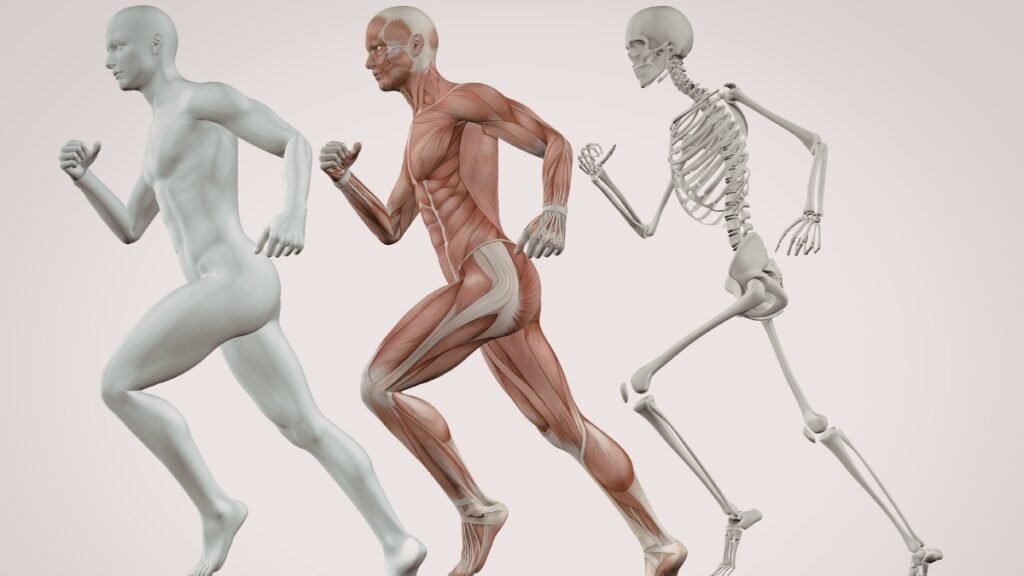
Living with foot neuropathy: pain management, support, and how to improve nerve health naturally
Living with foot neuropathy can feel overwhelming, but active management makes a real difference. Small daily habits reduce pain, protect skin and tissue, and keep you moving with more confidence. This section outlines practical steps, warning signs that need fast attention, and what to expect long term.
Daily self-care strategies and adaptive tools
Start with a simple routine: inspect your feet daily, keep skin moisturized but not between toes, and trim nails straight across. Comfortable, well-fitting shoes and socks that wick moisture lower risk of injury and infection. Regular gentle exercise improves circulation, helps reduce neuropathic pain, and supports how to improve nerve health naturally over time.
Use assistive devices when needed, such as rocker-bottom shoes, cushioned insoles, and electric heating pads on low settings. Custom orthotics help redistribute pressure and prevent ulcers. Understanding What Causes Neuropathy in Feet helps prioritize blood sugar control, vitamin replacement, or medication adjustments that support these self-care efforts.
| Tool | Purpose | When to Use |
|---|---|---|
| Cushioned insoles | Reduce pressure points | Daily walking or standing |
| Electric foot massager | Improve circulation and ease discomfort | Short, supervised sessions |
| Protective footwear | Prevent cuts and ulcers | All day for high-risk feet |
When to seek urgent or specialist care (red flags)
Seek immediate care for open sores, signs of infection such as redness, warmth, swelling, or foul odor, or any sudden increase in pain. Rapid changes in sensation, weakness, or foot discoloration require urgent evaluation to prevent complications.
Regularly consult a podiatrist or neurologist if wounds won’t heal, you have repeated falls, or nerve pain disrupts sleep despite basic measures. Ask your clinician how What Causes Neuropathy in Feet may guide tests like nerve studies or imaging to find treatable causes.
Long-term outlook, factors affecting recovery, and support resources
Prognosis varies. Many people reduce symptoms with glycemic control, physical therapy, medications, and protective care. Recovery is likelier when the underlying cause is identified early, such as correcting a vitamin deficiency or stopping an offending medication.
Social support, disease education, and referral to diabetes educators or pain clinics improve outcomes. Local support groups and reputable online communities offer practical tips and emotional encouragement to stay consistent with care.
Keep records of symptoms, treatments, and specialists, and plan regular follow-ups to adapt your plan. For guidance on next steps and specific treatments, continue to the next section to explore medication and therapy options.
Conclusion
I’ve walked through the basics of foot neuropathy and reflected on how peripheral nerves work, and I recognized the common symptoms that told me something was off. I learned the main causes that often apply, such as diabetes, nerve compression, and nutrient deficiencies. I also saw how proper diagnosis and testing can clarify what’s happening. I also understood how neuropathy changes foot function, raising the risk of falls, injuries, and chronic pain, and that early attention can make a real difference.
To turn understanding into action, I take practical steps I can control. I track symptoms daily, noting numbness, tingling, and pain, and I bring that record to my healthcare provider so tests can focus on the likely causes. Understanding What Causes Neuropathy in Feet helps me prioritize testing for blood sugar and vitamin levels, and it guides conversations about nerve conduction studies.
I focus on lifestyle changes that protect nerves and support natural relief for neuropathy pain, I improve blood sugar control when needed, I consider medications or topical treatments for symptom relief, and I add gentle exercises and balance training to reduce fall risk. I also choose supportive shoes and inspect my feet regularly, because small problems can become big ones if I ignore them.
Looking back, I realize that knowledge brings confidence and a clearer path forward. I don’t have to accept numbness or pain as normal. My experience shows that listening to symptoms, getting a focused diagnosis, and taking steady steps to protect and treat my feet can preserve mobility and confidence. I remain mindful and hopeful as I manage neuropathy, appreciating that careful attention and consistent habits often lead to meaningful improvement.
FAQ
What causes neuropathy in the feet most commonly?
The most common cause is Diabetic neuropathy, where prolonged elevated glucose damages nerves and small blood vessels. Other frequent causes include injuries, infections, autoimmune disorders, toxins, medications, and nutritional deficiencies.
What are the first signs of neuropathy in the feet?
Early symptoms usually include tingling, mild numbness, burning sensations, or a “pins and needles” feeling. These signs often start gradually and may worsen over time if the underlying cause is not addressed.
Can neuropathy in the feet be reversed naturally?
In some cases, yes. Neuropathy caused by deficiencies such as Vitamin B12 deficiency or lifestyle factors can improve with proper treatment. However, chronic conditions like Type 2 Diabetes usually require ongoing management rather than full reversal.
Is neuropathy in the feet dangerous?
It can be. Loss of sensation increases the risk of unnoticed injuries, infections, and ulcers. Over time, this can lead to serious complications if not properly managed, especially in people with diabetes.
How do doctors diagnose foot neuropathy?
Doctors typically use a combination of medical history, physical examination, blood tests, and nerve studies. Tests like nerve conduction studies and EMG help confirm nerve damage and identify its severity and cause.
What conditions besides diabetes can cause neuropathy?
Other causes include autoimmune diseases like Chronic inflammatory demyelinating polyneuropathy, infections such as Lyme disease, toxin exposure, alcohol use, and inherited disorders like Charcot-Marie-Tooth disease.
What helps relieve neuropathy symptoms in the feet?
Treatment focuses on the underlying cause and symptom relief. Options include medications for nerve pain, physical therapy, proper footwear, and lifestyle changes such as improved blood sugar control and nutrition.
When should I see a doctor for neuropathy symptoms?
You should seek medical care if symptoms persist, worsen, or include weakness, balance problems, or wounds that do not heal. Sudden changes or severe pain should be evaluated urgently.
Can lifestyle changes really improve neuropathy?
Yes. Managing blood sugar, improving diet, exercising regularly, and avoiding alcohol and smoking can significantly slow progression and improve symptoms in many cases.
Does neuropathy get worse over time?
It can progress if the underlying cause is not treated. Early diagnosis and consistent management are key to slowing or stopping nerve damage and preserving function.
Affiliate Disclosure and Health Information Disclaimer: This article may contain affiliate links. If a purchase is made through these links, a commission may be earned at no additional cost to the reader. The content is provided for informational and educational purposes only and reflects independent research based on scientific literature, ingredient analysis, and publicly available health information. Supplements and wellness strategies discussed in this article should be viewed as supportive tools rather than substitutes for professional medical care. Readers with medical conditions or those taking medications should consult a qualified healthcare professional before making significant changes to their health routine.

Marcelo Carter is the founder and author behind Supplements Fit, where he shares supplement reviews, wellness insights, and healthy lifestyle content. Passionate about health and fitness, Marcelo spends his time researching ingredients, analyzing products, and creating beginner-friendly articles designed to help readers make smarter and more confident wellness decisions online.