What Is Insulin Resistance and How to Reverse It Naturally is a metabolic state where cells stop responding properly to insulin, causing high blood sugar and rising insulin levels, often linked to early insulin resistance symptoms, and in many cases it can be improved through targeted lifestyle changes that naturally support insulin sensitivity.
Insulin resistance happens when your cells stop responding properly to insulin, leading to high blood sugar levels. It is commonly caused by excess body fat, poor diet, inactivity, stress, and lack of sleep. The good news is that it can often be improved naturally through lifestyle changes that restore insulin sensitivity.
Insulin is the hormone that signals your liver, muscle, and fat cells to absorb glucose from the bloodstream, helping maintain stable energy levels. When insulin signaling works, glucose moves into cells for fuel or storage, and blood sugar stays steady. Insulin resistance occurs when these signals become weaker. The pancreas compensates by producing more insulin, which over time leads to elevated insulin, high blood sugar, and increased risk of type 2 diabetes and heart disease.
Major drivers include excess abdominal fat, a diet high in refined carbs and sugars, physical inactivity, poor sleep, chronic stress, and chronic inflammation. At a biological level, inflammation and excess free fatty acids interfere with insulin receptor signaling, fat accumulation in the liver and muscles can block glucose uptake, and disruptions to cellular energy systems and the gut microbiome make cells less responsive to insulin.
In this article you will get clear, simple explanations of how insulin controls blood sugar, an easy-to-understand picture of what insulin resistance really is, and a breakdown of the main causes and biological mechanisms behind it. Then you will find practical, evidence-based strategies to lower blood sugar naturally and regain insulin sensitivity, including what to eat, how to move, sleep and stress tactics, targeted habits and when to test progress. By the end, you’ll have a realistic plan you can start this week to take back control of your blood sugar and overall health.
How insulin controls blood sugar and helps stabilize blood sugar levels naturally: a clear and simple explanation
Insulin is the hormone that tells your liver, muscle, and fat cells to take up glucose from the blood so you have steady energy. After a meal, the pancreas senses rising blood sugar and releases insulin into the bloodstream. Insulin acts like a key, helping unlock cell receptors so glucose can move from the blood into cells for immediate use or storage.
In the liver, insulin directs excess glucose to be stored as glycogen and blocks the liver from making more glucose. In muscle, insulin boosts glucose uptake to fuel activity and to replenish glycogen. In fat tissue, insulin helps store energy and prevents fat breakdown, so tissues shift from releasing sugar to storing it. Together these actions lower blood sugar back to a safe range.
When cells respond properly, blood sugar stays stable and insulin levels remain balanced. But when responsiveness falls, the body needs more insulin to get the same effect, and that rising insulin drives problems over time. These are the mechanisms that explain Why insulin resistance happens and why targeted diet, movement, sleep, and stress strategies matter in programs such as What Is Insulin Resistance and How to Reverse It Naturally.
| State | Insulin effect | Result |
|---|---|---|
| Fed | Increases glucose uptake and glycogen storage | Blood sugar falls to normal |
| Fasting | Low insulin allows glycogen breakdown and glucose release | Maintains steady glucose for organs |
Understanding these basics makes the rest actionable, and next we will look at specific lifestyle steps you can start today to restore insulin sensitivity.

Major causes and biological mechanisms behind insulin resistance
Understanding why insulin stops working efficiently helps you take targeted action. This section breaks down the main biological drivers so you can connect lifestyle choices to physiology and feel empowered to change outcomes.
Role of visceral fat and chronic inflammation
Deep belly fat is not just inert storage; it actively secretes pro-inflammatory molecules that interfere with insulin action. Visceral adipose tissue releases cytokines like TNF-alpha and IL-6, which promote systemic inflammation and impair glucose uptake.
The chronic inflammatory state raises free fatty acids that accumulate inside organs, creating cellular stress and oxidative damage. This environment undermines insulin signaling and fuels a cycle that makes weight loss harder and metabolic health worse.
| Fat depot | Primary impact | Insulin-related effect |
|---|---|---|
| Visceral fat | High cytokine output | Decreases insulin sensitivity |
| Subcutaneous fat | Energy storage, less inflammatory | Less direct impact on resistance |
Impaired insulin signaling in muscle and liver
The muscles and liver play a central role in blood sugar control. When insulin receptors and downstream molecules like IRS and Akt become desensitized, glucose transporters fail to move glucose into muscle cells, and the liver continues producing glucose despite high insulin.
These signaling defects are driven by inflammation, lipid intermediates, and mitochondrial dysfunction, making it harder to naturally improve insulin sensitivity.Improving diet, increasing activity, and lowering ectopic fat can restore signaling pathways, a core idea in What Is Insulin Resistance and How to Reverse It Naturally when you apply biological tactics to lifestyle changes.
Genetics, age, and hormonal influences
Your genes set a baseline risk, while aging and changing hormone profiles raise vulnerability. Declining muscle mass, shifts in sex hormones, and less efficient cellular repair with age all reduce insulin sensitivity.
Family history or certain gene variants modulate how easily lifestyle factors trigger resistance. Still, even with genetic risk, strategic interventions can shift outcomes and help reverse insulin resistance naturally, which is exactly the promise of What Is Insulin Resistance and How to Reverse It Naturally as you modify behavior and environment.
Next, we will explore practical lifestyle strategies that target these mechanisms and help restore insulin sensitivity.
How insulin resistance is diagnosed and how to detect insulin resistance symptoms early: tests, numbers, and what they mean
Accurate diagnosis is the first step toward reversing the trend and reclaiming metabolic health. Clinicians rely on a mix of blood tests and dynamic measures to detect early changes, because fasting glucose can be normal while insulin is rising. These numbers are the baseline you need to take action and learn What Is Insulin Resistance and How to Reverse It Naturally.
Fasting glucose and A1c, interpretation and limits
Fasting plasma glucose and hemoglobin A1c are the most common screening tools. Fasting glucose below 100 mg/dL is considered normal, 100 to 125 mg/dL indicates impaired fasting glucose, and 126 mg/dL or higher suggests diabetes. A1c under 5.7% is normal, 5.7–6.4% indicates prediabetes, and 6.5% or above indicates diabetes.
Both tests have limits. A1c reflects average glucose over months and can miss early insulin resistance. Factors such as anemia, hemoglobin variants, and recent changes in diet or medications can alter A1c. Use these tests as part of a broader assessment, not the sole verdict.
Fasting insulin and HOMA-IR for insulin sensitivity
Fasting insulin is a direct window into how hard the pancreas is working. Typical fasting insulin under 10 µU/mL suggests good sensitivity, while higher values point to compensation. HOMA-IR is calculated as (fasting insulin µU/mL × fasting glucose mg/dL) ÷ 405, with values above about 2 often indicating insulin resistance, though cutoffs vary by lab and population.
Measuring fasting insulin lets you detect insulin resistance before glucose rises and target interventions earlier. Pairing these results with clinical context empowers change and supports your plan for What Is Insulin Resistance and How to Reverse It Naturally.
Oral glucose tolerance test and continuous glucose monitoring
The OGTT challenges the system with 75 grams of glucose and tracks the 2-hour value. A 2-hour glucose under 140 mg/dL is normal, 140–199 mg/dL indicates impaired glucose tolerance, and 200 mg/dL or higher diagnoses diabetes. OGTT reveals postmeal handling that fasting tests can miss.
Continuous glucose monitoring gives a real-world look at daily patterns, showing postprandial spikes, variability, and time-in-range. For motivated people, CGM data is actionable, guiding meal timing, macronutrient choices, and exercise to lower peaks and restore sensitivity.
| Test | Key numbers | Strengths | Limitations |
|---|---|---|---|
| Fasting glucose | <100 normal, 100–125 prediabetes, ≥126 diabetes | Widely available, low cost | Can be normal early in insulin resistance |
| A1c | <5.7% normal, 5.7–6.4% prediabetes, ≥6.5% diabetes | Shows long-term average glucose | Affected by hemoglobin issues, slow to change |
| Fasting insulin / HOMA-IR | Insulin >10 µU/mL may be high, HOMA-IR >2 suggests resistance | Detects early insulin resistance | Less standardized, not always available |
| OGTT | 2-hour <140 normal, 140–199 impaired, ≥200 diabetes | Reveals postprandial dysfunction | Time consuming, requires prep |
| CGM | Time-in-range and peak values vary by goal | Real-life data, actionable | Cost, requires interpretation |
Interpretation always pairs numbers with symptoms, family history, and body composition. Use tests as a roadmap to guide diet, movement, sleep, and stress steps that restore metabolic health. Next, we’ll review the practical lifestyle strategies that reverse insulin resistance.
You might also want to read about this: 7 Best Foods to Lower Blood Sugar Quickly – Proven & Powerful Tips
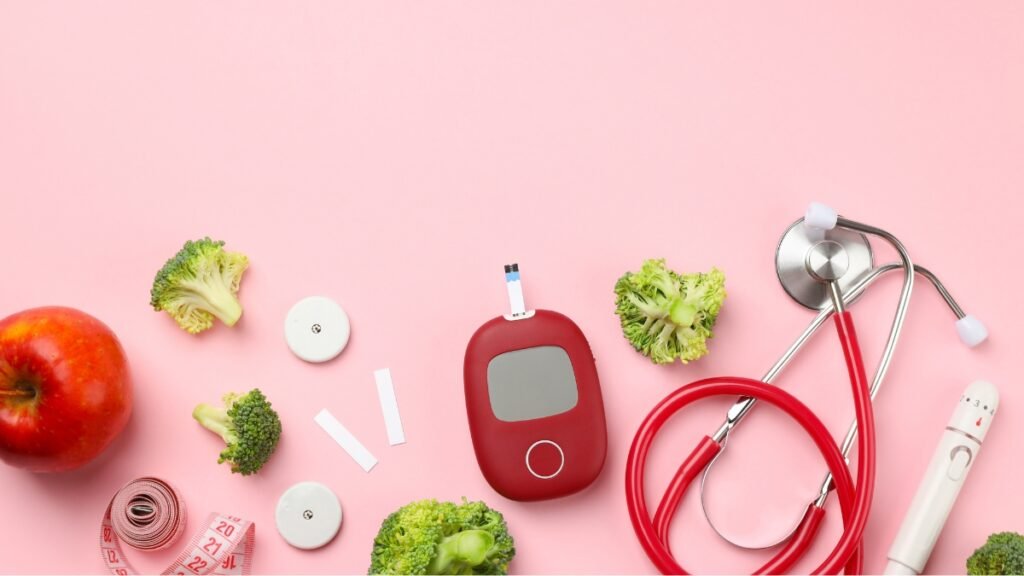
Diet strategies to lower blood sugar naturally and discover foods that reduce blood sugar naturally
Reduce refined carbs and added sugars
Cutting back on refined carbohydrates and sugar is one of the fastest ways to lower blood sugar fast naturally and reduce glucose spikes and give your insulin signaling a chance to recover. Swap out sugary drinks, pastries, white bread, and most packaged snacks for lower-carb alternatives that stabilize blood sugar.
Focus on clear swaps you can sustain, like sparkling water with citrus instead of soda, and whole-grain toast instead of a bagel. Small, consistent changes add up and help rebuild metabolic health over time.
Prioritize whole foods, fiber, and low-glycemic carbs
Choose vegetables, legumes, intact whole grains, nuts, and seeds to increase fiber and slow glucose absorption. High fiber feeds healthy gut bacteria and helps stabilize blood sugar levels by blunting post-meal glucose rises, improving insulin sensitivity over time.
| Type | Impact on blood sugar |
|---|---|
| Refined carbs and sweets | Rapid blood sugar spikes and greater insulin demand |
| Whole foods and low-glycemic carbs | Slower glucose release, more stable insulin responses |
Use these core choices alongside lifestyle guidance from What Is Insulin Resistance and How to Reverse It Naturally to design meals that support long term metabolic health.
Balance macronutrients: protein and healthy fats
Include a source of lean protein and a portion of healthy fats at each meal as part of natural ways to control glucose to slow digestion and reduce glucose surges. Eggs, fish, poultry, tofu, avocados, olive oil, and nuts are excellent choices that also support satiety.
Meal timing, portion control, and intermittent fasting
Eating regular, measured portions helps prevent insulin overload. Consider time-restricted eating or intermittent fasting if it fits your lifestyle, start slowly, and monitor how your body responds. Proper timing reduces total insulin exposure and can enhance cellular sensitivity.
Practical meal examples and grocery tips
Build simple meals: grilled salmon with roasted vegetables and quinoa; a large salad with chickpeas and olive oil, Greek yogurt with berries and walnuts. For snacks choose hummus with cucumber, or a small handful of almonds with an apple.
Shop the perimeter of the store, read labels to avoid added sugars, and batch-cook proteins and veggies to stay consistent. Apply the principles from What Is Insulin Resistance and How to Reverse It Naturally as you plan shopping and meals, and you will make steady progress.
Next, we will cover exercise and movement strategies that amplify these dietary changes and accelerate insulin recovery.
Sleep, stress management, and other lifestyle factors that improve metabolic health naturally
Good sleep and stress management are essential when working to restore metabolic health. Poor sleep raises fasting insulin and blood sugar through hormonal shifts and inflammation, making it harder to stabilize blood sugar levels, so small changes can deliver big gains in insulin sensitivity. Remember the broader plan, What Is Insulin Resistance and How to Reverse It Naturally, and target sleep and stress for measurable improvement.
Sleep quality and duration: actionable improvements
Aim for consistent sleep timing, even on weekends, because your circadian rhythm affects insulin signaling in muscle and liver tissue. Try a fixed bedtime and wake time, and reduce evening light exposure to encourage melatonin. If you struggle to fall asleep, limit late caffeine and heavy meals within three hours of bed.
Keep your bedroom cool, dark, and quiet, and use a wind-down routine like reading or gentle stretching to shift into rest. Short naps under 30 minutes can be restorative without disrupting nighttime sleep. Track improvements in energy and fasting glucose to see gains from better rest, and remember that What Is Insulin Resistance and How to Reverse It Naturally includes sleep as a core pillar.
| Habit | Typical Effect on Insulin |
|---|---|
| 7 to 9 hours consistent sleep | Improves insulin sensitivity, lowers fasting insulin |
| Less than 6 hours or irregular sleep | Raises insulin resistance and hunger hormones |
| Night shift work or light at night | Disrupts glucose regulation and circadian cues |
Stress, cortisol, and relaxation techniques (breathing, mindfulness)
Chronic stress keeps cortisol elevated and drives insulin resistance, making it harder to improve metabolic health naturally through sustained blood sugar release. Start with brief breathing exercises, such as 4-6 deep breaths, to calm the nervous system during high stress moments. Practice mindfulness or guided meditation for even ten minutes daily to reduce baseline cortisol and improve eating choices.
Movement that you enjoy also lowers stress and aids glucose uptake, so pick walks or light strength work that you can maintain. Treat stress management as metabolic medicine, not a luxury.
Alcohol, smoking, and environmental influences
Alcohol can impair glucose control and promote abdominal fat when consumed frequently, and smoking worsens inflammation and vascular insulin signaling. Reducing alcohol and quitting smoking are among the fastest lifestyle changes to protect insulin sensitivity.
Environmental factors like poor air quality, irregular light exposure, and shift work all influence metabolic hormones. Prioritize clean air, daylight exposure early in the day, and gradual shift adjustments if you must work nights. Small reductions in these harms compound into meaningful metabolic resilience.
Together, better sleep, stress control, and healthier environmental habits make reversing insulin resistance practical and sustainable. Next, we will explore targeted nutrition and meal timing strategies to support these changes.

Supplements, tracking progress, and when to get medical help
Evidence-based supplements and safety considerations
Some supplements have supportive evidence for improving insulin sensitivity and supporting natural ways to control glucose, but they are not replacements for diet, exercise, or medical care. Berberine can lower fasting glucose similar to metformin in some studies. Magnesium, vitamin D, omega-3s, chromium, and alpha-lipoic acid have modest benefits for glucose metabolism and inflammation.
Always consider interactions and quality. If you take medications for diabetes, check with a clinician before adding anything that can amplify blood sugar changes or affect liver enzymes. Pregnant people and those with kidney or liver disease need personalized advice.
| Supplement | Proposed benefit | Typical dose | Cautions |
|---|---|---|---|
| Berberine | Improves fasting glucose and insulin sensitivity | 500 mg two to three times daily | GI upset, drug interactions, not for pregnancy |
| Magnesium | Supports insulin signaling | 200–400 mg daily | Check kidney function, avoid excess |
| Vitamin D | May reduce insulin resistance if deficient | 800–2,000 IU daily | Test levels, avoid toxicity |
How to track improvements and realistic timelines
Use objective labs and simple daily measures to track progress as you work to reverse insulin resistance naturally. Useful labs include fasting glucose, fasting insulin, HOMA-IR, and HbA1c. Waist circumference, body composition, energy levels, sleep quality, and strength gains give practical insight into metabolic shifts.
Expect visible improvements in blood sugar and energy within 4 to 12 weeks with consistent lifestyle changes. Meaningful reductions in insulin resistance often take 3 to 6 months. Continuous glucose monitoring can reveal day to day trends and the real world impact of meals and exercise in the context of What Is Insulin Resistance and How to Reverse It Naturally.
Red flags and when to consult a healthcare professional
Seek prompt care for symptoms like excessive thirst, frequent urination, unexplained weight loss, severe fatigue, blurry vision, or confusion. Very high fasting glucose or ketones in urine require urgent evaluation. If you are on glucose lowering medications, consult before changing diet, exercise, or adding supplements because blood sugar can drop too low.
Also get medical review if lifestyle changes are not improving labs after three months, or if you plan pregnancy, have liver or kidney disease, or are taking multiple prescription drugs. Early professional support helps prevent complications and guides safe reversal strategies. Next, we will look at daily routines and meal plans to put these principles into action.
Conclusion
After going through this, it’s clear how how insulin controls blood sugar, what insulin resistance really means, the main biological drivers behind it, how it is diagnosed, and the diet strategies that help reverse it. The big lessons I take away are simple, they make sense, and they are doable. Insulin is a signal that helps your cells use fuel, when that signal gets ignored your blood sugar stays high, and that leads to many health risks. By learning the common causes, from excess refined carbs to lack of activity and poor sleep, I can see where to focus my efforts and why small changes add up over time.
My next steps are practical and clear. First, I will get basic tests, like fasting glucose and HbA1c, and, if available, fasting insulin to understand my starting point. Then I will change my plate, cutting refined carbs, adding fiber, leaning on quality protein, and using healthy fats to steady blood sugar. I will move more every day, aim for strength training a few times a week, and protect my sleep so hormones and recovery work for me. I will also reduce stress with simple breathing or short walks, monitor progress with repeat tests and notes on how I feel, and adjust as needed. I know consistency and patience matter more than perfection.
In the end, reversing insulin resistance feels like reclaiming a part of my health that responds well to steady, sensible actions. I am not chasing a quick fix, I am building habits that restore sensitivity, improve energy, and support long-term metabolic health naturally. That steady progress is its own reward, and it shows that small, smart changes can lead to meaningful results.
FAQ
What is insulin resistance and why does it happen?
Insulin resistance occurs when your cells respond poorly to insulin, causing higher blood sugar and insulin levels. It is commonly driven by excess body fat, poor diet, inactivity, stress, and lack of sleep. Over time, this disrupts metabolism and increases the risk of type 2 diabetes and heart disease.
How can you lower blood sugar naturally and improve insulin sensitivity?
You can lower blood sugar naturally by reducing refined carbs, eating more fiber-rich whole foods, exercising regularly, improving sleep, and managing stress. These habits enhance how your cells respond to insulin, reduce glucose spikes, and support long-term metabolic health without relying solely on medication.
Why does excess belly fat increase insulin resistance?
Excess belly fat releases inflammatory substances that interfere with insulin signaling. It also raises free fatty acids that accumulate in organs like the liver and muscles, blocking glucose uptake. Reducing visceral fat through diet and exercise can quickly improve insulin sensitivity and stabilize blood sugar levels.
When should you get tested for insulin resistance?
You should get tested if you have symptoms like fatigue, weight gain, sugar cravings, or a family history of diabetes. Testing is also important if fasting glucose or A1c is borderline. Early detection using fasting insulin or HOMA-IR helps prevent progression to type 2 diabetes.
Who is most at risk for insulin resistance?
People with excess weight, sedentary lifestyles, poor diets, chronic stress, or inadequate sleep are at higher risk. Genetics, aging, and hormonal imbalances also increase susceptibility. Individuals with a family history of diabetes should monitor blood sugar regularly and adopt preventive lifestyle habits early.
Which foods help reduce blood sugar naturally?
Foods that help reduce blood sugar include leafy greens, legumes, whole grains, nuts, seeds, and lean proteins. These foods are high in fiber and nutrients that slow glucose absorption and improve insulin response. Pairing carbohydrates with protein and healthy fats further stabilizes blood sugar levels.
Affiliate Disclosure and Health Information Disclaimer: This article may contain affiliate links. If a purchase is made through these links, a commission may be earned at no additional cost to the reader. The content is provided for informational and educational purposes only and reflects independent research based on scientific literature, ingredient analysis, and publicly available health information. Supplements and wellness strategies discussed in this article should be viewed as supportive tools rather than substitutes for professional medical care. Readers with medical conditions or those taking medications should consult a qualified healthcare professional before making significant changes to their health routine.

Marcelo Carter is the founder and author behind Supplements Fit, where he shares supplement reviews, wellness insights, and healthy lifestyle content. Passionate about health and fitness, Marcelo spends his time researching ingredients, analyzing products, and creating beginner-friendly articles designed to help readers make smarter and more confident wellness decisions online.