Ringing in the Ears: Causes and Solutions is a clear explanation of why you might hear persistent buzzing, hissing, or tonal sounds when no external source exists, and how to pursue tests and treatments that can reduce or resolve those symptoms. Tinnitus often arises from ear damage, one of the most common ear ringing causes, noise exposure, circulatory changes, or other medical conditions, and many people achieve meaningful relief with the right evaluation and plan.
Ringing in the ears, known as tinnitus, is usually caused by hearing damage, loud noise exposure, stress, or underlying health conditions. Symptoms may include buzzing, hissing, or persistent tones without an external source. Identifying the cause early helps reduce discomfort and improves long-term management.
Hearing a constant ring can feel isolating and distracting — it can steal your sleep, disrupt your focus, and make you worry about what’s happening inside your ears. You’re not imagining it, and you’re not alone — millions of people experience tinnitus in varying degrees from a temporary whoosh after a concert to a chronic tone that changes daily. Once I understood the different types and sensations, it became much easier to manage the anxiety around it so you can approach it with confidence, not fear. This guide helped me connect the science to what I was actually feeling day to day, so you know what to expect and how to advocate for yourself.
In the sections ahead you will find practical, clinician-backed steps to identify the cause and pursue lasting solutions, starting with a straightforward definition and how tinnitus feels, then a deep dive into common causes and risk factors, and finally the tests clinicians use to diagnose and tailor treatment. Expect actionable advice on medical evaluations, hearing tests, lifestyle changes, sound therapy, and therapeutic options that reduce perception and distress, plus questions to ask your provider. Keep reading to turn confusion into a clear plan and regain control over your days and nights.
What Is Tinnitus? Types, Symptoms, and How It Feels (Tinnitus Symptoms Explained)
Tinnitus is the perception of sound when no external source exists, a sensation that can range from a faint background hum to intrusive tones that dominate your awareness. People describe it in many ways, and understanding the type and pattern of sounds is the first step toward meaningful relief.
Subjective vs. objective tinnitus
Subjective tinnitus is by far the most common form, heard only by the person experiencing it and often linked to ear or nerve damage. Objective tinnitus is rare and can sometimes be heard by an examiner, usually caused by vascular or muscular sources. A clear clinical evaluation helps differentiate the two and guides treatment choices.
| Feature | Subjective | Objective |
|---|---|---|
| Perceived only by patient | Yes | Sometimes |
| Common causes | Hearing loss, noise damage, nerve changes | Vascular flow, muscle spasms |
| Testing | Audiology, imaging | Examination, Doppler ultrasonography |
Common symptom patterns (ringing, buzzing, hissing)
Descriptions often include ringing, buzzing, hissing, or whooshing, and each pattern can suggest different underlying mechanisms. Ringing tends to be tonal, buzzing may reflect broader frequency involvement, and hissing can feel like static. Treatments are tailored to the pattern and to how much the sound affects daily life.
Tinnitus management guide appears frequently in patient education because clear explanations reduce fear and point toward practical steps that can lower symptom intensity. Many people find that sound therapy, hearing aids, or targeted medical care bring significant improvement.
Associated problems: hearing loss, sleep, concentration
Tinnitus often coexists with hearing loss, one of the most common tinnitus symptoms, and the two conditions can reinforce each other, making quiet environments feel more pronounced. Sleep disruption is common, because silence highlights internal sounds and increases stress. Concentration suffers when intrusive noise compounds cognitive load and anxiety.
Understanding these types and symptom patterns empowers you to seek appropriate testing and strategies, and the next section will explain the specific tests and treatments that clinicians use to bring relief and improve quality of life.
Common Causes and Risk Factors Behind Ringing Ears
The most common causes of ear ringing include:
– Exposure to loud noise
– Age-related hearing loss
– Earwax buildup
– Stress and anxiety
– Certain medications
Tinnitus can stem from many different sources, and understanding the root helps you take action. This section breaks down common contributors so you can prioritize tests and treatments with confidence, and it also connects to practical steps described later in tinnitus relief strategies.
Ear and hearing-related causes (noise-induced, age-related)
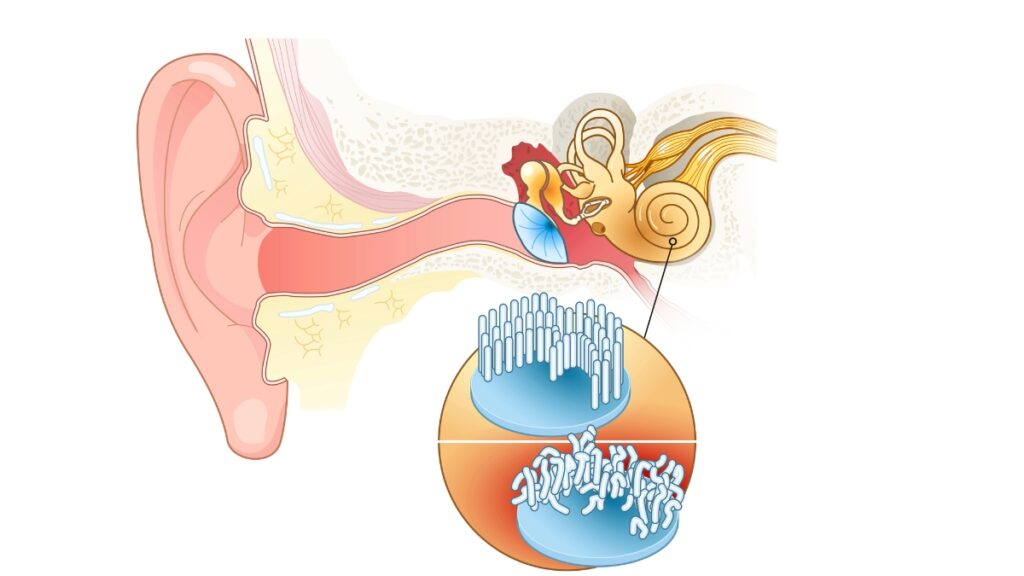
Noise-induced damage is one of the most frequent triggers, from loud concerts to occupational exposure. Tiny hair cells in the inner ear can be damaged, producing persistent buzzing or ringing sensations.
Age-related hearing loss also raises tinnitus risk as sensory cells deteriorate. Regular hearing checks and early hearing-aid fitting often reduce perceived tinnitus loudness and improve quality of life.
Medications and ototoxic substances
Certain medications can be ototoxic, meaning they harm the inner ear and cause or worsen tinnitus. Common culprits include high-dose aspirin, some antibiotics, and certain chemotherapy agents.
Reviewing your prescriptions with a clinician can pinpoint reversible causes. Switching drugs or adjusting doses under medical supervision often leads to improvement.
Medical conditions (vascular, TMJ, Meniere’s)
Cardiovascular issues can produce pulsatile tinnitus, where the noise matches your heartbeat, due to altered blood flow. Temporomandibular joint disorders and inner ear diseases like Meniere’s can also trigger varied tinnitus sounds.
Targeted treatment for the underlying condition, such as dental care for TMJ or vascular evaluation, frequently reduces symptoms.
Lifestyle and environmental risk factors
Stress, poor sleep, caffeine, and nicotine can amplify tinnitus perception. Repeated loud exposures without protection raise long-term risk, and uncontrolled blood pressure worsens symptoms.
Behavioral changes, sound therapy, and protective habits are practical measures that many people find empowering.
| Cause | Typical Features | Next Steps |
|---|---|---|
| Noise-induced | Continuous high-pitch ringing | Hearing test, ear protection, counseling |
| Ototoxic drugs | Onset after medication use | Medication review, alternatives |
| Vascular | Pulsatile, heartbeat-synced | Vascular imaging, cardiology consult |
With a clearer view of likely causes and risks, you are ready to explore diagnostic options and evidence-based treatments in the next section.
Red Flags: When Ringing in the Ears Requires Urgent Attention
Sudden or rapidly worsening tinnitus with hearing loss
When ringing appears suddenly and is accompanied by a noticeable drop in hearing, treat it as urgent. This pattern can signal sudden sensorineural hearing loss, an inner ear injury that benefits from prompt medical evaluation and possible steroid treatment to improve recovery odds.
Do not wait days to see if it resolves. Early intervention increases the chance of preserving hearing and reducing persistent tinnitus, and resources like hearing-related symptoms outline why time matters for certain presentations.
Pulsatile tinnitus suggesting vascular causes
If the sound beats in time with your pulse, it is pulsatile tinnitus and may point to vascular issues such as arterial abnormalities, high blood pressure, or vascular tumors. This type of tinnitus warrants imaging and cardiovascular assessment to rule out treatable or dangerous causes.
| Feature | Urgent Concern | Typical Next Step |
|---|---|---|
| Pulsatile, synchronous with heartbeat | High | Vascular imaging, urgent ENT or neuro referral |
| Steady, nonpulsatile | Variable | Hearing tests, audiology follow up |
Neurological signs or asymmetric symptoms
Balance problems, facial weakness, severe headache, or tinnitus present only in one ear are red flags. These symptoms can indicate neurological causes such as acoustic neuroma, stroke, or other central nervous system conditions that require fast diagnostic imaging.
If you notice one-sided ringing with other neurological changes, seek emergency care, and consult sources like ear ringing causes for background on the types of testing clinicians order.
What to do immediately
Call your primary care provider or go to the emergency department if you experience sudden hearing loss, pulsatile tinnitus, or any neurological signs. Note onset time and associated symptoms, and avoid loud noise to help prevent further damage.
Acting quickly can change outcomes, so seek urgent assessment and then continue to the next section to learn about diagnostic tests and treatment options.
You might also want to read about this: 9 Proven What Causes Tinnitus and How to Reduce It for Lasting Relief
Proven Tinnitus Relief Methods (Ear Ringing Treatment Options)
If persistent sounds are disrupting your life, there are evidence-based tinnitus relief methods that can reduce the intensity and the distress. Many people respond well when care is tailored to the cause, hearing profile, and emotional impact, and some of the best outcomes come from combining therapies with ongoing follow up. Practical guidance from specialists and resources like hearing-related symptoms can help you choose the right path.
Hearing aids and sound-amplification devices
Hearing aids are often the first-line option when tinnitus follows hearing loss. By restoring audibility and improving speech clarity, these devices can reduce the relative prominence of internal sounds and improve concentration.
Modern hearing aids include sound generators and programmable masking options that deliver broadband noise or customized tones to blend with the tinnitus. Many users report meaningful relief within weeks when amplification is fitted and adjusted by an audiologist.
Cognitive behavioral therapy (CBT) and counseling
CBT targets the negative thoughts and behaviors that make tinnitus more distressing. It teaches coping skills, attention training, and relaxation techniques to reduce anxiety and improve sleep.
Counseling that focuses on education and realistic expectations can change the emotional response to tinnitus, even if the sound itself does not disappear. This therapy empowers patients to regain control and return to valued activities.
Tinnitus retraining therapy (TRT)
TRT combines directive counseling with low-level sound therapy to promote habituation, the brain’s natural ability to ignore benign signals. Progress is gradual, often requiring several months, but many people achieve substantial reduction in perceived loudness and annoyance.
Medications and procedural options (limited evidence)
No drug reliably eliminates tinnitus for most patients, but medications can treat associated problems such as anxiety, depression, or insomnia. In select cases, intratympanic injections or nerve procedures are considered, usually when a clear underlying cause is identified.
Discuss risks and modest benefits with your ENT or neurologist before pursuing invasive treatments, and prioritize therapies with stronger evidence when possible.
| Approach | Primary benefit | Typical timeline |
|---|---|---|
| Hearing aids | Improves audibility, reduces prominence | Weeks to months |
| CBT / Counseling | Reduces distress and improves coping | Weeks to months |
| TRT | Promotes habituation | Months to a year |
| Medications / Procedures | Treats comorbid symptoms, limited direct benefit | Variable |
Combining hearing support, behavioral therapies, and targeted medical care gives the best chance of meaningful relief, a strategy supported by clinical practice and by resources such as tinnitus relief strategies. Read on to learn how to prepare for your first specialist visit and what tests to expect.
How to Stop Tinnitus Naturally (Lifestyle and Daily Strategies)
Stress reduction and sleep hygiene
Stress and poor sleep amplify perception of tinnitus. Build calming evening routines, limit screen time before bed, and practice breathing or progressive muscle relaxation to lower nighttime arousal.
Cognitive approaches and consistent sleep schedules help the brain reframe internal sounds, and using behavioral strategies supports the guidance in ear ringing causes.
Sound enrichment, masking, and white-noise devices
Gentle background sound is one of the most effective natural ways to reduce tinnitus between tinnitus and silence, making the perception less intrusive. Use fans, soft music, or dedicated white-noise machines at low volume to encourage habituation.
Avoid masking so loudly that it becomes a new source of hearing strain, and consider sound therapy programs or hearing aids with enrichment features, which are discussed further in tinnitus management guide.
Dietary considerations and substance moderation
Some people notice tinnitus responds to caffeine, alcohol, high-salt foods, or nicotine. Trial short-term reductions to see if symptoms ease, and keep a simple food and symptom log to spot patterns.
Stay well hydrated and maintain balanced meals, because overall health and stable blood sugar often lessen tinnitus intensity over time.
Hearing protection and safe listening habits
Protect ears in noisy environments, and lower personal audio device volume to no more than 60% for under an hour at a stretch. Take regular listening breaks to give your auditory system time to recover.
| Protection | Typical Noise Reduction | Best Use |
|---|---|---|
| Foam earplugs | 20–30 dB | Concerts, construction, short noisy exposures |
| Reusable silicone plugs | 15–25 dB | Swimming, travel, general noise |
| Over-ear earmuffs | 25–35 dB | Workshops, lawn equipment, prolonged noise |
| Custom molded plugs | 20–35 dB | Frequent musicians, industrial workers |
Start applying these practical steps now to reduce daily impact, and next we will explore professional treatment options and when to seek clinical care.
Natural Ways to Reduce Tinnitus and Emerging Treatments
Neuromodulation and noninvasive brain stimulation
Noninvasive brain stimulation, such as transcranial magnetic stimulation and transcranial direct current stimulation, has shown promise for some people with tinnitus. Studies report reduced loudness or distress in controlled trials, but results are mixed and effects can be temporary. Targeting auditory cortex areas appears most effective for tonal tinnitus, and repeated sessions often produce stronger benefits.
Clinical protocols are still being refined, and access is limited to specialized centers in many regions. For those exploring options, discuss realistic goals with a clinician, and remember that combining neuromodulation with sound therapy or counseling may increase chances of meaningful change for people described in Ringing in the Ears: Causes and Solutions.
Supplements and complementary therapies
Many supplements are marketed for tinnitus, including zinc, ginkgo biloba, melatonin, and B vitamins. Some small trials show modest benefits for sleep or anxiety rather than direct elimination of tinnitus. Quality and dosing vary, so unregulated products may not match trial formulations.
| Intervention | Evidence Level | Typical Benefit | Risks |
|---|---|---|---|
| Transcranial magnetic stimulation | Moderate | Reduced tinnitus loudness in some patients | Headache, transient discomfort |
| Ginkgo biloba | Low to mixed | Small improvements in some trials | Bleeding risk, variable purity |
| Cochlear or brain implants (research) | Preclinical to early trials | Potential for long-term relief in select cases | Surgical risks, device complications |
Surgical and implant options under research
For severe, treatment-resistant tinnitus, researchers are investigating implants that stimulate the cochlea or central auditory pathways. Early studies show potential, particularly when tinnitus is linked to specific neural patterns. Surgery is invasive and is typically reserved for carefully screened candidates in clinical trials.
Outcomes vary, and long-term data are limited. If you are considering such options, seek centers with trial experience and clear reporting of results, and weigh possible benefits against irreversible risks described in Ringing in the Ears: Causes and Solutions.
How to evaluate claims and clinical trials
Assess claims by checking study design, sample size, control groups, and peer review. High-quality evidence comes from randomized controlled trials with follow-up. Beware of testimonials, single-case reports, and industry-funded studies that lack transparency.
Look up trial registration, read methods, and ask whether outcomes measured are clinically meaningful. If a treatment seems promising, consider joining a registered trial to receive careful monitoring. Keep records of what you try and share them with your care team as you move to the next section for practical steps and decision tools.
Conclusion
As I reflect on what we covered, I feel clearer about how tinnitus shows up and what actually helps. I reviewed different types and symptoms, I learned common causes and risk factors, and I saw how clinicians use specific tests to pinpoint issues. I also noted the red flags that mean urgent care is needed, and I explored proven medical treatments and therapies that can bring real relief. These takeaways give me a practical map for action.
For next steps, I focus on simple, practical moves I can do right away. I track when the ringing happens as part of my personal ear health checklist and what might trigger it, I protect my ears from loud sounds, and I schedule a hearing test and a clinical evaluation with clear notes about my symptoms and meds. I try lifestyle changes that help, like improving sleep, reducing stress, and staying active, and I stay open to therapies like sound enrichment, counseling, or medical treatments when a clinician recommends them.
I know living with ringing in the ears can test my patience, but I also know small, steady steps add up to better days. By staying informed, keeping records, and working with trusted professionals, I can reduce the impact and regain control over how much tinnitus affects my life. My goal is a quieter, more manageable daily life, with tools and habits that help me move forward.
FAQ
What causes ringing in the ears most often?
The most common causes of ringing in the ears include noise-induced hearing damage, age-related hearing loss, earwax buildup, stress, and certain medications. These factors disrupt normal auditory signals, creating phantom sounds. Identifying the trigger early helps guide treatment and can significantly reduce tinnitus intensity and long-term impact.
How can I stop ringing in the ears naturally?
You can reduce ringing in the ears naturally by improving sleep, lowering stress, and using sound therapy like white noise or a fan. Limiting caffeine, alcohol, and loud noise exposure also helps. Consistent habits retrain your brain to ignore the sound, reducing how noticeable and distressing tinnitus feels over time.
Why is my tinnitus louder at night?
Tinnitus often feels louder at night because external noise drops, making internal sounds more noticeable. Stress and fatigue can also heighten perception. Using background sound, like white noise or soft music, reduces contrast and helps your brain tune out the ringing, improving sleep and lowering nighttime discomfort.
When should I worry about ringing in the ears?
You should seek medical attention if tinnitus appears suddenly, worsens quickly, or comes with hearing loss, dizziness, or neurological symptoms. Pulsatile tinnitus (in sync with your heartbeat) also needs evaluation. Early assessment helps rule out serious causes and improves the chances of effective treatment and symptom relief.
Who is most at risk for developing tinnitus?
People exposed to loud noise, older adults, and those with hearing loss are most at risk for tinnitus. Individuals with high stress, cardiovascular issues, or frequent use of ototoxic medications also face higher risk. Understanding your risk factors helps you take preventive steps and protect long-term hearing health.
Which treatments actually help reduce tinnitus symptoms?
Effective tinnitus treatments include hearing aids, sound therapy, and cognitive behavioral therapy (CBT). These approaches reduce how strongly you perceive the sound and improve coping. While no universal cure exists, combining therapies tailored to the cause often leads to meaningful, long-term relief for most people.
Affiliate Disclosure and Health Information Disclaimer: This article may contain affiliate links. If a purchase is made through these links, a commission may be earned at no additional cost to the reader. The content is provided for informational and educational purposes only and reflects independent research based on scientific literature, ingredient analysis, and publicly available health information. Supplements and wellness strategies discussed in this article should be viewed as supportive tools rather than substitutes for professional medical care. Readers with medical conditions or those taking medications should consult a qualified healthcare professional before making significant changes to their health routine.

Marcelo Carter is the founder and author behind Supplements Fit, where he shares supplement reviews, wellness insights, and healthy lifestyle content. Passionate about health and fitness, Marcelo spends his time researching ingredients, analyzing products, and creating beginner-friendly articles designed to help readers make smarter and more confident wellness decisions online.