
Prostate health for men over 50 involves practical lifestyle and medical strategies that help preserve function, lower the risk of benign prostatic hyperplasia and prostate cancer, and improve urinary and sexual well-being so you can maintain energy and confidence as you age.
Prostate health after 50 depends on lifestyle habits, early detection, and regular screening. Common issues include enlarged prostate, prostatitis, and prostate cancer, often causing urinary changes and reduced vitality. Taking proactive steps with diet, exercise, and medical checkups helps maintain prostate function and improve long-term health and quality of life.
After age 50, prostate health naturally becomes a priority that affects daily comfort and long-term vitality. Small, consistent choices in diet, exercise, sleep, and screening can shift outcomes dramatically, and you do not need to feel overwhelmed to start. Many men hesitate to talk about symptoms like a weak urine stream, urgency, or changes in libido, but those symptoms are common and often manageable when caught early.
Learning about BPH, prostatitis symptoms, and prostate cancer gives you the context to act, not panic, especially when you recognize early warning signs, and makes appointments with your clinician more productive. This introduction meets you where you are, with straightforward guidance that respects your concerns and fits into a busy life.
In the sections ahead, you will find clear explanations of the importance of prostate health for men over 50, a concise look at common prostate conditions including BPH, prostatitis symptoms, and prostate cancer, and a practical symptom checklist covering urinary, sexual, and systemic signs. This guide provides science-backed, actionable tips you can apply immediately, from dietary adjustments and targeted exercises to screening recommendations and when to seek specialist care. Keep reading to get a step-by-step plan that empowers you to boost vitality, reduce anxiety, and take control of your prostate health.
The importance of prostate health for men over 50

Turning 50 marks a milestone, and prostate health moves from a background concern to a daily priority. Small changes in lifestyle, along with timely medical care, can prevent discomfort and preserve sexual and urinary function. Staying proactive helps you keep energy, confidence, and independence as you age.
Understanding risk factors is empowering, because knowledge enables action. Age, family history, and lifestyle choices influence prostate conditions. Simple dietary shifts, regular exercise, and stress management reduce inflammation and support hormonal balance, making it easier to follow your clinician’s recommendations.
| Approach | What to focus on | Quick benefit |
|---|---|---|
| Diet | More vegetables, healthy fats, less processed food | Lower inflammation and better weight control |
| Exercise | Cardio, strength, pelvic floor work | Improved urinary control and vitality |
| Screening | Regular PSA and doctor discussions | Early detection and peace of mind |
| Medical care | Medications or procedures when needed | Symptom relief and preserved function |
Emotional wellbeing matters too, since stress and poor sleep can worsen symptoms. Building habits that improve sleep, maintain a healthy weight, and support mental resilience will multiply the benefits of any chosen treatments or lifestyle plans. Sharing concerns with partners and clinicians increases support and leads to tailored care.
Taking control now is key in how to improve prostate health and stay active and confident for years to come. In the next section, we will dive into specific dietary and exercise strategies you can start this week.
Recognizing symptoms: urinary, sexual, and systemic signs

Getting familiar with warning signs is the first step to preserving comfort and confidence. Knowing what to watch for helps you take action early, and regular checkups amplify the impact of these strategies when symptoms appear. Stay alert to changes, because prompt recognition often leads to simpler, more effective treatments.
Urinary symptoms to watch for in urinary health in men (frequency, weak stream, retention)
Frequent urination, a weak or interrupted stream, which are common urinary symptoms in men, difficulty starting, and a sense of incomplete emptying are common early indicators. If you notice rising nighttime trips to the bathroom or sudden urinary retention, seek evaluation right away, and combine that visit with practical guidance to guide next steps. A persistent pattern matters more than occasional episodes.
| Symptom | What it may mean | When to see a doctor |
|---|---|---|
| Increased frequency/nocturia | Enlarged prostate or bladder irritation | If it affects sleep or daily life |
| Weak stream/hesitancy | Obstruction from prostate growth | When persistent for weeks |
| Sudden retention | Urgent medical problem | Immediate emergency care |
Sexual health changes (erectile dysfunction, ejaculatory issues)
Erectile dysfunction and altered ejaculation can signal prostate-related changes or vascular and hormonal issues. Discussing sexual symptoms openly with your clinician enhances the effectiveness of your treatment plan, and treatments are often available that restore performance and confidence. Addressing these topics early preserves relationships and mental well-being.
Systemic signs and red flags that require immediate attention
Systemic symptoms such as fever with urinary issues, visible blood in the urine, unexplained weight loss, bone pain, or sudden inability to urinate demand urgent evaluation. These red flags may indicate infection, advanced disease, or complications, and they should require immediate medical attention by prompting immediate care. Never ignore severe or rapidly worsening signs.
Understanding these urinary, sexual, and systemic signals prepares you to act and to get the most from prevention and treatment strategies, and next we will look at practical prevention techniques and lifestyle changes you can start today.
Screening and diagnostic tests: PSA, DRE, and imaging
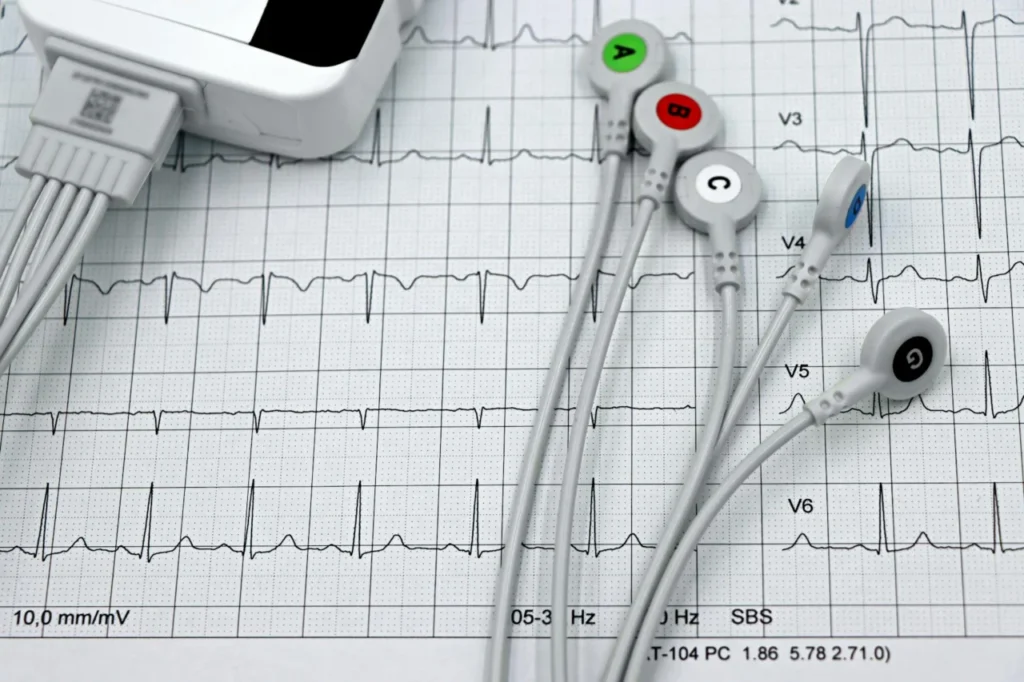
Prostate-specific antigen (PSA) testing: interpretation and limitations
PSA is a blood marker produced by the prostate, often referred to as the PSA test for prostate evaluation, used to screen for prostate abnormalities and cancer as part of routine prostate cancer screening. A rising PSA can signal benign prostatic hyperplasia, infection, recent ejaculation, or malignancy, so results require context and follow-up to avoid unnecessary alarm.
PSA interpretation should factor in age, prostate size, and prior values. A single elevated number does not diagnose cancer, and low PSA does not completely rule it out, which is why these tests are part of broader Prostate Health Tips for Men Over 50 that emphasize personalized assessment and repeat testing when needed.
Digital rectal exam (DRE): what to expect
The DRE is a brief office exam where a clinician feels the prostate through the rectal wall to check for lumps, hardness, or asymmetry. It takes a minute and can detect abnormalities that PSA alone might miss, especially in some early cancers.
Expect mild discomfort but not pain, and remember that DRE findings are one more data point. Combining DRE with PSA fits well within a preventive care strategy because it improves detection while guiding next steps.
When imaging or biopsy is recommended
Imaging, such as multiparametric MRI, is recommended when PSA is persistently elevated or DRE is suspicious. MRI helps target suspicious areas and can reduce unneeded biopsies.
Biopsy is advised when imaging or clinical findings raise concern. Modern approaches include MRI-targeted biopsy and systematic sampling to improve accuracy, while weighing risks like bleeding and infection. These diagnostic pathways are essential for accurate diagnosis and care that prioritize accurate diagnosis with fewer harms.
| Test | What it detects | Pros | Cons |
|---|---|---|---|
| PSA blood test | Elevated protein linked to prostate disease | Simple, widely available | Not specific for cancer |
| DRE | Palpable nodules or asymmetry | Quick, adds clinical context | Operator dependent |
| Multiparametric MRI | Suspicious lesions in prostate | Improves targeting for biopsy | Cost and availability |
| Prostate biopsy | Confirms cancer and grade | Definitive diagnosis | Invasive, infection risk |
Suggested screening frequency and personalized risk assessment
Screening should be individualized based on age, family history, race, and overall health. Men at average risk often start discussion around age 50, while those with higher risk begin earlier, and frequency changes with baseline PSA.
General guidance is practical, for example a PSA under 1 ng/mL may allow testing every 2 to 4 years, while a PSA between 1 and 3 ng/mL suggests annual to biennial checks. Use these as starting points within a personalized screening plan and discuss a tailored plan with your clinician.
Shared decision making empowers you to balance benefits and harms, so record your values and preferences and re-evaluate over time. Next, we will review treatment options and lifestyle strategies to protect prostate health and quality of life.
Dietary strategies and best diet for prostate health

Foods and nutrients that support prostate health and foods for prostate health (tomatoes, cruciferous vegetables, healthy fats)
Focus on whole foods that deliver antioxidants and anti-inflammatory compounds. Cooked tomatoes are rich in lycopene, cruciferous vegetables like broccoli and Brussels sprouts provide sulforaphane, and fatty fish and olive oil offer omega-3s and monounsaturated fats that support cellular health and represent natural ways to support prostate health.
Add a serving of cooked tomatoes or tomato sauce to meals several times a week, this simple swap is a proven healthy habit that can raise lycopene absorption and benefit the prostate.
Foods and habits to limit (processed foods, high dairy intake, excess red meat)
Cut back on processed snacks, sugary drinks, and refined grains, because they drive inflammation and weight gain which stress prostate function. High dairy intake and frequent red meat servings are linked in some studies to higher prostate issues, so reduce portions and opt for plant or fish proteins more often.
Swap one or two red meat meals per week for legumes or fatty fish, a change that aligns with practical dietary strategies and keeps meals satisfying and heart friendly.
Practical meal tips and hydration guidance
Structure plates around vegetables, lean proteins, and healthy fats, aim for color and variety to cover micronutrients. Batch cook tomato-based stews with cruciferous sides, make simple salads with olive oil dressing, and use nuts or avocado for snacks.
| Eat More | Limit |
|---|---|
| Tomatoes, broccoli, salmon, olive oil | Processed foods, sugary drinks, large red meat portions |
| Legumes, nuts, whole grains | High-fat dairy, excess sodium |
Stay well hydrated but avoid excessive fluid intake before bedtime to reduce nocturnal trips to the bathroom, and choose water, herbal teas, or diluted fruit infusions over alcohol and caffeine which can irritate the bladder. Small, consistent changes make a big difference in natural prostate support and long-term wellness and follow clear, evidence-based guidance as you build sustainable habits that support energy and confidence.
Next, let’s explore lifestyle habits and screenings that complement these dietary strategies and protect long term prostate wellness.
You may also be interested in reading about: Prostate Cancer Warning Signs and Prevention Tips: What the Research Shows
Exercise, pelvic floor training, and weight management


Aerobic and resistance exercise recommendations for prostate health
Aim for at least 150 minutes of moderate aerobic activity each week, or 75 minutes of vigorous exercise, to support blood flow, hormone balance, and overall stamina. Add two strong resistance sessions weekly to preserve muscle mass and improve insulin sensitivity, benefits that reduce prostate disease risk and boost energy.
Choose activities you enjoy, walk briskly, cycle, swim, or lift weights with progressive overload to keep gains steady. Many men find that combining cardio and strength training helps control symptoms and supports long term goals, offering practical long-term benefits.
| Type | Main Benefits | Frequency |
|---|---|---|
| Aerobic | Cardio fitness, weight control, circulation | 150 min/week |
| Resistance | Muscle mass, metabolism, bone health | 2 sessions/week |
Pelvic floor exercises for men (Kegels): technique and progression
Learn to identify the pelvic floor by stopping urine briefly, then avoid using that cue as an exercise pattern. Tighten the muscles around the base of the penis and anus, hold for three to five seconds, then relax for the same time. Repeat 10 times per set, work up to three sets daily, and gradually increase hold time.
Consistency matters most, and practicing during daily routines builds strength and control. These steps are easy to combine with other healthy habits.
Managing weight, metabolic syndrome, and activity tracking
Excess weight and metabolic syndrome raise inflammation and hormonal shifts that affect the prostate, so aim for steady weight loss of one to two pounds per week through diet and exercise. Track steps, workouts, and waist measurements to stay accountable and celebrate small wins.
Use wearable trackers or simple logs to monitor progress and adjust intensity over time. Combining lifestyle changes with targeted training completes a proactive plan and reinforces a strong health foundation, helping you feel stronger and more confident as you age. Next, we will explore diet and supplement strategies that complement these habits.
Medical treatments, follow-up care, and building a long-term wellness plan
Medical treatment is one pillar of a proactive strategy to maintain comfort and function as you age. Effective medical treatments should be paired with lifestyle changes, part of your overall care plan.
Medications for BPH and other prostate conditions: benefits and side effects
Common medications include alpha-blockers to relax bladder neck muscles, 5-alpha reductase inhibitors to shrink the prostate over months, and antibiotics for bacterial prostatitis. Each Prostate Health Tips for Men Over 50 option brings clear benefits, faster symptom relief or disease control, and distinct side effect profiles.
Typical side effects range from dizziness and nasal congestion with alpha-blockers to decreased libido and sexual dysfunction with 5-alpha reductase inhibitors. Discuss risks and benefits to match your goals, and include this in your decision-making process.
BPH treatment options including minimally invasive procedures and surgical options: indications and recovery
When medications are insufficient, evaluate minimally invasive treatments like UroLift, Rezūm, and laser procedures, or surgical options such as TURP and simple prostatectomy for very large glands. Indications include significant urinary obstruction, recurrent infections, or persistent symptoms that reduce quality of life.
Recovery times vary, from same-day discharge for some office procedures to several weeks for major surgery. Consider less invasive options first when appropriate, and add the chosen approach to your treatment plan.
| Option | Indication | Recovery | Benefit |
|---|---|---|---|
| Alpha-blockers | Mild to moderate BPH | Immediate effect, no downtime | Quick symptom relief |
| UroLift | Moderate obstruction, suitable anatomy | Same-day, rapid return to activity | Preserves sexual function |
| TURP / Surgery | Severe obstruction, large prostate | Hospital stay, weeks to recover | Durable symptom control |
Monitoring, follow-up schedule, symptom tracking, and support resources
After treatment, regular follow-up is essential. Typical schedules include an initial check at 6 to 12 weeks, then every 6 to 12 months for stable patients, with PSA testing and digital rectal exams as recommended by your clinician.
Track urinary flow, frequency, nocturia, and sexual function, and report any new pain, blood in urine, or fever immediately. Track symptoms and regular screenings.
Use nurses, urology clinics, local support groups, and reputable online resources to stay informed and motivated. Building a long-term wellness plan combines treatment choices, monitoring, and lifestyle actions to preserve energy and confidence as you age, leading naturally into the next steps of prevention and daily habits.
Conclusion
As I look back on what I covered, I feel more confident that prostate care is practical and empowering, not mysterious. I learned that common conditions like benign prostatic hyperplasia, prostatitis, and prostate cancer are different, each with specific signs to watch for, and that paying attention to urinary changes, sexual symptoms, and general health clues makes a real difference.
I also saw that screening tools such as PSA, DRE, and targeted imaging can catch problems early, and that diet and lifestyle choices provide meaningful support for long term vigor. These lessons shape how I approach Prostate Health Tips for Men Over 50 and guide the small actions I take every day.
My next steps are simple and doable, and I invite you to consider similar moves. I will track any urinary or sexual changes and record them before appointments, I will bring up PSA and DRE testing with my doctor, and I will aim to eat more tomatoes, cruciferous vegetables, healthy fats, and foods rich in zinc and omega 3. I will cut back on processed meats and excess dairy, stay active with regular exercise, and try pelvic floor exercises to support urinary control. Small, consistent changes like these add up to better vitality and peace of mind.
I challenge you to take one clear step right now, call your primary care physician or urologist and schedule a screening appointment for a PSA test and a DRE this week. If you notice any troubling symptoms, make that call today and bring a list of questions to your visit, so you leave with a plan. The information presented here is for informational purposes only and does not replace medical advice. Always seek a qualified healthcare professional.
FAQ
What are the most common prostate problems after 50?
The most common prostate problems after 50 include benign prostatic hyperplasia (BPH), prostatitis, and prostate cancer. These conditions often cause urinary symptoms like weak stream, frequent urination, or urgency. Early detection through screening and recognizing symptoms can significantly improve treatment outcomes and long-term quality of life.
How can men over 50 improve prostate health naturally?
Men over 50 can improve prostate health naturally by maintaining a balanced diet, exercising regularly, and managing stress. Foods rich in antioxidants, healthy fats, and fiber support prostate function, while consistent physical activity and proper sleep help reduce inflammation and improve overall vitality and urinary health.
Why is prostate screening important after age 50?
Prostate screening after age 50 is important because many prostate conditions develop silently in early stages. Tests like PSA and digital rectal exams help detect abnormalities before symptoms worsen. Early detection increases treatment options, reduces complications, and improves long-term health outcomes and peace of mind.
When should you see a doctor for prostate symptoms?
You should see a doctor if you notice persistent urinary issues like frequent urination, weak stream, difficulty starting, or blood in urine. Sudden symptoms such as inability to urinate, severe pain, or fever require immediate medical attention. Early evaluation helps prevent complications and ensures proper diagnosis.
Which foods are best for prostate health in men over 50?
The best foods for prostate health include tomatoes, leafy greens, cruciferous vegetables, fatty fish, nuts, and olive oil. These foods provide antioxidants and anti-inflammatory nutrients that support prostate function, improve circulation, and help reduce the risk of prostate-related conditions over time.
Who is at higher risk for prostate problems after 50?
Men with a family history of prostate disease, those who are overweight, or those with poor lifestyle habits face higher risk after 50. Age is the main factor, but diet, physical inactivity, and chronic inflammation also contribute. Regular screening and healthy habits help lower overall risk significantly.
Affiliate Disclosure and Health Information Disclaimer: This article may contain affiliate links. If a purchase is made through these links, a commission may be earned at no additional cost to the reader. The content is provided for informational and educational purposes only and reflects independent research based on scientific literature, ingredient analysis, and publicly available health information. Supplements and wellness strategies discussed in this article should be viewed as supportive tools rather than substitutes for professional medical care. Readers with medical conditions or those taking medications should consult a qualified healthcare professional before making significant changes to their health routine.

Marcelo Carter is the founder and author behind Supplements Fit, where he shares supplement reviews, wellness insights, and healthy lifestyle content. Passionate about health and fitness, Marcelo spends his time researching ingredients, analyzing products, and creating beginner-friendly articles designed to help readers make smarter and more confident wellness decisions online.