

Best Probiotics for Gut Health: Top Strains to Restore
Best Probiotics for Gut Health are targeted strains of beneficial bacteria and yeasts that restore microbial balance in your digestive tract, reduce harmful microbes, and support a stronger immune response. Choosing strains proven in clinical studies can relieve symptoms like bloating, diarrhea, and IBS while promoting long-term resilience.
If you have struggled with recurring digestive upset, food sensitivities, or low energy, você is not alone, and there is a science-backed way forward. The Best Probiotics for Gut Health gut microbiome talks to your immune system constantly, influencing inflammation, nutrient absorption, mood, and defenses against infection. Not all probiotics are created equal, and the difference between a random supplement and a clinically validated strain can be dramatic for outcomes.
In this article você will find concise explanations of how probiotic organisms reestablish microbial balance, clear descriptions of important genera like Lactobacillus, Bifidobacterium, Saccharomyces, and specific species with clinical evidence, and practical guidance to match strains to common problems. I will translate research into actionable steps so você can choose supplements, foods, and dosing that fit your life and symptoms, without confusion or hype.
Read on and you’ll get a straightforward roadmap that saves you time and avoids trial and error, with clear takeaways you can use today. I Best Probiotics for Gut Health will walk você through “How Probiotics Restore Gut Balance and Boost Immunity”, highlight “Key Probiotic Genera and Clinically Proven Species”, and show exactly which strains are best for “Matching Strains to Conditions: IBS, Diarrhea, and Inflammation”. By the end you’ll know which probiotic candidates deserve your attention, how to use them safely, and what improvements to expect, so you can move confidently toward better digestion and stronger immunity.
How Probiotics Restore Gut Balance and Boost Immunity
Mechanisms of action: colonization, competition, and metabolite production
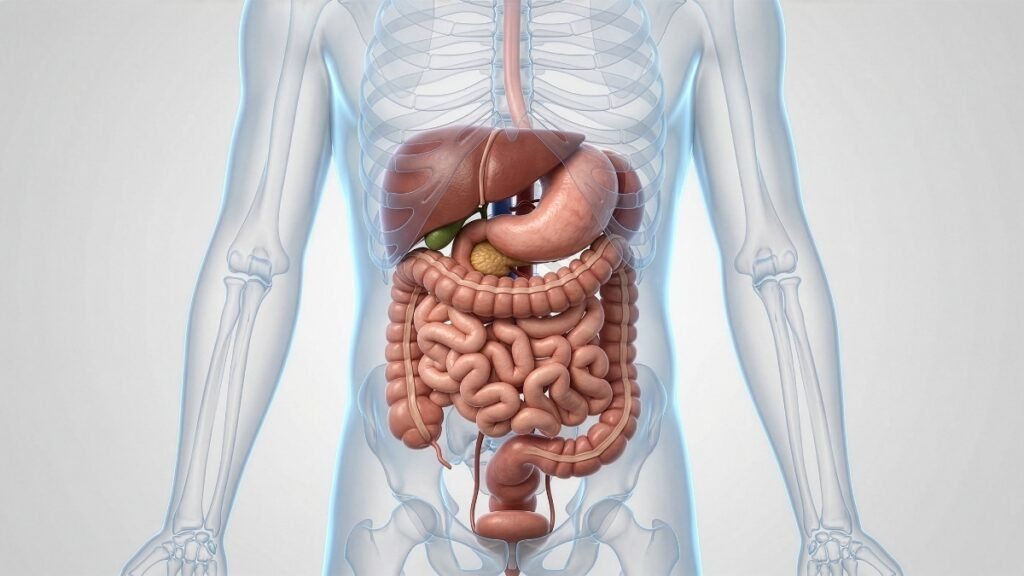
Probiotics work by establishing themselves on the gut lining, occupying niches that might otherwise be taken by harmful microbes. This Best Probiotics for Gut Health colonization reduces pathogen attachment and creates a more resilient microbial community that resists disruption.
They also compete for nutrients and secrete antimicrobial compounds like bacteriocins, lowering pathogen numbers and shifting the ecosystem back toward health. Clinical trials show that Lactobacillus rhamnosus GG and Saccharomyces boulardii rank among the Best Probiotics for Gut Health when outcomes like reduced diarrhea and lower pathogen load are measured.
Metabolite production is a third pillar, with short chain fatty acids and other molecules feeding colon cells, lowering luminal pH, and signaling immune cells. These Best Probiotics for Gut Health metabolites strengthen the epithelial barrier and support nutrient absorption, which helps relieve bloating and irregularity while promoting long term balance.
| Strain | Primary mechanism | Immune or gut benefit |
|---|---|---|
| L. rhamnosus GG | Colonization and bacteriocin production | Reduced infectious diarrhea, barrier support |
| B. infantis | Competition and SCFA production | Less bloating, improved motility |
| S. boulardii | Pathogen neutralization and immune signaling | Lowered pathogen impact, mucosal protection |
Immune modulation at the mucosal and systemic levels
Probiotics interact directly with gut associated lymphoid tissue, increasing secretory IgA production and tuning dendritic cell responses. Choosing clinically proven strains is central to finding the Best Probiotics for Gut Health because not all microbes trigger the same immune pathways.
They also promote regulatory T cell activity and balance pro inflammatory signals, which reduces chronic low grade inflammation that drives many digestive symptoms. When you pick targeted blends, you get measurable increases in secretory IgA and regulatory T cell activity with the Best Probiotics for Gut Health.
Systemically, microbial metabolites travel beyond the gut to influence liver and systemic immune tone, helping your body respond more appropriately to threats. Practical selection tips help you move from symptoms to resilience with the Best Probiotics for Gut Health.
Start by prioritizing clinical evidence and strain specificity to choose a product that matches your needs, Best Probiotics for Gut Health, and then learn how to pick formulations and dosages for lasting benefit in the next section.
Key Probiotic Genera and Clinically Proven Species
Choosing targeted strains matters because not all microbes deliver the same effects. Clinically tested organisms form the backbone of the Best Probiotics for Gut Health approach, helping restore balance, reduce symptoms, and support immunity. Below are the major genera and the species you should look for in products that work.
Lactobacillus strains and typical benefits (e.g., L. rhamnosus GG, L. plantarum)
Lactobacillus species are often the first line for bloating, mild diarrhea, and post-antibiotic recovery. L Best Probiotics for Gut Health. rhamnosus GG has strong clinical evidence for reducing antibiotic-associated diarrhea, while L. plantarum supports gut barrier function and comfort. Include these strains when you want fast relief and better day-to-day digestion.
Many multi-strain formulas combine Lactobacillus with other genera to boost resilience, and choosing specific strains can optimize outcomes for IBS and recurrent upset, aligning with Best Probiotics for Gut Health recommendations.
Bifidobacterium strains for bowel regularity and immune support
Bifidobacterium species colonize the colon and are excellent for regularity and immune modulation. B Best Probiotics for Gut Health. longum and B. infantis have clinical backing for easing constipation and calming IBS symptoms, they also promote short-chain fatty acid production which nourishes colon cells.
Products that list colony-forming units by strain and provide clinical study references match the Best Probiotics for Gut Health criteria many experts recommend.
| Strain | Primary Benefit | Clinical Use |
|---|---|---|
| L. rhamnosus GG | Antidiarrheal, immune support | Antibiotic-associated diarrhea, traveler’s diarrhea |
| L. plantarum | Gut barrier, gas reduction | IBS symptom relief |
| B. longum / B. infantis | Regularity, anti-inflammatory | Constipation, IBS |
| S. boulardii | Yeast-based diarrhea control | Antibiotic-associated and acute diarrhea |
| Bacillus spores | Resilience, survival through stomach | Travel, shelf-stable applications |
Saccharomyces boulardii: yeast-based probiotic uses
Saccharomyces boulardii is a well-studied yeast that counters acute and antibiotic-related diarrhea without colonizing long term. It Best Probiotics for Gut Health acts differently from bacteria, competing with pathogens and modulating immune responses in the gut. Add it when you need targeted diarrhea control and infection resilience.
Bacillus and spore-formers: resilience and niche applications
Bacillus strains are spore-formers that survive heat and stomach acid, making them ideal for travel and for formulas that must be shelf-stable. Some Best Probiotics for Gut Health Bacillus species have demonstrated support for bowel regularity and pathogen suppression in clinical trials. Use them as part of a strategic regimen when durability matters.
With these genera and species in mind, you can choose formulas that match your symptoms Best Probiotics for Gut Health, and goals, and move confidently to dosing, timing, and product selection in the next section.
Dosage, Formulations, and Delivery: What to Look For
Choosing the right dose and format is as important as picking the strain. Evidence shows that dose matters for outcomes, so you want a product that lists colony forming units and cites clinical data. Look for clear labeling and study-backed recommendations for the Best Probiotics for Gut Health when weighing options.
CFU counts and clinically effective dosing ranges
CFU, or colony forming units, indicate how many viable organisms are in each dose. Typical Best Probiotics for Gut Health effective ranges vary widely by strain and condition, commonly spanning from 1 billion to 100 billion CFU per day, with many studies clustering around 5 to 50 billion for symptomatic relief.
Always match the CFU to the research for your condition, and prefer products that guarantee CFU at expiration, not just at manufacture, to ensure you receive an effective amount for the Best Probiotics for Gut Health.
| Condition | Typical CFU Range | Notes |
|---|---|---|
| Everyday maintenance | 1–10 billion | Lower doses often suffice for general balance |
| IBS, diarrhea | 10–50 billion | Higher, multi-strain formulas are commonly tested |
| Antibiotic recovery | 10–100 billion | Short-term higher doses may speed recolonization |
Single-strain vs. multi-strain products: pros and cons
Single-strain supplements make it easier to match a clinical study and isolate effects, they are ideal when a specific strain is proven for your issue. Multi Best Probiotics for Gut Health-strain blends aim for broader coverage and may synergize, but they can obscure which organism is doing the work.
Consider your goals, and pick the Best Probiotics for Gut Health that align with evidence. If you need targeted relief, choose a single strain with trials, if you want resilience, a well-formulated multi-strain option can be motivating and practical.
Delivery formats: capsules, powders, fermented foods, enteric coatings and synbiotics
Capsules and powders are convenient and precise, powders work well for higher-dose servings and for children or pets. Fermented Best Probiotics for Gut Health foods provide live cultures with nutritional benefits, but their counts are variable and less standardized than supplements.
Enteric coatings protect organisms through stomach acid and can improve survival to the gut, while synbiotics combine prebiotics and probiotics to support colonization. For best results choose formulations that guarantee potency and proper storage for the Best Probiotics for Gut Health.
Armed with dosing, strain, and delivery knowledge, you will be ready to compare products and move on to selecting strains tailored to your symptoms and goals.
Safety, Side Effects, and Populations That Need Caution
Probiotics can be powerful allies, but safety matters. Anyone considering supplements should understand common, usually mild effects, who may need extra caution, and when to stop use. With Best Probiotics for Gut Health the right approach you can minimize risks and keep moving toward better digestion and resilience.
Common transient effects (bloating, gas) and mitigation strategies
Mild bloating, gas, and temporary changes in stool are the most frequent responses when starting probiotics. These effects typically fade within a week as your microbiome adjusts. Start with a lower dose and increase gradually to reduce discomfort, especially when introducing strains described among the Best Probiotics for Gut Health.
Eating probiotic-rich foods along with supplements and taking them with meals often helps. If Best Probiotics for Gut Health symptoms persist beyond two weeks, switch strains or pause and consult your clinician.
| Symptom | Typical onset | Mitigation |
|---|---|---|
| Bloating, gas | 1–7 days | Lower dose, take with food |
| Loose stools | 1–14 days | Hold dose, hydrate, try different strain |
| Allergic reaction | Immediate | Stop and seek care |
Risks for immunocompromised individuals and hospitalized patients
People with weakened immune systems, central venous catheters, or those recently hospitalized face higher risks of invasive infections. Reports of probiotic-related bacteremia and fungemia are rare but real, and clinicians often advise caution before recommending the Best Probiotics for Gut Health to such patients.
Discuss benefits and risks with your healthcare team, and avoid self-prescribing in critical care settings.
Potential interactions with medications and when to pause use
Probiotics can interact indirectly with medications. Antibiotics may inactivate live strains, and immunosuppressants increase infection risk when live microbes are present. If you take multiple prescriptions, talk to your doctor about how the Best Probiotics for Gut Health may interact with your regimen.
Pause probiotics before major surgery, during severe neutropenia, or if you develop signs of systemic infection. Always Best Probiotics for Gut Health inform your provider that you are using them so they can advise timing and safety.
With careful choices and medical guidance you can reduce side effects and harness benefits, read on to learn how to choose strains and dosing that match your goals.
Combining Probiotics with Diet: Prebiotics, Fiber, and Timing
Prebiotic foods and fibers that support probiotic growth
Feed your beneficial microbes with targeted foods that contain inulin, resistant starch, and fructooligosaccharides. Garlic Best Probiotics for Gut Health, onions, leeks, asparagus, bananas, oats, and cooked then cooled potatoes are reliable choices that help probiotic strains thrive when you take them alongside meals.
Pairing these fibers with a probiotic supplement enhances colonization and resilience, especially for formulas already recognized as the Best Probiotics for Gut Health in clinical studies. Over weeks, this combination can reduce bloating and improve regularity.
| Prebiotic Food | Key Fiber | How it Supports Probiotics |
|---|---|---|
| Garlic and onions | Inulin | Promotes Bifidobacteria growth and short chain fatty acid production |
| Cooked and cooled potatoes | Resistant starch | Feeds butyrate producers and supports gut barrier health |
| Oats and barley | Beta-glucans | Encourages microbial diversity and immune modulation |
| Bananas and leeks | Fructooligosaccharides | Boosts bifidobacteria levels when taken consistently |
Best timing: with meals, between doses, and around antibiotics
Most evidence suggests taking probiotics with or just after a meal improves survival through the stomach, particularly with a carbohydrate or fat-containing snack. This helps many widely studied blends to reach the intestine intact, and it benefits the Best Probiotics for Gut Health when the goal is effective colonization.
If you split doses, space them several hours apart to maintain steady levels. When Best Probiotics for Gut Health antibiotics are necessary, start probiotics during treatment and continue for at least two weeks after, focusing on strains proven to reduce antibiotic-associated diarrhea and support recovery of the microbiome.
Lifestyle factors, sleep, stress, and exercise, that influence effectiveness
Sleep quality, chronic stress, and physical activity shape the gut environment and the benefits you get from supplements. Poor Best Probiotics for Gut Health sleep and high stress can reduce probiotic effects, while regular moderate exercise supports microbial diversity and gut motility.
Optimize routines by prioritizing 7 to 9 hours of sleep, using stress reduction techniques, and moving daily. These steps amplify the results of targeted products, helping the Best Probiotics for Gut Health deliver more consistent symptom relief.
Next, we will examine how to choose specific strains and read supplement labels to match your goals.
Selecting High-Quality Probiotic Products: Labels and Testing
Choosing a probiotic is about more than brand hype, it is about reading labels and verifying science. Look for clear strain names, CFU counts, and clinical references on the label to help you identify the Best Probiotics for Gut Health in a crowded market.
Identifying clinically studied strains and evidence-backed claims
Start by prioritizing products that list strain-level identification, such as Lactobacillus rhamnosus GG or Bifidobacterium infantis 35624, and cite clinical trials. Those Best Probiotics for Gut Health specific strains have been tested for conditions like IBS, antibiotic-associated diarrhea, and bloating, and this evidence distinguishes marketed blends from proven options.
Beware vague labels that say “proprietary blend” without individual strain counts. A reliable label will state CFU at time of manufacture and, ideally, at expiration, helping you compare true potency and find the Best Probiotics for Gut Health with documented outcomes.
Third-party testing, viability guarantees, and transparent manufacturing
Third-party certificates from USP, NSF, or independent labs confirm that what’s on the label matches the bottle. Look Best Probiotics for Gut Health for seals or batch testing reports that verify strain identity, absence of contaminants, and viable counts, these assurances reduce risk and increase confidence.
| Verification | What It Confirms | When to Prefer |
|---|---|---|
| Third-party lab testing | Strain ID, CFU, contaminants | Products with clinical claims |
| Manufacturer viability guarantee | CFU at expiration | Long-term supplementation plans |
| GMP compliance | Consistent manufacturing | Higher-risk or specialty formulations |
Transparency about sourcing, production sites, and stability testing is a hallmark of high-quality brands, and it helps you pick the Best Probiotics for Gut Health that will perform as promised.
Storage, shelf-life, and interpreting expiration or potency dates
Storage instructions matter, refrigeration can preserve certain strains, while other formulas are shelf-stable. Check Best Probiotics for Gut Health whether the CFU is guaranteed at time of manufacture or at expiration, the latter is what truly matters for effectiveness.
When labels show CFU at expiration and third-party validation, you are more likely to receive the advertised dose, making it easier to select the Best Probiotics for Gut Health for your needs. Now that you can evaluate labels and testing, let’s explore how to match strains to your specific symptoms in the next section.
Personalized and Next-Generation Approaches to Gut Microbiome Health
When microbiome testing and personalized probiotics may help
If you have struggled with recurring digestive upset, targeted testing can reveal imbalances that generic supplements miss. Stool Best Probiotics for Gut Health and breath tests identify overgrowths, low diversity, or missing keystone species, and a custom approach can address those gaps by matching strains to your unique profile.
Personalized formulations often combine evidence-backed species with dosing tailored to your needs, which increases the chance of meaningful improvement. By matching treatment to diagnosis you are more likely to find the Best Probiotics for Gut Health that reduce bloating, normalize bowel habits, and strengthen resilience over time.
Next-generation options: engineered strains, consortia, and postbiotics
Beyond single strains, next-generation solutions include engineered bacteria, defined microbial consortia, and non-viable metabolites called postbiotics. These innovations target specific functions, like bile acid metabolism, neurotransmitter production, or pathogen exclusion, for outcomes beyond symptom relief.
| Option | What it Does | Best Use Case |
|---|---|---|
| Traditional strains | Restore common beneficial species | General digestive support |
| Personalized blends | Target deficits found on testing | Recurrent symptoms after OTC failure |
| Engineered strains | Deliver specific therapeutic functions | Clinical conditions with defined targets |
| Postbiotics | Provide stable, non-living metabolites | Immunocompromised or shelf-stable needs |
When choosing among these options, focus on clinical evidence and manufacturing quality to identify the Best Probiotics for Gut Health that match your goals and risk profile.
When to consult a gastroenterologist or registered dietitian for advanced care
Seek specialist input for persistent symptoms, weight loss, blood in stool, or if you are immunocompromised. A gastroenterologist can evaluate for inflammatory or structural disease, and a registered dietitian can design diet and supplement strategies that amplify microbiome benefits.
For complex cases, specialists may recommend advanced therapies, supervised trials, or personalized probiotics that are more likely to produce durable change, helping you identify the Best Probiotics for Gut Health that work long term. Next, we will explore actionable steps to implement these strategies in daily life.
FAQ
Which are the Best Probiotics for Gut Health to restore gut balance and immunity?
Research highlights several top strains for restoring balance and supporting immunity, including Lactobacillus rhamnosus, Lactobacillus plantarum, Bifidobacterium longum, Bifidobacterium bifidum, and Saccharomyces boulardii. These strains help outcompete pathogens, strengthen the gut barrier, and modulate immune responses to reduce inflammation. Look for multi-strain formulations that list specific strain IDs and clinically tested CFU counts to maximize benefit. Speak with your healthcare provider to choose a product tailored to your needs.
How do Lactobacillus and Bifidobacterium strains help immune function?
Lactobacillus and Bifidobacterium species support immune function by enhancing the gut barrier, producing metabolites that feed healthy cells, and competing with harmful microbes for resources and attachment sites. They can stimulate production of secretory IgA and promote anti-inflammatory cytokine responses, helping the body respond more effectively to pathogens. Choosing clinically researched strains and consistent daily use increases the likelihood of meaningful immune benefits.
Are Saccharomyces boulardii and Lactobacillus rhamnosus among the Best Probiotics for Gut Health?
Yes, Saccharomyces boulardii and Lactobacillus rhamnosus (especially the GG strain) are widely recognized as effective, evidence-backed probiotics for gut health. S. boulardii is particularly helpful for preventing and treating antibiotic-associated and travel-related diarrhea, while L. rhamnosus GG has strong data for reducing pediatric diarrhea and supporting immune protection. Including one or both in a targeted regimen can deliver reliable, fast benefits when chosen in the right dose and formulation.
How long does it take to see results with the Best Probiotics for Gut Health?
Results vary by person and condition, but many people notice improvements in digestion and regularity within 1 to 4 weeks of daily use. Immune-related benefits or changes in inflammation may take longer, often several weeks to a few months, and consistency is critical to maintain gains. Track symptoms, give a product at least 4 weeks to evaluate, and consult your healthcare provider if you see no improvement or experience adverse effects.
Can probiotics prevent antibiotic-associated diarrhea and boost immunity?
Certain probiotics, notably Saccharomyces boulardii and Lactobacillus rhamnosus GG, have good evidence for reducing the risk of antibiotic-associated diarrhea when taken during and shortly after antibiotic courses. While probiotics can support aspects of immune function by stabilizing the microbiome and reducing inflammation, they are not a standalone cure for infections and work best as part of a broader health strategy. Always choose clinically studied strains and discuss use with your clinician, especially if you are immunocompromised.
What dose and formulation should I choose when seeking the Best Probiotics for Gut Health?
Aim for products that specify strain-level identification and provide clinically supported CFU counts; typical maintenance doses range from 1 to 10 billion CFU daily, while targeted therapeutic regimens may use higher doses (20–100 billion CFU) depending on the condition. Multi-strain formulas can offer broader benefits, and pay attention to storage requirements—some strains need refrigeration while others are shelf-stable. Choose delayed-release capsules or timed-release formats if you need delivery past the stomach, and consult a healthcare provider to match dose and strain to your goals.