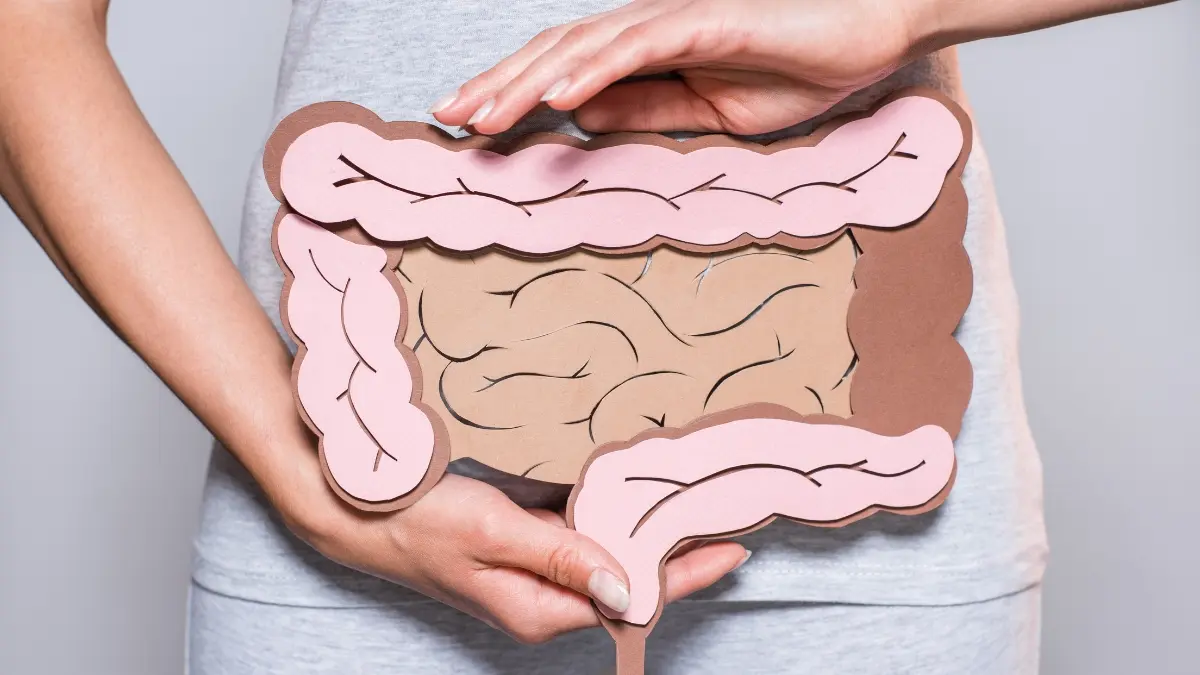
Signs of poor gut health are noticeable changes in digestion, energy, immunity, and mood that suggest your gut microbiome or digestive system may be out of balance — these are often early signs of gut imbalance that many people overlook, and spotting these clues early gives you the power to stop problems before they escalate. Acting on them can restore comfort, reduce inflammation, and bring back the daily energy and confidence you deserve.
Poor gut health shows up through symptoms like bloating, gas, fatigue, irregular bowel movements, and skin issues. These signs often indicate an imbalance in the gut microbiome. Identifying them early helps you take action, improve digestion, and restore energy, preventing more serious health problems over time.
Your gut affects more than digestion, it touches your sleep, mental clarity, skin, and even how you respond to stress, so what starts as bloating or irregularity can quietly erode quality of life. When you feel drained, anxious, or uncertain about your digestion, it’s not just inconvenient — it’s your body signaling that something needs attention.
Common symptoms like persistent bloating, gas, heartburn, unexplained fatigue, and abdominal pain are not normal long-term. They’re warning signs. Changes in bowel habits, such as chronic constipation, diarrhea, or alternating patterns, often precede bigger issues, and acknowledging them early removes the shame and replaces it with actionable steps you can take today.
In this article, I’ll share practical, easy-to-apply guidance that helps identify real red flags and prioritize what to do next, whether that means diet tweaks, simple lifestyle shifts, or when to seek professional care. Next you will learn why gut health matters for your overall wellbeing, the most Common digestive symptoms that signal a problem, and which changes in bowel habits to monitor closely so you can spot issues before they worsen and regain control of your health. Keep reading to turn unclear discomfort into a clear plan and better understand the most important digestive health warning signs.
Why Gut Health Matters for Your Overall Wellbeing (Digestive Health Basics)
Your gut affects more than digestion, it is a central hub that influences energy, immunity, mood, and even your skin. When your digestive system is balanced, you feel lighter, clearer, and more capable of tackling daily goals — and you’ll notice the connection between gut health and energy levels more clearly. Recognizing early clues lets you take control and prevent small issues from turning into chronic problems.
Pay attention to persistent bloating, irregular bowel movements, unexplained fatigue, or mood swings, because these are often clear gut health warning signs. These signals mean your microbiome may be out of balance, or inflammation is interfering with nutrient absorption, and both reduce your resilience and zest for life.
Gut troubles also show up as frequent colds, stubborn skin breakouts, or food intolerances, and the right actions can reverse that trend. Simple shifts in diet, stress management, and targeted probiotics can restore comfort, reduce inflammation, and bring back the daily energy and confidence you deserve.
| What you feel | Possible gut-related cause | Quick action |
|---|---|---|
| Bloating or gas | Imbalanced microbiome or food intolerance | Track meals, try elimination, consider digestive enzymes |
| Low energy | Poor nutrient absorption | Increase fiber, add fermented foods, check vitamin levels |
| Frequent infections | Weakened immune response | Support with prebiotics, sleep, and stress reduction |
Spotting these warning signs early gives you the power to change course, because addressing the root restores balance and prevents escalation. Keep track of what improves, and be ready to make targeted changes when the digestive health signals appear, so you can reclaim daily comfort and confidence.
Next, we’ll look at practical steps you can take today to support a healthier gut and boost overall wellbeing.

Common digestive symptoms that signal a problem
Bloating and excess gas
Feeling uncomfortably full or swollen after meals is more than an occasional nuisance, it can be a clue that your digestion is struggling. Persistent bloating, especially when it happens daily or worsens after certain foods, is one of the clearest signs of poor digestion and deserves attention gut imbalance symptoms that deserves attention.
Gas that is frequent, foul-smelling, or accompanied by belching and visible abdominal distention often points to imbalanced gut bacteria, food intolerances, or slowed digestion. Tracking triggers and timing gives you the power to make targeted changes and feel lighter fast.
Constipation and straining
Irregular bowel habits and hard, difficult-to-pass stools reduce comfort and sap energy. Constipation that requires straining, that leaves you feeling incomplete, or that persists for weeks signals a disruption in gut motility or fiber balance.
Improving hydration, fiber diversity, and movement often helps, but chronic difficulty can reflect low microbial diversity or medication effects. Don’t ignore repeated episodes — address them early to avoid escalating inflammation and discomfort.
Diarrhea and urgency
Loose stools, sudden urgency, and frequent trips to the bathroom are red flags for infection, inflammation, or poor digestion. When diarrhea is recurrent or paired with weight loss, fatigue, or blood, it can indicate a more serious imbalance.
Short-term episodes sometimes resolve with diet adjustments, but persistent urgency should prompt evaluation to restore normal absorption and protect nutrient status.
Recurring abdominal pain
Cramping or sharp pains that come back regularly are a signal your gut needs help. Pain that disrupts sleep or daily life, or that follows meals, is among the most important early gut health issues to investigate.
Identifying patterns, such as links to specific foods or stress, helps target solutions and reduce flareups so you can regain comfort and confidence.
| Symptom | Possible causes | When to see a doctor |
|---|---|---|
| Bloating & gas | Food intolerances, dysbiosis, slow digestion | Daily, severe, or weight loss |
| Constipation | Low fiber, dehydration, medication effects | Prolonged or with bleeding |
| Diarrhea | Infection, inflammation, malabsorption | Persistent or with fever |
| Abdominal pain | IBS, ulcers, inflammatory conditions | Severe or worsening |
Recognizing these patterns early lets you act decisively and reclaim daily comfort, read on to learn practical steps to improve gut balance in the next section.
What Your Stool Reveals About Gut Function (Gut Health Indicators)
Your stool is a practical window into digestion and the microbiome, often reflecting gut microbiome imbalance symptoms before other issues appear. Noticing patterns gives you control, letting you act before problems get worse. Small changes often precede fatigue, inflammation, and lower immunity, so paying attention is empowering.
Bristol Stool Chart: consistency clues
The Bristol Stool Chart classifies stools from hard, separated pellets to entirely liquid, and each type points to different transit times and microbial activity. A sudden shift to very hard or very watery stools can be one of the clearest gut health warning signs, especially when it persists for several days.
| Type | Consistency | What it suggests | Action |
|---|---|---|---|
| 1-2 | Hard, lumpy | Slow transit, low fiber, potential dysbiosis | Increase fiber, hydrate, consult if chronic |
| 3-4 | Well-formed, easy to pass | Healthy transit and balance | Maintain diet and habits |
| 5-7 | Loose to watery | Fast transit, irritation, infection | Rehydrate, evaluate triggers, see provider if severe |
Color changes and what they mean
Color offers quick clues about digestion and liver function. Pale or clay-colored stools may indicate bile flow problems, while very dark or black stools can mean bleeding higher in the gut. These color changes are common digestive health signals, and they deserve prompt attention when new or persistent.
Presence of blood, mucus, or oily stools
Blood or mucus is never normal and signals inflammation, infection, or hemorrhoids. Oily, floating stools suggest fat malabsorption, which could mean pancreatic, biliary, or intestinal problems. Any of these findings call for medical evaluation, especially if accompanied by weight loss, pain, or fever.
Learning to recognize these signs gives you more control over your digestion, reduce inflammation, and reclaim daily energy. Keep observing and we will next explore actionable steps to restore gut balance.
Systemic Signs That Point to Poor Gut Function (Whole-Body Gut Symptoms)
Unexplained fatigue and low energy
When your gut is out of balance, digestion and nutrient absorption suffer, and your body loses fuel — one of the most common symptoms of unhealthy gut function. You might wake up tired, drag through afternoons, or rely on caffeine to get by.
Fatigue that does not respond to sleep or lifestyle tweaks often points to disrupted microbiome activity. These patterns are frequently overlooked, yet they are classic gut imbalance symptoms when paired with other complaints.
Skin issues: acne, eczema, rashes
Skin reacts fast to internal inflammation, and persistent breakouts or eczema flare-ups can trace back to the gut. Imbalanced bacteria and increased intestinal permeability can trigger immune responses that surface on your skin.
Below is a quick comparison to help you connect outward symptoms with likely gut-related causes.
| Skin Symptom | Possible Gut-Related Cause | What to Watch For |
|---|---|---|
| Acne | Imbalanced microbiome and inflammation | Recent diet changes, bloating, irregular stools |
| Eczema | Immune overactivity from gut permeability | Seasonal flares, food sensitivities |
| Rashes | Allergic reactions and dysbiosis | New skincare or foods, chronic gut issues |
Brain fog, mood changes, and anxiety
Your gut and brain talk constantly through nerves, metabolites, and immune signals. When that conversation goes off track, concentration slips, memory falters, and mood becomes unstable.
Noticeable shifts in focus, motivation, or rising anxiety often appear alongside digestive complaints. These are actionable Signals, and they belong on the checklist of early gut health issues because restoring balance can lift mood and sharpen thinking.
Nutrient deficiency symptoms (iron, B12, vitamin D)
Cravings, pale skin, numbness, or frequent colds can be signs that your gut is not absorbing key nutrients. Iron and B12 deficits affect energy and nerves, while low vitamin D undermines immunity and mood.
Testing and targeted support can restore levels faster than you expect, and addressing gut function is the foundation of lasting recovery. Keep tracking symptoms and lab results as you make changes, because objective improvement is your proof of progress.
With these systemic clues in mind, you are ready to explore practical steps to rebalance your gut and reclaim energy, skin clarity, and mental focus.
You might also like to read about: Chronic Constipation Relief: 7 Proven Ways to Restore Healthy Bowel Movements Naturally

Signs of Microbiome Imbalance and Food Intolerances (Gut Imbalance Symptoms)
Consistent bloating or gas after specific foods
When you notice bloating or gas shortly after eating the same foods, your body is sending a clear alert. Pay attention to the consistency of symptoms, the types of foods involved, and whether reactions are immediate or develop over hours.
Keep a simple log of meals and symptoms for two weeks — a simple gut health checklist like this reveals patterns more clearly than isolated incidents, and tracking is one of the most actionable gut health warning signs.
Cramping, reflux, or delayed symptoms suggesting SIBO
Cramping and reflux can point to small intestinal bacterial overgrowth when symptoms start hours after a meal rather than immediately. Delayed bloating, pain, or excessive belching are classic red flags that warrant further investigation.
If these symptoms persist, discuss breath testing or targeted evaluation with a clinician, because recognizing these patterns early often shortens the path to relief and confirms key digestive health signals.
Pattern recognition: trigger foods and timing
Recognizing triggers means looking at both what you eat and when symptoms occur. Immediate reactions suggest intolerance or sensitivity, while delayed responses often implicate fermentation or dysbiosis in the gut.
| Timing | Likely cause | What to do next |
|---|---|---|
| Within 30–60 minutes | Food intolerance or enzyme issue | Try elimination and enzyme support |
| 2–8 hours later | Fermentation, SIBO, or dysbiosis | Record patterns, consult testing |
| Persistent or daily | Chronic imbalance or inflammation | Seek professional evaluation |
Once you can name and track these signals, you gain the power to act, and next we’ll look at practical tests and targeted steps to confirm and correct these imbalances.
Serious Gut Health Warning Signs That Require Medical Attention
Don’t shrug off sudden, severe symptoms. When gut trouble shifts from annoying to alarming, quick action can prevent lasting damage and complications. Recognizing the difference between common discomfort and true emergencies is part of knowing your body and the early gut health issues in a timely way.
Severe or worsening abdominal pain
Intense, escalating pain that does not ease with rest or OTC medication can signal bowel obstruction, perforation, or ischemia. If pain is sharp, localized, or accompanied by swelling and an inability to pass gas, seek emergency care right away. Imaging and blood tests are often required to identify life-threatening causes and start immediate treatment.
Rectal bleeding or black/tarry stools
Any bleeding from the rectum or the appearance of black, tarry stools indicates internal bleeding in the GI tract and warrants prompt evaluation. Bright red blood may come from lower sources, while black stools suggest bleeding higher up. Contact your healthcare provider or go to the ER, especially if bleeding is heavy, recurrent, or paired with dizziness or fainting.
High fever, persistent vomiting, or rapid weight loss
A high fever combined with continuous vomiting or fast, unintentional weight loss points to severe infection, inflammation, or malabsorption that needs urgent assessment. Dehydration and electrolyte imbalance can develop quickly, so do not wait. Rapid evaluation will help restore balance and prevent complications that undermine recovery.
| Symptom | Urgency | Immediate Action |
|---|---|---|
| Severe abdominal pain | High | ER visit, imaging |
| Rectal bleeding / black stools | High | Urgent evaluation, lab tests |
| High fever / persistent vomiting / rapid weight loss | High | Medical assessment, IV fluids |
These warning signs deserve fast attention and will help you take back control when your body is signaling danger, clear examples of Signs of Poor Gut Health that should not be ignored. Read on to learn practical steps for stabilization and follow up care.

Conclusion
Reflecting on what I learned about gut health, I see how closely it ties to my overall wellbeing, and I understand that small changes often point to bigger issues. I have learned to watch for common digestive symptoms like bloating, persistent discomfort, and shifts in bowel habits, and I know that stool changes and systemic signs such as fatigue or unexplained skin problems matter too. These insights help me connect symptoms to possible gut dysfunction, and they remind me that paying attention early can prevent problems from getting worse.
For practical next steps, I start by keeping a simple symptom diary where I note frequency, consistency, color, and any pain or bloating after meals, I track diet, stress, sleep, and activity because these shape gut function, and I make gradual changes like increasing fiber with whole foods, staying well hydrated, and adding fermented foods I tolerate.
I also prioritize stress management through short breathing breaks and better sleep, while learning how to improve gut health naturally through consistent habits, I avoid long periods of fasting or extreme diets without guidance, and I seek professional assessment when symptoms are persistent, severe, or accompanied by weight loss or blood in stool.
In the end, I feel empowered to listen to my body and act on what I notice, I know that awareness and steady, sensible habits can improve gut health over time, and I accept that progress may be slow but meaningful. By staying observant and taking practical steps, I can support my gut health and improve my overall wellbeing over time.
FAQ
What are the most common signs of poor gut health?
The most common signs of poor gut health include persistent bloating, gas, irregular bowel movements, fatigue, and skin issues. These symptoms often point to an imbalance in the gut microbiome or inflammation affecting digestion and nutrient absorption, and they tend to appear early before more serious digestive conditions develop.
How do you know if your gut microbiome is out of balance?
You may have a gut imbalance if you experience frequent bloating, food intolerances, brain fog, or unexplained fatigue. These signs suggest disrupted microbial diversity and poor digestion. Tracking symptoms alongside meals and stress levels can help identify patterns and confirm whether your gut health needs attention.
Why does poor gut health cause fatigue and low energy?
Poor gut health affects how your body absorbs nutrients like iron and vitamin B12, which are essential for energy production. When digestion is impaired, your cells receive less fuel, leading to persistent tiredness even with adequate sleep, making fatigue a common early warning sign of gut dysfunction.
When should you worry about gut health symptoms?
You should be concerned when symptoms like abdominal pain, diarrhea, or constipation persist for weeks or worsen over time. Red flags such as blood in stool, unexplained weight loss, or severe fatigue require prompt medical evaluation, as they may indicate underlying gastrointestinal conditions that need treatment.
Which bowel changes indicate poor gut health?
Changes such as chronic constipation, frequent diarrhea, or alternating patterns often signal poor gut health. Stool that is consistently very hard, loose, or unusual in color can indicate imbalanced digestion, inflammation, or microbiome disruption, especially when these patterns persist beyond a few days.
Who is most at risk of developing poor gut health?
People with high stress, poor diet, low fiber intake, frequent antibiotic use, or inadequate sleep are at higher risk of poor gut health. These factors disrupt the gut microbiome and digestive function over time, increasing the likelihood of symptoms like bloating, fatigue, and irregular bowel habits.
Affiliate Disclosure and Health Information Disclaimer: This article may contain affiliate links. If a purchase is made through these links, a commission may be earned at no additional cost to the reader. The content is provided for informational and educational purposes only and reflects independent research based on scientific literature, ingredient analysis, and publicly available health information. Supplements and wellness strategies discussed in this article should be viewed as supportive tools rather than substitutes for professional medical care. Readers with medical conditions or those taking medications should consult a qualified healthcare professional before making significant changes to their health routine.

Marcelo Carter is the founder and author behind Supplements Fit, where he shares supplement reviews, wellness insights, and healthy lifestyle content. Passionate about health and fitness, Marcelo spends his time researching ingredients, analyzing products, and creating beginner-friendly articles designed to help readers make smarter and more confident wellness decisions online.