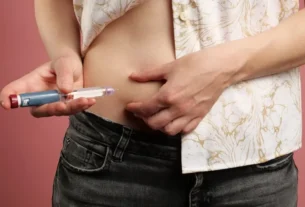
Foods that help lower blood sugar quickly are typically whole, minimally processed options that reduce glucose spikes by slowing carbohydrate absorption and improving insulin response. The best choices include fiber-rich vegetables, lean proteins, healthy fats, and fermented foods like vinegar, which can begin lowering blood glucose within hours while supporting more stable energy levels throughout the day.
When you eat, carbohydrates break down into glucose and enter your bloodstream, triggering insulin to move that fuel into your cells. However, high-glycemic foods, stress, and poor satiety can cause blood sugar to spike quickly. If you have felt the anxiety of a sudden spike, the afternoon crash, or the fear that your numbers are out of control, small, strategic food choices can help stabilize those spikes.
Foods that combine fiber, protein and healthy fats slow absorption, and particular staples like vinegar, cinnamon, legumes and nuts can blunt peaks quickly, giving you steadier energy and a calmer mind. This article connects the science to real food choices, helping you feel empowered rather than overwhelmed, and can make swaps that fit your life and taste buds.
Read on and you will get clear, practical value: a concise explanation of how blood glucose rises and what “rapid reduction” really means, the nutritional principles that produce fast drops, and a ranked list of the top natural foods shown to lower blood sugar quickly. I will also preview simple snack and meal swaps, timing tips, portion guidance and research-backed servings so you can act immediately. By the end you will have an actionable shortlist and quick recipes to try today, so you can start lowering your levels safely and confidently.
Best Foods to Lower Blood Sugar Quickly
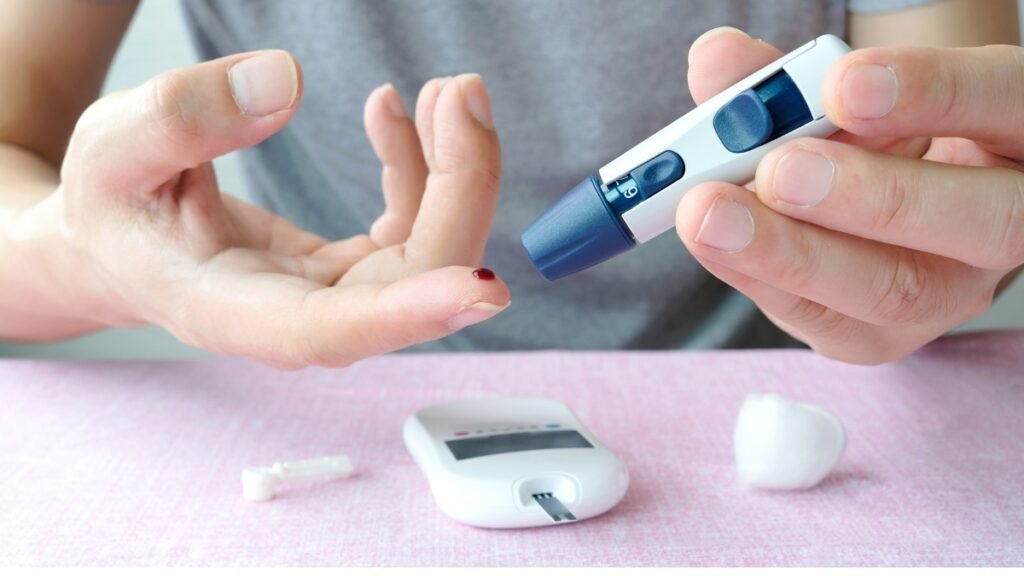
How blood glucose rises and what ‘rapid reduction’ means
When you eat, carbohydrates break down into glucose and enter your bloodstream. The speed and size of that rise depend on the type of carbohydrate, the portion, and what else is on your plate.Choosing the right foods can blunt those spikes by slowing absorption and improving the body’s immediate response.
Postprandial glucose spikes
Postprandial spikes are the rises in blood glucose that occur within the first one to three hours after a meal. Simple carbs and large portions cause sharp peaks, while fiber, protein, and healthy fats slow digestion and flatten the curve. Incorporating vinegar or fermented foods before or during a meal can reduce the height of the spike, which is why these foods are often included strategically in meals.
Glycemic index vs glycemic load
Glycemic index, or GI, ranks foods by how quickly they raise blood glucose per gram of carbohydrate. Glycemic load adjusts for portion size, which tells the real world effect on your blood sugar. Focus on low GI and low GL choices for steady control, a strategy that helps guide smarter food choices for better glucose control.
| Food | GI | Portion / GL | Quick effect on glucose |
|---|---|---|---|
| Leafy greens | Low | Large / Low | Blunts spike within 1-2 hours |
| Berries | Low | Moderate / Low | Moderate reduction in hours |
| White bread | High | Small / Moderate | Rapid spike, slower fall |
Role of insulin and glucagon
Insulin is the hormone that helps cells take up glucose, lowering blood sugar after meals. Glucagon does the opposite, releasing stored glucose when levels drop. Improving insulin sensitivity with lean protein, healthy fats, and fermented foods boosts the hormone response, one reason people focus on specific foods for faster, safer glucose control.
Rapid reduction in blood sugar usually means a meaningful drop within hours, not minutes, and typically a manageable decrease like 10 to 30 mg/dL depending on starting levels and medications. For many people, a 20 to 30 mg/dL reduction within a few hours is realistic when using targeted food strategies, and that sets the stage for practical meal plans in the next section.
Nutritional principles that lower blood sugar quickly
When you eat, carbohydrates break down into glucose and enter your bloodstream, and smart food choices can blunt that rise. Whole, minimally processed items act fast, and including fiber, protein, healthy fats and fermented or acidic foods helps you control peaks. For example, pairing a starch with fiber or vinegar can make a measurable difference, and these foods are easy to include in daily meals.
Soluble fiber and slowed absorption
Soluble fiber is one of the best foods to stabilize blood sugar because it forms a gel in the gut that slows carbohydrate digestion, smoothing the glucose curve after a meal. Oats, beans, psyllium and many fruits fit this role, and studies show improvements within hours. Add a bowl of steel-cut oats or a legume salad to reduce spikes, and remember they work best when combined with other stabilizing foods.
Protein and healthy fats to blunt spikes
Protein and monounsaturated fats are key foods that lower blood sugar naturally because they slow gastric emptying and prompt a more balanced insulin response, helping prevent sharp highs. Try grilled salmon, eggs, nuts or avocado with your carbohydrate source, because combining protein or fat with starches is a simple strategy. These mix-and-match choices are highly effective when used consistently.
Acids (vinegar) and enzyme effects
Acetic acid in vinegar reduces the activity of digestive enzymes and slows glucose absorption, often lowering postmeal spikes by a noticeable margin. A splash of apple cider vinegar on a salad or a small fermented side can change the glycemic impact of a meal, so include them regularly. That practical trick is something you can start using right away.
Polyphenols and carbohydrate digestion
Polyphenols found in berries, cinnamon, green tea and dark chocolate inhibit enzymes that break down starch, and they reduce intestinal sugar uptake. Sprinkle cinnamon on oatmeal or sip green tea with dessert, small moves that lower incremental glucose. These flavorful items are powerful additions for glucose control and boost both taste and control.
| Food group | How it helps | Examples |
|---|---|---|
| Soluble fiber | Slows absorption | Oats, beans, psyllium, apples |
| Protein & healthy fats | Blunts spikes, improves insulin response | Fish, eggs, nuts, avocado, olive oil |
| Acids & fermented | Reduces enzyme activity, slows emptying | Vinegar, pickles, yogurt, kimchi |
| Polyphenols | Inhibits carb digestion | Berries, cinnamon, green tea, cocoa |
These principles form a toolkit you can apply at every meal, and in the next section you will see specific meal templates that put them into practice.
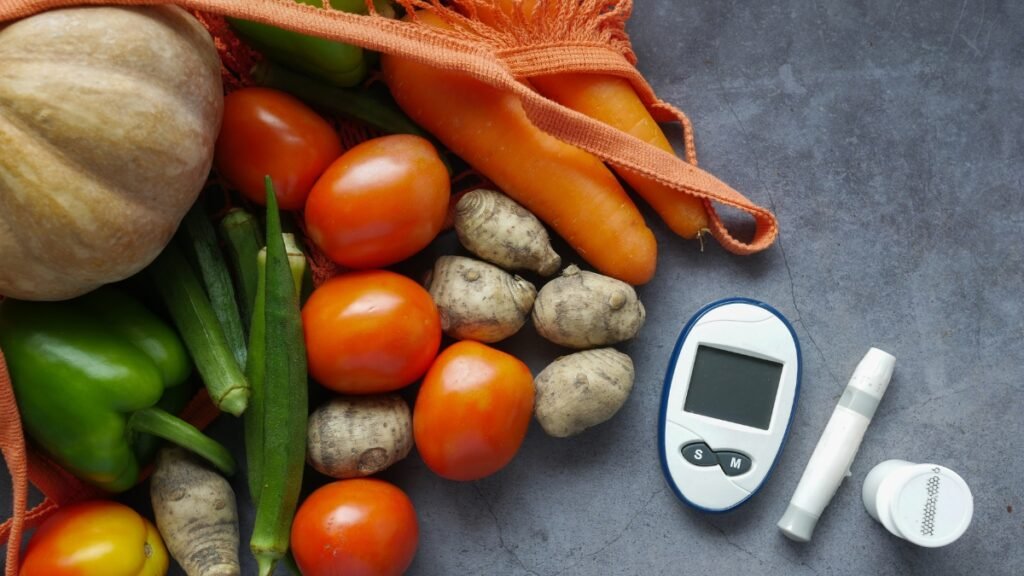
Quick beverages that reduce post‑meal glucose
Drinks can be fast, practical allies against post‑meal glucose spikes. When chosen and prepared correctly, simple beverages blunt carbohydrate absorption and support insulin response, fitting into a strategy that works effectively after meals.
Vinegar drinks (how to prepare safely)
Vinegar, especially apple cider vinegar, is highly effective because it slows stomach emptying and reduces post-meal blood sugar rises when diluted and consumed with meals. Mix 1 tablespoon in 8 to 12 ounces of water, stir in a squeeze of lemon for flavor, and sip with or just after your meal. This method positions vinegar drinks among the Best Foods to Lower Blood Sugar Quickly without risking tooth enamel or reflux.
Always dilute vinegar, never drink it straight, and limit to 1 or 2 tablespoons per day. People on diabetes medication, with GERD, or with kidney concerns should check with a clinician before regular use.
Unsweetened green tea and coffee
Both green tea and coffee contain polyphenols that improve insulin sensitivity and reduce glucose spikes when consumed plain. Aim for unsweetened, no syrup versions, and avoid adding sugary creamers. Enjoying a cup with or shortly after a meal makes them a useful part of your glucose-control toolkit.
Limit caffeine late in the day if it disrupts sleep, and prefer brewed versions over instant sugary mixes. If you crave flavor, add cinnamon or a splash of unsweetened nut milk sparingly.
Low‑sugar vegetable smoothies with intact fiber
Smoothies that keep vegetable fiber intact blunt glucose far better than juice. Use a base of leafy greens, cucumber, celery, and a small handful of low‑sugar berries, add a source of protein or healthy fat, and blend briefly to preserve texture. These low‑sugar vegetable smoothies are highly effective when made this way.
Avoid fruit juice, limit high‑sugar fruits, and portion your smoothie, to about 8 to 12 ounces to control carbohydrate load.
| Drink | How to prepare | Effect on glucose | Caution |
|---|---|---|---|
| Apple cider vinegar drink | 1 tbsp ACV in 8–12 oz water, lemon optional | Reduces post‑meal spike | Dilute, limit use, check medications |
| Unsweetened green tea | Brewed, no sugar | Improves insulin action | May affect iron absorption |
| Black coffee | Brewed, plain | May lower glucose spikes | Watch caffeine |
| Low‑sugar vegetable smoothie | Whole veggies, small berries, protein/fat | Slows absorption, preserves fiber | Avoid juices, control portion |
Use these beverages consistently after meals to reinforce your meal plan and prepare to explore solid food strategies that further lower post‑meal glucose in the next section.
You might like this too: Blood Sugar Spikes: 7 Positive Prevention Strategies Backed by Research
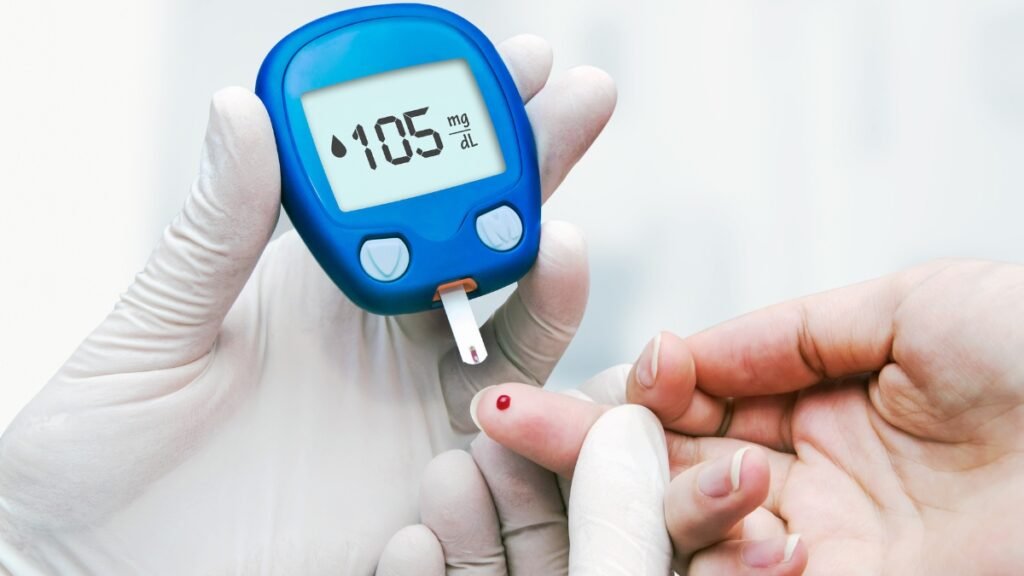
Snack and meal combinations for immediate glucose control
Pairing carbohydrates with protein and fat
Combining a carbohydrate with a source of protein and a healthy fat slows digestion and blunts the glucose spike you would get from carbs alone. For example, pairing an apple with almond butter or whole-grain crackers with hummus creates a slower, steadier release of sugar into the bloodstream, and these combinations work especially well when chosen thoughtfully.
Protein and fat also improve satiety, so you are less likely to overeat refined carbs later. Choose lean proteins like Greek yogurt or grilled chicken and healthy fats such as avocado or olive oil. That mix supports insulin response and makes small meals work more effectively at lowering postprandial numbers, and it can help you use the Best Foods to Lower Blood Sugar Quickly every day.
Timing, portion control, and meal order
When you eat matters as much as what you eat. Start meals with a salad or nonstarchy vegetables, then add protein and fats, and finish with starchy carbs if desired. Eating in that order reduces the immediate rise in blood glucose and makes portion control more effective, especially when focused on balanced food choices.
Keep portions moderate, aim for consistent spacing between meals, and avoid large late-night carbohydrate loads. Small, balanced snacks between meals can prevent blood sugar dips and curb cravings for high-glycemic items that undo progress toward lowered glucose levels.
Examples for minimizing postprandial rise
Practical combinations work best. Try: a small apple with two tablespoons of peanut butter, cottage cheese with cucumber slices, or a hard-boiled egg and half an avocado. Each pairs carbs with protein and fat to reduce the peak after eating, especially when focusing on balanced combinations.
| Snack/Meal | Carb | Protein/Fat | Expected Effect |
|---|---|---|---|
| Apple + Almond Butter | Apple | Almond butter | Moderate rise, sustained energy |
| Greek Yogurt + Berries | Berries | Greek yogurt | Blunted spike, high satiety |
| Whole-grain Toast + Avocado + Egg | Whole-grain toast | Avocado, egg | Slow absorption, steady glucose |
Use these combinations consistently to turn single meals into tools for immediate control, and read on to learn how to track results and adjust portions for even better outcomes.
Simple recipes and snack ideas using these fast‑acting foods
Ready to turn food into fast, effective support for stable blood sugar? Try simple combinations that pair fiber, protein, healthy fats and a touch of vinegar. These habits make it easy to stabilize blood sugar while enjoying flavor and convenience.
ACV vinaigrette salads and dressings
Mix 1 tablespoon apple cider vinegar with 2 tablespoons olive oil, a teaspoon of mustard and chopped herbs for a quick vinaigrette that slows carb absorption. Drizzle over a bed of leafy greens, cucumbers and grilled chicken to get an immediate benefit from the Best Foods to Lower Blood Sugar Quickly.
| Vinaigrette | Main benefit | Portion |
|---|---|---|
| ACV + olive oil | Slows glucose spikes | 1 serving |
| Yogurt dressing | Protein boost | 2 tbsp |
| Herb lemon | Low calorie, fresh | 1 serving |
Berry‑nut yogurt parfait and chia pudding
Layer plain Greek yogurt with mixed berries and a sprinkle of chopped nuts for a parfait that balances carbs with protein and healthy fat. This combo highlights the Best Foods to Lower Blood Sugar Quickly when eaten as a morning snack or dessert.
For make-ahead options, stir 3 tablespoons chia seeds into unsweetened almond milk and refrigerate overnight, top with berries and walnuts before serving. This pudding keeps you full and moderates glucose rises, a smart choice among the Best Foods to Lower Blood Sugar Quickly.
Chickpea and lentil quick snacks
Roast canned chickpeas with olive oil, smoked paprika and a pinch of salt for a crunchy, fiber-rich snack. Toss cooked lentils into a quick salsa with tomato, onion and cilantro for a portable bowl that pairs well with raw veggies and embodies the Best Foods to Lower Blood Sugar Quickly.
These snacks are easy to batch cook, portion, and carry, giving you fast access to steady-energy foods that blunt spikes. Try one of these ideas before moving on to practical meal plans in the next section.
Safety, medication interactions, and when to seek medical advice
When you choose foods to manage glucose, the goal is fast but safe improvement. Many people choose the Best Foods to Lower Blood Sugar Quickly to blunt post-meal rises, but safety must come first. Understanding drug interactions and personal risks helps you use diet as a tool without creating new problems.
Hypoglycemia risk with diabetes medications
Some diabetes medicines increase insulin or insulin activity, and combining them with potent low-glycemic meals can cause hypoglycemia. For example, if you eat foods that rapidly reduce postprandial glucose while on insulin or sulfonylureas, symptoms like shakiness or confusion can appear within hours.
Monitor blood glucose more frequently when you add new strategies, and consider adjusting medication timing or dose with your clinician. Pairing proteins and healthy fats with the Best Foods to Lower Blood Sugar Quickly can reduce variability, but never assume doses are fixed when your diet changes.
| Medication class | Hypoglycemia risk | Food guidance |
|---|---|---|
| Insulin | High | Monitor closely, keep carbs consistent |
| Sulfonylureas | High | Use low-glycemic choices and snack plans |
| Metformin | Low | Safe to combine with fiber-rich foods |
| SGLT2 inhibitors and GLP-1 agonists | Low to moderate | Watch hydration and renal considerations |
Potential allergies, GI effects, and contraindications
Natural choices are not always harmless. Some of these foods, like nuts or dairy, can trigger allergies in sensitive people, and high-fiber shifts may cause bloating or gas at first. Start slowly and track reactions.
Certain conditions change what is safe to eat. Not every option among the Best Foods to Lower Blood Sugar Quickly suits pregnant people or those with advanced kidney disease, because of protein, potassium, or phosphorus content. Tailor choices to your health profile with professional input.
When to consult healthcare providers
Seek immediate medical care for signs of severe hypoglycemia, such as unconsciousness, seizures, or inability to swallow. Contact your primary care clinician or diabetes specialist before major dietary changes if you take insulin, sulfonylureas, or multiple glucose-lowering drugs.
If you are changing your diet to include more Best Foods to Lower Blood Sugar Quickly, bring a list to your provider and discuss monitoring plans and possible medication adjustments. With guidance, you can safely harness food to improve blood glucose, and next we will explore practical meal timing and portion strategies to implement these choices.
Conclusion
I have seen how a clear focus on the right foods can make a real difference in stopping blood sugar spikes, and I feel confident you can use the same ideas. The main lessons I took away are simple: I can lower my post-meal glucose by choosing high fiber vegetables, lean protein, healthy fats, vinegar or lemon before meals, and targeted snacks like nuts or Greek yogurt with cinnamon. I learned that quick beverages such as plain water, unsweetened green tea, or a small apple cider vinegar drink can blunt spikes, and that combining those foods into balanced snacks and meals matters most.
My next steps are practical and easy to follow, I plan one swap at a time to build habits that last. I will pick two foods from the list, add a protein or healthy fat to my next carbohydrate, sip unsweetened tea after a meal, and prepare one quick snack combo like apple with peanut butter or a handful of almonds and a boiled egg. I will also track how I feel and how my glucose responds, keep a short log in my phone, and make my grocery list around the foods that work best for me.
Now take action, right now choose one food from the list and add it to your very next meal, set a reminder to check your blood glucose one hour after eating, and note the result. Start small, repeat the change for a few days, and you will see patterns that help you control spikes faster.
FAQ – Foods to Lower Blood Sugar Quickly
What foods lower blood sugar quickly and naturally?
Foods that lower blood sugar quickly include fiber-rich vegetables, lean proteins, healthy fats, and fermented options like vinegar or yogurt. These foods slow carbohydrate absorption and improve insulin response. When combined in balanced meals, they can reduce post-meal glucose spikes within hours and support more stable energy levels.
How can I lower blood sugar quickly after eating?
To lower blood sugar quickly after eating, combine fiber, protein, and healthy fats with your meal. Adding vinegar, drinking unsweetened green tea, or taking a short walk can help reduce glucose spikes. These strategies improve insulin sensitivity and typically lower blood sugar within one to three hours.
Why do certain foods reduce blood sugar faster than others?
Certain foods reduce blood sugar faster because they slow digestion and limit glucose absorption. Fiber forms a gel in the gut, protein stabilizes insulin response, and healthy fats delay gastric emptying. Fermented foods and acids like vinegar also reduce enzyme activity, helping blunt post-meal glucose spikes more effectively.
When should you use foods to lower blood sugar quickly?
You should use foods to lower blood sugar quickly after high-carbohydrate meals or when experiencing post-meal spikes. These strategies are most effective within the first one to three hours after eating. Consistently applying them helps prevent large fluctuations and supports better long-term blood sugar control.
Who benefits most from blood sugar-lowering foods?
People with insulin resistance, prediabetes, or diabetes benefit most from foods that lower blood sugar quickly. Individuals seeking stable energy, reduced cravings, or better metabolic health can also benefit. These foods help regulate glucose levels and improve overall metabolic balance when used consistently.
Affiliate Disclosure and Health Information Disclaimer: This article may contain affiliate links. If a purchase is made through these links, a commission may be earned at no additional cost to the reader. The content is provided for informational and educational purposes only and reflects independent research based on scientific literature, ingredient analysis, and publicly available health information. Supplements and wellness strategies discussed in this article should be viewed as supportive tools rather than substitutes for professional medical care. Readers with medical conditions or those taking medications should consult a qualified healthcare professional before making significant changes to their health routine.

Marcelo Carter is the founder and author behind Supplements Fit, where he shares supplement reviews, wellness insights, and healthy lifestyle content. Passionate about health and fitness, Marcelo spends his time researching ingredients, analyzing products, and creating beginner-friendly articles designed to help readers make smarter and more confident wellness decisions online.