Chronic constipation may be linked to low fiber intake, dehydration, stress, inactivity, poor sleep, or gut motility changes. Research suggests that gradual dietary improvements, regular movement, hydration, and healthy digestive habits may help support more consistent bowel movements and long-term gut health naturally.
Chronic constipation relief is a frustrating and often uncomfortable issue that can affect energy levels, digestion, appetite, and overall quality of life. Many people struggle with infrequent bowel movements, bloating, abdominal discomfort, or the sensation of incomplete elimination for months or even years before seeking reliable information.
One reason the topic becomes confusing is the overwhelming number of online solutions claiming to “cleanse,” “detox,” or instantly restore digestive health. After reviewing the available scientific literature and public health guidance, what consistently appears in the research is that chronic constipation usually involves multiple contributing factors rather than one single cause.
Evidence suggests that hydration, fiber intake, physical activity, stress levels, sleep quality, medication use, and gut motility may all influence bowel regularity. In some cases, underlying medical conditions may also play a role.
This article explores evidence-based strategies that may help support healthier bowel movements naturally, including nutritional approaches, lifestyle habits, gut-health research, and what to look for when evaluating digestive supplements. The goal is to provide balanced, practical guidance rather than quick-fix promises.
What Is Chronic Constipation Relief?
Chronic constipation generally refers to ongoing difficulty with bowel movements that persists for several weeks or longer.
Common symptoms may include:
- Fewer than three bowel movements per week
- Hard or dry stools
- Excessive straining
- Abdominal bloating
- Feeling of incomplete emptying
Research suggests constipation is more common among:
- Older adults
- Individuals with low-fiber diets
- Sedentary populations
- People under chronic stress
- Individuals taking certain medications
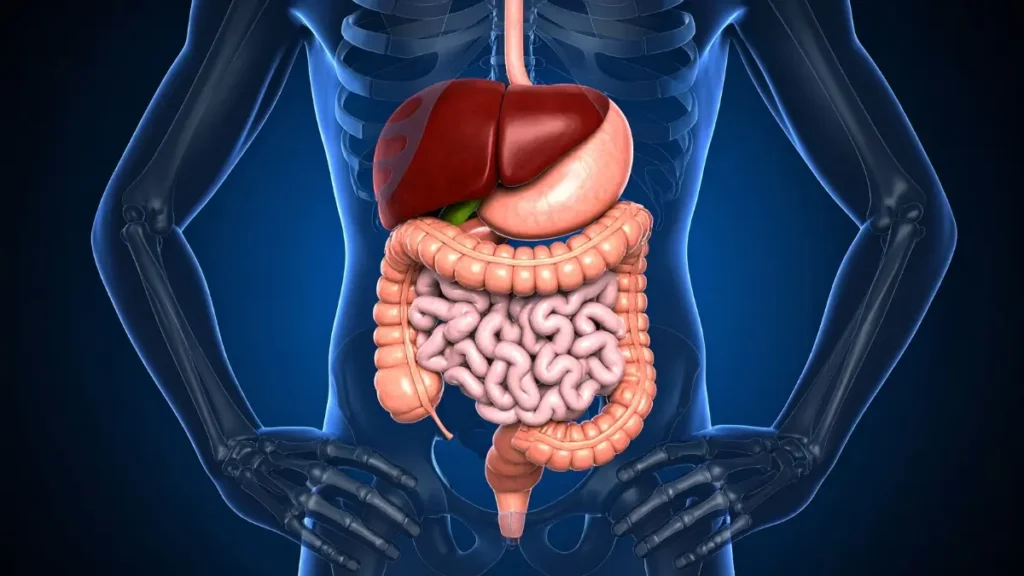
Digestive function depends on coordinated muscle contractions, hydration balance, gut microbiota activity, and adequate dietary intake. When one or more of these systems become disrupted, bowel regularity may decline.
Although occasional constipation is common, persistent symptoms should not automatically be dismissed as harmless.

What Causes Chronic Constipation?
Low Fiber Intake
One of the most well-established contributors is insufficient dietary fiber.
Fiber helps:
- Increase stool bulk
- Support intestinal movement
- Feed beneficial gut bacteria
- Improve stool consistency
Research consistently supports higher fiber intake as a foundational digestive-health strategy.
Inadequate Hydration
Fluid intake plays an important role in stool softness and intestinal transit.
When hydration levels are low, stools may become harder and more difficult to pass.
Sedentary Lifestyle
Regular movement appears to support intestinal motility.
Long periods of inactivity may contribute to slower bowel function, particularly in older adults.
Stress and Gut-Brain Interaction
The gut and nervous system are closely connected through the gut-brain axis.
Research suggests chronic stress may influence:
- Digestive motility
- Gut sensitivity
- Microbiome balance
- Bowel regularity
Community discussions around constipation often mention stress-related digestive changes during demanding periods.
Medication and Medical Conditions
Certain medications may contribute to constipation, including:
- Opioids
- Some antidepressants
- Iron supplements
- Antacids containing calcium or aluminum
Underlying medical conditions may also play a role in persistent symptoms.
What the Research Actually Shows
Increasing Fiber Intake May Help
Research strongly supports gradual increases in dietary fiber for many individuals experiencing constipation.
Food sources commonly associated with digestive support include:
- Oats
- Chia seeds
- Fruits
- Vegetables
- Legumes
- Psyllium husk
Practical interpretation:
- Increasing fiber too quickly may worsen bloating in some individuals.
- Gradual adjustments tend to be better tolerated.
Hydration Supports Stool Consistency
Evidence indicates hydration may improve stool softness and bowel movement frequency.
Although water alone is not always sufficient, adequate hydration appears especially important when increasing fiber intake.
Physical Activity May Improve Motility
Studies suggest regular exercise may help stimulate intestinal contractions.
Even moderate movement such as:
- Walking
- Stretching
- Cycling
- Light resistance training
may support bowel regularity over time.
Gut Microbiome Research Continues to Evolve
Research increasingly explores how gut bacteria influence digestion and stool patterns.
Some studies suggest probiotics containing:
- Bifidobacterium strains
- Lactobacillus strains
may help certain individuals, although results vary significantly between studies.
Some readers exploring digestive support options look into Digestistart and other supplement blends containing probiotics, enzymes, or fiber compounds. However, food quality, hydration, and movement remain foundational.
Sleep and Stress Management Matter
What consistently appears in the literature is that digestive health does not function independently from sleep and stress regulation.
Poor sleep quality and chronic stress may influence:
- Gut motility
- Hormonal balance
- Appetite regulation
- Nervous system activity
The evidence in this area is still evolving, but lifestyle consistency appears important.
You might also like to read about: Best Probiotics for Gut Health: 5 Clinically Proven Strains That Work
Practical Strategies That May Help
| Strategy | Why It May Help |
|---|---|
| Increase dietary fiber gradually | Supports stool bulk and motility |
| Improve hydration | Helps soften stools |
| Walk daily | Stimulates digestive movement |
| Prioritize sleep | Supports gut-brain regulation |
| Reduce highly processed foods | May improve digestive balance |
| Manage stress levels | Supports nervous system regulation |
Nutrition Approaches
Foods commonly associated with healthier bowel patterns include:
- Prunes
- Kiwi
- Oats
- Beans
- Leafy greens
- Flaxseeds
- Fermented foods
Some individuals also benefit from limiting excessive ultra-processed foods and maintaining regular meal timing.
Habit-Based Strategies
Research suggests bowel habits may improve with:
- Consistent meal schedules
- Responding promptly to bowel urges
- Avoiding excessive straining
- Allowing adequate bathroom time
Supplement Considerations
Evidence-based supplement approaches may include:
- Psyllium fiber
- Magnesium citrate
- Probiotics
- Digestive enzyme blends
Some consumers explore supplements like Digestistart as part of a broader digestive wellness routine. At the same time, hydration, movement, and nutrition remain essential long-term foundations.
What to Look for in a Supplement
Consumers evaluating digestive-health supplements may benefit from focusing on formulation quality rather than aggressive marketing.
Potentially researched ingredients include:
- Psyllium husk
- Magnesium
- Inulin
- Probiotic strains
- Digestive enzymes
Helpful quality indicators may include:
- Transparent ingredient labels
- Clearly disclosed dosages
- Third-party testing
- GMP-compliant manufacturing
Potential red flags include:
- “Instant cleanse” promises
- Excessive laxative dependence
- Proprietary blends without transparency
- Extreme detox claims
Some readers researching digestive wellness products encounter Digestistart formula options because they combine several digestive-support ingredients into one blend. However, supplements should complement — not replace — sustainable dietary and lifestyle habits.

Realistic Expectations
Digestive improvements often occur gradually rather than overnight.
Research suggests consistency matters more than extreme short-term approaches.
Some individuals may notice:
- Better stool regularity within days
- Reduced bloating after several weeks
- Improved digestive comfort over time
Others may require longer periods of adjustment depending on:
- Diet quality
- Stress levels
- Medication use
- Underlying health conditions
No supplement replaces healthy nutrition, hydration, physical activity, or professional medical guidance when symptoms persist.
Who Should Be More Careful?
Extra caution may be appropriate for:
- Pregnant or nursing individuals
- People with inflammatory bowel conditions
- Individuals with severe abdominal pain
- Those experiencing unexplained weight loss
- People taking multiple medications
- Individuals with bowel obstruction history
Persistent constipation accompanied by:
- Blood in stool
- Severe pain
- Vomiting
- Sudden bowel habit changes
should be medically evaluated promptly.
When in doubt, consult a healthcare professional before making major changes to your health routine.
FAQ – Frequently Asked Questions
What is considered chronic constipation?
Chronic constipation generally refers to bowel movement difficulties lasting several weeks or longer. Symptoms may include infrequent stools, straining, bloating, or incomplete emptying.
Does drinking more water help constipation?
Research suggests hydration may help support softer stools and easier bowel movements, particularly when combined with adequate fiber intake.
Which foods may help improve bowel regularity?
Foods commonly associated with digestive support include fruits, vegetables, legumes, oats, flaxseeds, prunes, and fermented foods rich in fiber or beneficial bacteria.
Are digestive supplements safe for daily use?
Some digestive supplements may be appropriate for certain individuals, but safety depends on the ingredients, dosage, medications, and personal health history. Long-term laxative overuse may not be appropriate without medical supervision.
When should someone seek medical advice for constipation?
Medical evaluation may be appropriate if constipation becomes persistent, painful, or associated with blood in stool, weight loss, vomiting, or major bowel habit changes.
Affiliate Disclosure and Health Information Disclaimer: This article may contain affiliate links. If a purchase is made through these links, a commission may be earned at no additional cost to the reader. The content is provided for informational and educational purposes only and reflects independent research based on scientific literature, ingredient analysis, and publicly available health information. Supplements and wellness strategies discussed in this article should be viewed as supportive tools rather than substitutes for professional medical care. Readers with medical conditions or those taking medications should consult a qualified healthcare professional before making significant changes to their health routine.

Marcelo Carter is the founder and author behind Supplements Fit, where he shares supplement reviews, wellness insights, and healthy lifestyle content. Passionate about health and fitness, Marcelo spends his time researching ingredients, analyzing products, and creating beginner-friendly articles designed to help readers make smarter and more confident wellness decisions online.