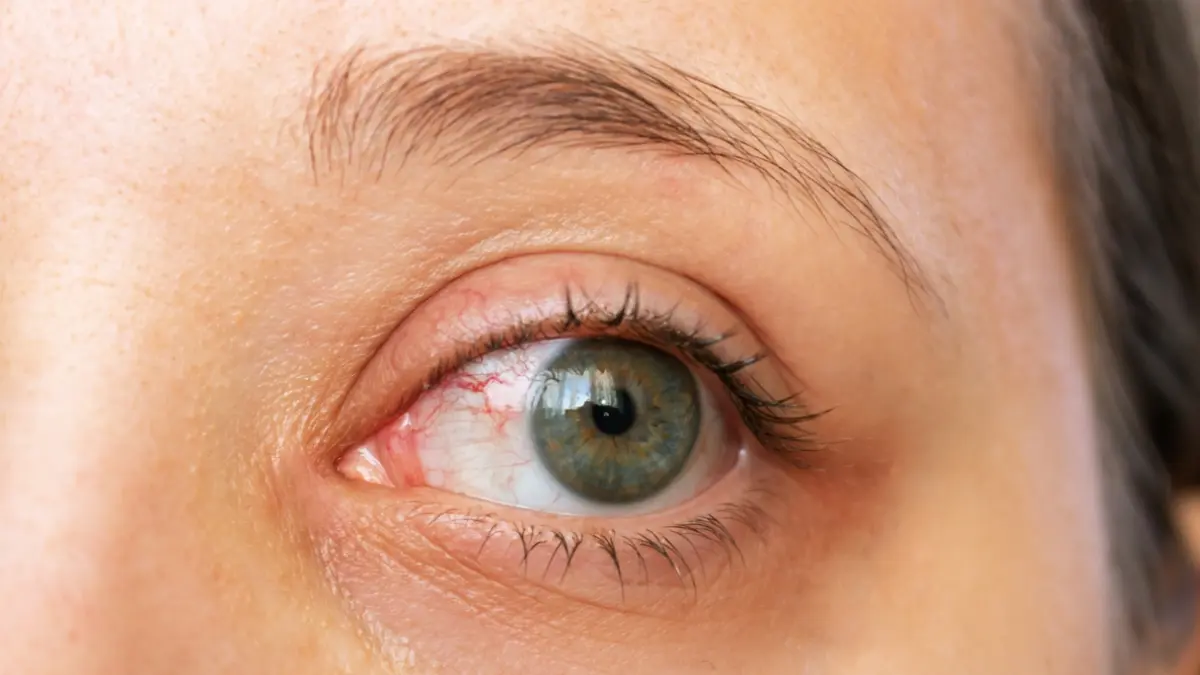
Signs your vision is getting worse mean you may be experiencing a gradual or persistent decline in clarity, contrast, or visual comfort that deserves prompt attention from an eye care professional. If you are noticing blurring, increased glare, halos, double vision, or trouble reading despite using your usual correction, these are clear reasons to act now and protect your vision.
Signs your vision is getting worse include blurry sight, increased glare, halos around lights, difficulty reading, and new floaters or flashes. These symptoms may indicate underlying eye conditions that require attention. Identifying changes early helps protect your vision and allows for more effective treatment before problems progress.
Many people ask, “Why is my vision getting worse?” without realizing these changes often develop gradually. Recognizing symptoms of worsening eyesight early can prevent more serious complications and protect long-term eye health.
It is easy to dismiss small shifts in vision as fatigue or aging, yet those subtle early changes often signal conditions that respond best to early treatment. When you begin needing brighter light to read, squinting more, missing objects at the edge of your sight, or seeing new floaters or flashes, those patterns are not random—they are clues.
Floaters and flashes meaning can vary, but they may indicate changes in the vitreous or retina. Sudden increases in floaters or light flashes should always be evaluated urgently.
Blurry vision causes can range from simple refractive errors to more serious eye conditions. When these symptoms persist or worsen, they may indicate underlying eye problems that require professional evaluation.
Many people delay because they fear bad news, have a busy life, or think a new prescription will fix everything, but untreated glaucoma, macular degeneration, retinal tears, and progressive cataracts can lead to avoidable decline. Recognizing symptoms early gives you a head start, and most vision problems are easier to manage when caught sooner.
Vision warning signs are often ignored until they start affecting daily life. However, early detection of eye health warning signs significantly improves treatment outcomes.
In this article you will get a clear, actionable roadmap to protect your eyes, starting with Recognizing subtle early changes in your vision, then decoding Symptom patterns and what each commonly indicates, and finally identifying Who’s at higher risk for vision decline. Expect practical checklists to help you spot vision warning signs early, red flags that require urgent care, and simple next steps you can take today to reduce risk and preserve sight. Read on and empower yourself to spot the warning signs early, schedule the right tests, and take control before small changes become major losses.
Recognizing subtle early changes in your vision
Small changes in sight often slip by because they come on slowly, and that delay can cost clarity later. Pay attention to recurring blurriness, new glare around lights, or words that seem less crisp, these are potential warning signs and deserve a prompt checkup.
Common eye problems symptoms include difficulty focusing, increased sensitivity to light, and trouble seeing clearly at different distances. These early indicators should not be overlooked.
You may notice night driving becomes harder, contrast feels reduced, or colors look washed out. These shifts are worth noting. If reading feels more tiring or your usual prescription no longer helps, those are real-life examples you should not ignore.
Everyday adjustments, like increasing screen brightness or holding your phone farther away, can be early indicators. When these habits become routine, they are subtle warning signs that signal a need for professional testing to preserve visual function.
| Normal Age-Related Change | Concerning Symptom |
|---|---|
| Mild presbyopia while reading small print | Sudden double vision or persistent blurring, possible Signs Your Vision Is Getting Worse |
| Occasional glare in bright sunlight | New halos around lights or increased glare when driving at night |
| Minor contrast loss with fatigue | Rapidly worsening contrast sensitivity or color shifts |
Take action quickly rather than waiting, an early exam can catch treatable causes and stop progression, these steps will help you respond quickly to early warning signs. In the next section, we’ll cover practical ways to monitor vision changes at home and when to schedule an eye care visit.

Who’s at higher risk for vision decline
Vision loss does not strike everyone the same way, and knowing who is more vulnerable helps you act faster. Certain personal and health factors raise the odds that you will notice changes in clarity, contrast, or comfort. If you start seeing halos or need more light to read, those can be clear warning signs.
Understanding risk factors helps explain why some people experience sudden vision changes causes more frequently than others. Identifying these risks early allows for better prevention and monitoring.
Age and family history
Aging is the single strongest risk factor for many eye conditions, including cataracts, macular degeneration, and glaucoma. If your parents or siblings had late-life vision problems, your risk is higher, and regular eye checks become essential. Persistent difficulty focusing or blurring could be early signals that indicate a decline in vision.
Chronic medical conditions (diabetes, hypertension)
Diabetes and high blood pressure damage blood vessels throughout the body, including those in the eyes. Diabetic retinopathy and hypertensive retinopathy can progress quietly, so even mild changes in night vision or contrast may be important to mention. Sudden vision changes, increased floaters, or new blind spots are serious red flags.
Medication and lifestyle factors
Some medications alter tear production, pupil reaction, or retinal health, and lifestyle choices like smoking accelerate many eye diseases. Long hours on screens and poor nutrition reduce visual resilience, making subtle declines more likely. Track changes carefully, because increased glare or trouble reading despite your usual correction are practical Signs Your Vision Is Getting Worse.
| Risk Factor | What to Watch For |
|---|---|
| Age & family history | Gradual blurring, loss of central vision |
| Diabetes or hypertension | Floaters, sudden spots, contrast loss |
| Medications & lifestyle | Dryness, glare, trouble focusing |
| Eye injury or surgery | Fluctuating vision, persistent discomfort |
Eye injury or prior eye surgery
Past trauma or operations change the eye’s structure and healing response, sometimes causing late complications like retinal tears or scarring. New distortions, flashes of light, or a sudden decrease in vision after an injury are immediate reasons to act,these situations are unmistakable warning signs.
Understanding these risk factors sharpens your focus on meaningful changes, and the next section will Signs Your Vision Is Getting Worse, guide you through the specific symptoms to watch for and when to seek urgent care.
Common eye conditions that cause worsening vision
When vision slips, quick recognition matters. Central blurring, distortion, or a sudden change in color perception are common red flags and can be clear Signs Your Vision Is Getting Worse, and should prompt a timely exam. This section breaks down the most frequent causes so you know what to raise with your eye care professional.
Signs of eye disease early can include subtle distortion, blind spots, or gradual loss of clarity. These symptoms often progress silently, making early awareness essential.
Age-related macular degeneration (AMD)
AMD damages the macula, the part of the retina responsible for sharp central vision. Straight lines may appear wavy, small print becomes unreadable, and a dark spot can form in the center of sight, all of which are classic symptoms of AMD. Early detection improves management options, so mention these symptoms at your appointment.
Glaucoma
Glaucoma often steals peripheral vision first, then progresses silently until significant loss occurs. Gradual loss of peripheral vision, difficulty navigating in low light, or frequent bumping into objects are subtle Signs Your Vision Is Getting Worse with glaucoma. Regular pressure checks and visual field tests catch changes before they become irreversible.
Diabetic retinopathy
People with diabetes can develop leaking vessels, swelling, and new fragile vessels on the retina, causing floaters, blurred areas, or sudden vision drops. Fluctuating sight after blood sugar swings are practical Signs Your Vision Is Getting Worse for diabetic retinopathy, and require prompt evaluation to preserve vision.
Cataracts and other lens changes
Cataracts cloud the eye’s lens, producing glare, halos around lights, and progressive blurring that makes night driving risky. Increased sensitivity to light and faded colors are everyday Signs Your Vision Is Getting Worse from lens changes. Many cataracts are treatable with straightforward surgery when vision interferes with daily life.
| Condition | Typical early signs | When to seek care |
|---|---|---|
| AMD | Central blur, waviness | Any sudden central distortion |
| Glaucoma | Peripheral loss, dimming | Gradual field loss or eye pain |
| Diabetic retinopathy | Floaters, fluctuating clarity | After vision changes or poor glucose control |
| Cataracts | Glare, halos, faded colors | When vision impacts tasks |
Understanding these causes helps you act with urgency, and the next Signs Your Vision Is Getting Worse, section explains practical steps to take when you notice these warning signs.
You might like this too: Blue Light Damage: 7 Effective Ways to Protect Your Eyes (What the Research Actually Says)
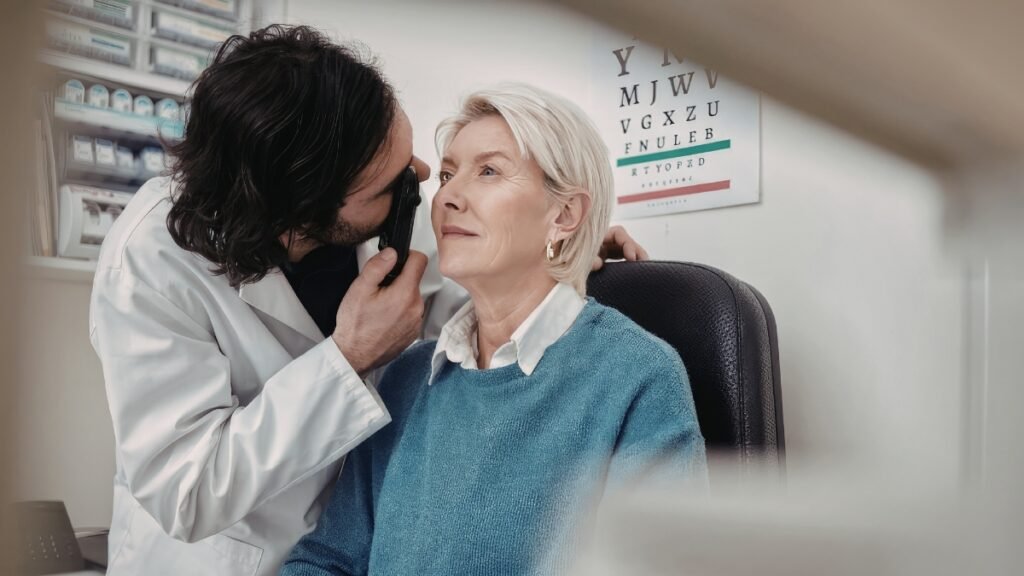
Diagnostic tests your eye care provider will perform
Your eye care team will run a set of focused tests to find the cause when you report changes. These exams turn subjective complaints into measurable findings, helping to confirm Signs Your Vision Is Getting Worse and guiding timely treatment. Stay proactive, because early detection saves sight.
Knowing when to see an eye doctor is critical when symptoms persist or worsen. Early testing helps identify the exact cause and prevents long-term vision damage.
Visual acuity and refraction
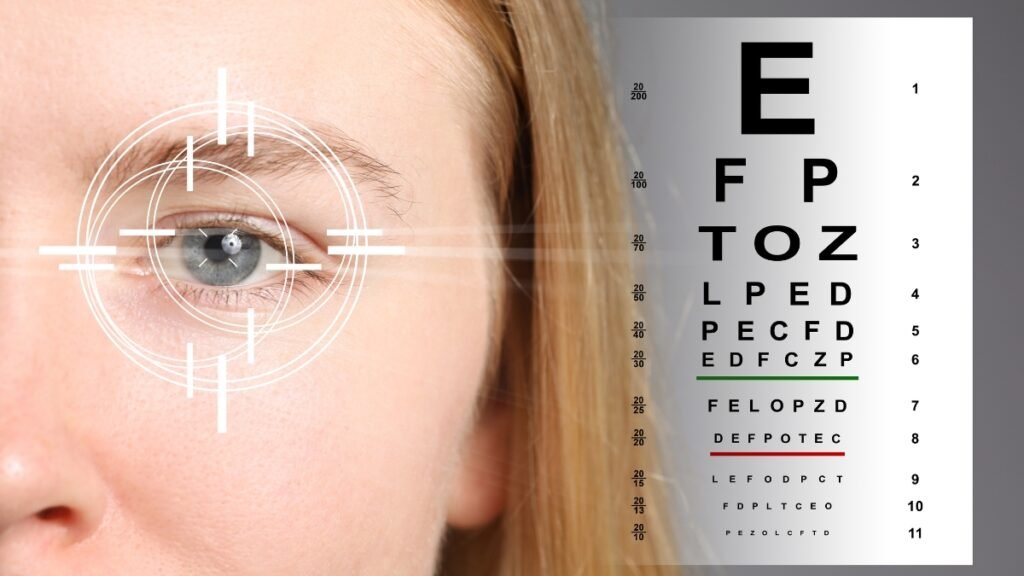
Standard visual acuity charts and a refraction test determine how well you see at distance and near. The refraction measures whether a change in your prescription explains blurring, and it can reveal when corrective lenses are no longer enough, often matching patient reports of Signs Your Vision Is Getting Worse.
Dilated fundus exam and retinal imaging
Dilating the pupil lets the eye care provider examine the retina, optic nerve, and blood vessels for disease. Retinal photos or widefield imaging document changes over time, and these images make it easier to correlate symptoms with structural damage when you notice Signs Your Vision Is Getting Worse.
Optical coherence tomography (OCT)
OCT creates cross sectional images of the retina and optic nerve with micrometer detail, revealing fluid, thinning, or swelling that often precede obvious vision loss. This test is vital for macular disease and glaucoma, it helps detect subtle changes that explain why you might report Signs Your Vision Is Getting Worse.
Tonometry and visual field testing
Tonometry measures intraocular pressure, one risk factor for glaucoma, while automated visual field tests map functional vision loss. Together they detect patterns of damage that visual acuity alone can miss, providing objective proof when patients describe Signs Your Vision Is Getting Worse.
| Test | What it shows | Why it matters |
|---|---|---|
| Visual acuity / refraction | Sharpness and corrective needs | Identifies refractive changes and need for new lenses |
| Dilated exam / retinal imaging | Retina and optic nerve health | Detects retinal tears, macular disease, diabetic changes |
| OCT | Retinal layers and optic nerve structure | Finds swelling, thinning, and early degeneration |
| Tonometry / visual fields | Eye pressure and peripheral function | Essential for glaucoma screening and monitoring |
After these evaluations your provider will explain what the results mean and recommend next steps if tests confirm Signs Your Vision Is Getting Worse, read on to learn about treatment options and when to seek urgent care.
Everyday prevention and lifestyle steps to protect sight
Manage blood sugar and blood pressure
Keeping diabetes and hypertension under control is the single most important step to protect your eyes. High Signs Your Vision Is Getting Worse blood sugar and pressure damage tiny blood vessels in the retina, and early intervention lowers the risk of permanent loss.
Many people look for ways on how to protect eyesight naturally, and simple habits like proper nutrition, hydration, and regular eye exams can make a significant difference.
Pay attention to changes during routine checks, because noticing increased blurriness or trouble reading may mean Signs Your Vision Is Getting Worse and needs fast action from your eye care team.
Quit smoking and limit alcohol
Smoking accelerates macular degeneration and many other eye conditions, so quitting is one of the fastest ways to improve long-term outcomes. Alcohol Signs Your Vision Is Getting Worse in excess can dehydrate the eye and worsen medication interactions, moderate intake for better eye health.
If you observe more sensitivity to light or persistent haze after lifestyle changes, consider that these could be early Signals and that Signs Your Vision Is Getting Worse should prompt a professional exam.
Protect eyes from UV and use appropriate eyewear
UV exposure raises the risk of cataracts and surface damage, so wear sunglasses with 100% UV protection and a wide-brimmed hat in bright conditions. For sports and hazardous work, use impact-resistant lenses to prevent trauma.
When you notice glare, halos, or new light sensitivity while outdoors, those symptoms can be practical clues that Signs Your Vision Is Getting Worse and that your protective strategy may need updating.
Healthy diet, supplements, and screen ergonomics
A diet rich in leafy greens, omega-3s, and lutein supports retinal health, and targeted supplements can help when recommended by your doctor. Stay hydrated and manage weight to keep systemic risks low.
Optimize screen ergonomics by positioning monitors below eye level, using regular breaks, and adjusting brightness. Persistent digital eye strain, blurred reading, or double vision often point to Signs Your Vision Is Getting Worse when they do not resolve with ergonomic fixes.
| Action | Why it matters | Quick benefit |
|---|---|---|
| Control blood sugar | Prevents diabetic retinopathy | Slows vision loss |
| Quit smoking | Reduces macular degeneration risk | Improves long-term outcomes |
| UV protection | Prevents cataracts and surface damage | Less glare and discomfort |
Monitor your daily habits and act at the first sign of change, remembering that consistent prevention reduces the chance that Signs Your Vision Is Getting Worse will become permanent, and now you can move on to learning how professionals diagnose these changes.
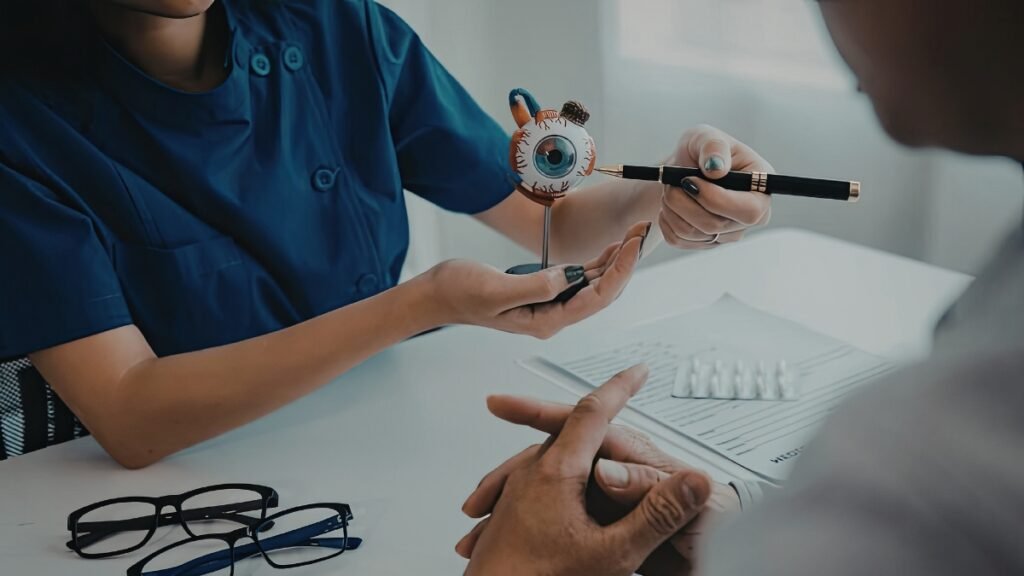
Treatment options and low-vision support pathways
Corrective lenses and refraction updates
Regular refraction and timely updates to your glasses or contact lens prescription are the simplest, most immediate steps to protect vision. Many people regain reading comfort and reduce glare after an exam, and if changes persist despite updates, you may be seeing Signs Your Vision Is Getting Worse.
Specialty lenses, prism corrections, and task-specific magnifiers can restore independence for daily activities. Optometrists monitor acuity, contrast sensitivity, and functional performance during visits, and they will flag results that match patient complaints, suggesting Signs Your Vision Is Getting Worse and prompting further testing or referral.
Medications, injections and laser therapies
Prescription eye drops can control pressure and inflammation, while intravitreal injections target abnormal blood vessels and edema in conditions like wet macular degeneration. Laser photocoagulation or targeted procedures may seal leaking vessels or reduce risk of progression, so timely treatment is crucial because these are classic Signs Your Vision Is Getting Worse.
Surgical interventions (cataract, retinal, glaucoma)
Cataract surgery replaces a cloudy lens and often delivers dramatic improvements in clarity, contrast, and glare tolerance. For retinal tears, detachments, or advanced diabetic disease, vitrectomy and retinal repair procedures aim to preserve remaining vision, and surgeons recommend intervention when visual testing shows Signs Your Vision Is Getting Worse to avoid permanent loss.
Glaucoma surgeries reduce intraocular pressure when medical therapy is insufficient, and certain procedures slow progressive field loss. Discuss realistic expectations and recovery goals with your surgical team so you stay proactive and confident about the outcome.
Low-vision aids, rehabilitation, and community resources
Rehabilitation focuses on practical strategies, training, and adaptive tech to maintain independence. Devices range from handheld magnifiers and electronic video magnifiers to screen readers, high-contrast tools, and mobility aids tailored to your daily needs.
| Aid | Best for | Typical benefit |
|---|---|---|
| Handheld magnifier | Reading labels or mail | Quick, low-cost magnification |
| Electronic video magnifier | Extended reading and hobbies | Adjustable magnification and contrast |
| Screen reader and apps | Digital access and communication | Text-to-speech and OCR support |
| Mobility cane and training | Safe navigation outdoors | Increased confidence and independence |
Multidisciplinary teams teach home adaptation, lighting optimization, and task training, and they step in when daily tasks become unsafe or tiring, because those are real-world Signs Your Vision Is Getting Worse that justify a referral to low-vision services.
Community resources include vision rehab centers, support groups, vocational programs, and social services that help obtain devices and home modifications, so contact your local eye clinic early and seek referrals so you get the support you need when you spot clear Signs Your Vision Is Getting Worse.
Recognizing eye health warning signs early allows individuals to take action before vision loss becomes permanent. Staying proactive is key to maintaining long-term visual health.
FAQ – Early Eye Warning Signs & Vision Decline
What are the early signs your vision is getting worse?
Early signs your vision is getting worse include blurred vision, increased glare, halos around lights, difficulty reading, and new floaters or flashes. These symptoms often develop gradually and may indicate underlying eye conditions. Identifying them early allows for faster treatment and helps prevent long-term vision damage.
How do you know if vision problems require urgent attention?
Vision problems require urgent attention when you experience sudden floaters, flashes of light, double vision, or rapid vision loss. These symptoms may signal serious conditions like retinal tears or detachment. Immediate evaluation by an eye care professional is critical to prevent permanent vision loss.
Why is my vision getting worse over time?
Vision may get worse over time due to aging, refractive errors, or conditions like glaucoma, cataracts, or macular degeneration. Lifestyle factors such as excessive screen time, poor diet, and chronic diseases like diabetes can also accelerate decline. Early detection helps manage progression effectively.
When should you see an eye doctor for worsening vision?
You should see an eye doctor if vision changes persist for more than a few days, worsen progressively, or interfere with daily tasks like reading or driving. Annual eye exams are recommended, but sudden symptoms such as flashes or blind spots require immediate medical evaluation.
Who is most at risk for vision decline?
People most at risk for vision decline include older adults, individuals with diabetes or hypertension, smokers, and those with a family history of eye disease. Long-term screen exposure and poor lifestyle habits also increase risk. Regular monitoring helps detect early warning signs before serious damage occurs.
Affiliate Disclosure and Health Information Disclaimer: This article may contain affiliate links. If a purchase is made through these links, a commission may be earned at no additional cost to the reader. The content is provided for informational and educational purposes only and reflects independent research based on scientific literature, ingredient analysis, and publicly available health information. Supplements and wellness strategies discussed in this article should be viewed as supportive tools rather than substitutes for professional medical care. Readers with medical conditions or those taking medications should consult a qualified healthcare professional before making significant changes to their health routine.

Marcelo Carter is the founder and author behind Supplements Fit, where he shares supplement reviews, wellness insights, and healthy lifestyle content. Passionate about health and fitness, Marcelo spends his time researching ingredients, analyzing products, and creating beginner-friendly articles designed to help readers make smarter and more confident wellness decisions online.