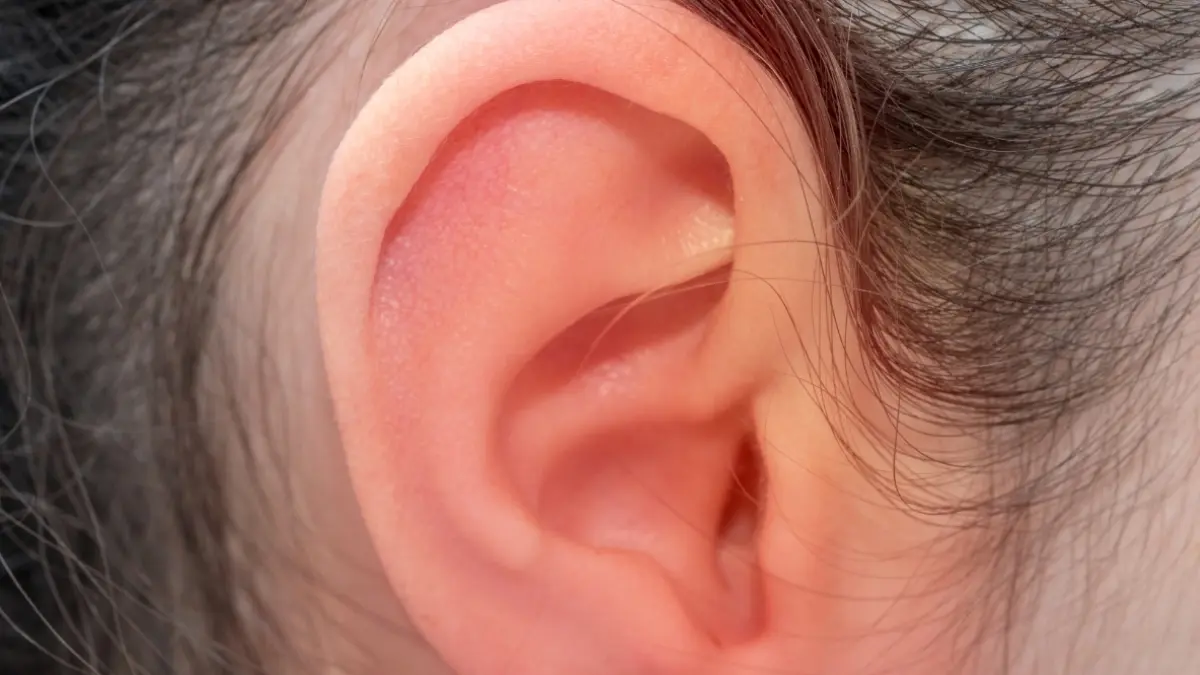
Tinnitus is the perception of sound, such as ringing, buzzing, or hissing, without any external source. It often arises from changes in the ear, auditory nerve, brain processing, blood flow, or reactions to medications. Reducing it means identifying the specific drivers and using targeted lifestyle, sound, and medical strategies to calm the system, including natural strategies and proven techniques to reduce symptoms.
Tinnitus is caused by changes in the ear, auditory nerves, or brain processing, often linked to noise exposure, stress, or certain medications. Common symptoms include ringing, buzzing, or hissing sounds. Identifying the cause helps you apply effective strategies to reduce tinnitus and improve focus, sleep, and daily comfort.
This guide gives you a clear path to understanding the causes and what you can do about them, including how to stop ringing in ears naturally, so you can reclaim better sleep, focus, and peace of mind.
You are not alone in feeling frustrated, anxious, or exhausted by persistent ear noise, and those reactions can make the ringing feel louder. I’ve seen how quickly tinnitus can take over your day, and the good news is that many people improve significantly by learning what drives their symptoms and by making focused changes.
By combining clear biology with simple, practical habits, you can reduce the intensity and frequency of episodes, lower stress, and improve coping so the sounds become less intrusive, even if they do not disappear completely. In the sections ahead, you will get a straightforward explanation in “Understanding tinnitus: what it is and how it presents”, a clear breakdown in “Major causes and biological mechanisms of ear ringing”, and a hands-on approach in “How to identify your personal tinnitus triggers and patterns”.
This guide provides practical, science-backed actions you can try right away, a step-by-step way to spot your triggers, and suggested noninvasive strategies from sound therapy and sleep hygiene to diet, hearing protection, and when to seek medical care. By the end, you will have a clearer, personalized plan to reduce ringing and regain control of your life.
What Causes Tinnitus and How to Reduce It

Understanding tinnitus: what it is and how it presents
Tinnitus is the perception of sound, like ringing, buzzing, or hissing, when no external source exists. It can arise from changes in the ear, the auditory nerve, brain processing, or blood flow, and learning about these drivers helps you focus on practical steps to reduce tinnitus.
Subjective vs. objective tinnitus
Subjective tinnitus is heard only by the person affected and is far more common, while objective tinnitus can sometimes be detected by a clinician with a stethoscope or microphone. Differentiating them steers testing and treatment choices, and pinpointing this difference helps guide appropriate testing and treatment.
Pulsatile, tonal, and whooshing types
| Feature | Subjective | Objective |
|---|---|---|
| Who can hear it | Only the patient | Patient and sometimes clinician |
| Common sources | Inner ear, nerve, brain processing | Vascular or muscular issues |
| Typical approach | Sound therapy, counseling, hearing care | Imaging, vascular or ENT evaluation |
Different sensations point to different causes. Pulsatile tinnitus matches your heartbeat and often links to blood flow, tonal tinnitus is a steady tone tied to auditory pathways, and whooshing or roaring can reflect vascular turbulence. Recognizing the type helps guide targeted strategies and clarify the underlying cause.
How tinnitus impacts sleep, concentration, and mood
Tinnitus can sap sleep, erode focus, and heighten anxiety, creating a feedback loop that worsens perception. Behavioral strategies, sleep hygiene, and targeted sound enrichment can reduce distress and support resilience, helping you regain control while investigating the underlying causes.
With these patterns and impacts clear, the next section will outline diagnostic steps and treatments that actively address What Causes Tinnitus and How to Reduce It.
Major causes and biological mechanisms of ear ringing
Noise-induced and age-related hearing loss
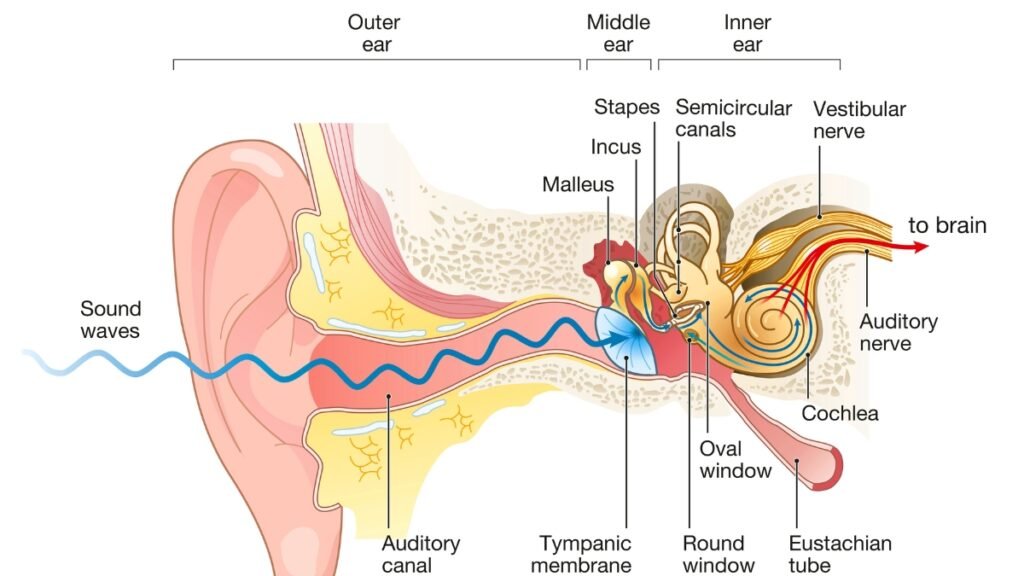
Damage to hair cells in the inner ear from loud noise or the gradual loss of those cells with age is among the most common drivers of tinnitus. The brain reacts to missing auditory input by amplifying internal noise, and this neural reorganization often creates persistent phantom sounds.
Understanding the causes of tinnitus starts with protecting hearing, using hearing protection, and pursuing auditory rehabilitation such as hearing aids or sound therapy to rebalance brain input.
Earwax blockage, ear infections, and middle-ear issues
Blockages from earwax or fluid from infections change how sound is transmitted through the middle ear, leading to pressure or conductive changes that can produce ringing. These mechanical problems are often reversible once the obstruction or infection is treated.
Clinical evaluation helps identify the cause of tinnitus in these cases, with removal of wax, antibiotics, or minor procedures restoring normal transmission and reducing symptoms.
Ototoxic medications and chemical exposures
Certain drugs and chemicals harm cochlear cells or alter neural signaling, producing or worsening tinnitus. Common culprits include high-dose aspirin, some antibiotics, chemotherapy agents, and occupational solvents.
Identifying medication-related causes is essential in tinnitus evaluation, then working with prescribers to adjust doses or find safer alternatives when possible.
Vascular, neurological, and systemic medical causes
Altered blood flow, vascular malformations, migraines, multiple sclerosis, and metabolic disorders can all produce tinnitus by changing auditory nerve signaling or brain processing. Pulsatile tinnitus often points to a vascular origin and needs targeted imaging.
Accurate diagnosis is essential to determine the underlying cause of tinnitus and to guide medical or surgical interventions that address blood flow or neural pathology.
| Cause | Mechanism | Typical Reduction Strategies |
|---|---|---|
| Noise or age loss | Hair cell damage and cortical reorganization | Hearing protection, hearing aids, sound therapy |
| Middle ear problems | Conductive changes from wax or fluid | Ear cleaning, medical treatment |
| Ototoxic agents | Cochlear toxicity altering neural signals | Medication review, alternative drugs |
| Vascular/neurological | Altered blood flow or nerve dysfunction | Imaging, targeted medical or surgical care |
Jaw (TMJ) and cervical spine contributions
Temporomandibular joint dysfunction and cervical spine disorders can refer pain and change muscular tension near the ear, influencing auditory pathways and triggering or modulating tinnitus. Bite alignment and neck posture therefore matter for many sufferers.
Manual therapy, dental adjustment, and posture correction can be powerful components of a plan that helps explain and reduce symptoms.
With these mechanisms in mind, the next section will outline practical lifestyle, sound, and medical strategies to actively reduce tinnitus and improve quality of life.
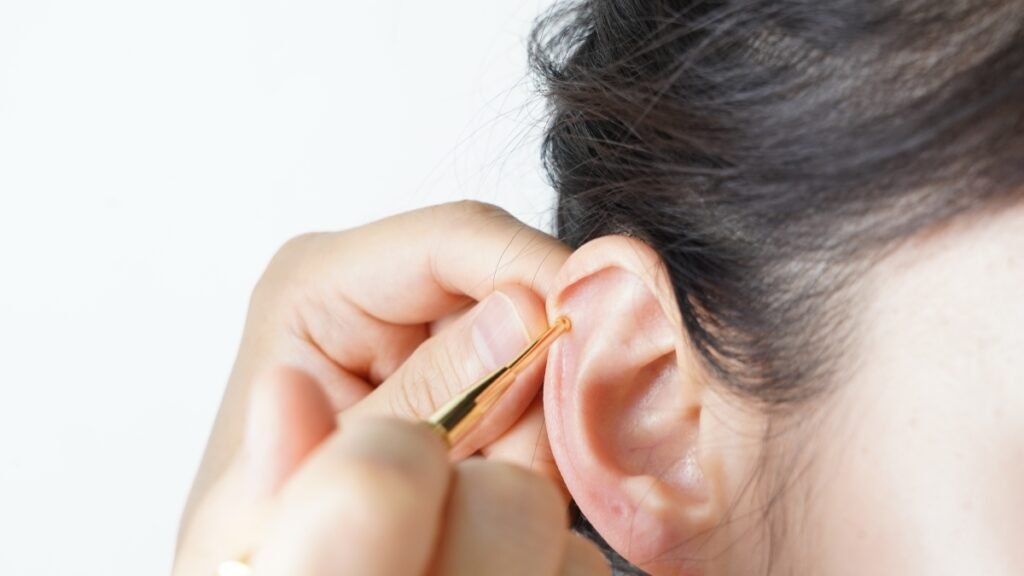
How to identify your personal tinnitus triggers and patterns
Keeping a symptom diary and tracking flare-ups
Start with a simple daily log, recording loudness, character, time of day, and activities when tinnitus spikes. Over time, patterns emerge, helping you gain control as the data reveals what triggers your episodes.
Use a rating scale for intensity and note sleep, stress, and food. This will help you better understand your triggers and patterns when you consult a clinician or try lifestyle changes.
Dietary and substance triggers: caffeine, alcohol, sodium
Many people notice links between what they eat and tinnitus. Keep entries for caffeine, alcohol, and salty meals, then compare flare-up days to intake days to find clear associations.
Adjusting these items can reduce spikes, while helping you better understand what affects your symptoms as you test one change at a time. symptoms as you test one change at a time.
Stress, anxiety, and poor sleep as amplifiers
Emotional strain and sleep loss often make tinnitus louder and more intrusive. Track your mood, stressful events, and sleep quality alongside symptoms to reveal cause and effect.
Managing stress and improving sleep can reduce severity, and your diary becomes clear evidence of what influences your symptoms.
Environmental sound exposures and occupations
Note noisy environments, headphone use, and work-related exposures. Repeated or acute loud sounds can provoke lasting changes, so chart decibel risks and protective measures.
Comparing exposure records with symptom logs helps identify high-risk situations andsupports targeted prevention strategies
Medication review and health-condition links
List current prescriptions and over-the-counter drugs, along with medical conditions like hypertension or TMJ. Some medications and health issues are known contributors, so a thorough review is essential.
Bring your diary to appointments to speed up diagnosis and treatment, and to show clear patterns that explain your specific triggers
| Trigger Type | Typical Effect | Action to Test |
|---|---|---|
| Dietary (caffeine, alcohol, sodium) | Short-term spikes | Reduce or eliminate for 2 weeks |
| Stress and sleep | Increased perception | Implement relaxation and sleep hygiene |
| Noisy exposure | Acute or gradual worsening | Use hearing protection, limit time |
| Medications | Variable, sometimes reversible | Consult clinician for alternatives |
Once you have documented patterns and tested changes, you will be ready to select targeted strategies, moving into practical interventions to manage symptoms and reduce impact.
When to seek evaluation and the diagnostic steps clinicians use
Red flags that require urgent assessment
Seek immediate evaluation if tinnitus starts suddenly, is accompanied by sudden hearing loss, imbalance, or neurological signs such as weakness or facial numbness. Pulsatile tinnitus that matches your pulse, severe headaches, or signs of infection also warrant prompt care, and clinicians will prioritize ruling out life‑threatening causes of sound perception and blood flow problems that can explain What Causes Tinnitus and How to Reduce It.
Audiology tests: pure-tone audiogram and speech testing
Formal hearing tests identify threshold shifts across frequencies and reveal how tinnitus relates to hearing loss. Pure-tone audiometry maps sensitivity, while speech testing evaluates clarity in quiet and noise. These measures guide personalized sound therapy and counseling about What Causes Tinnitus and How to Reduce It so treatment targets the specific hearing profile.
| Test | Purpose | How it informs care |
|---|---|---|
| Pure-tone audiogram | Detects hearing thresholds | Shows hearing loss pattern linked to tinnitus |
| Speech testing | Assesses speech understanding | Guides communication strategies and hearing aids |
Middle-ear tests: tympanometry and otoacoustic emissions
Tympanometry checks eardrum mobility and middle ear pressure, which identifies fluid, perforation, or Eustachian tube dysfunction. Otoacoustic emissions assess outer hair cell function and can detect cochlear damage even when thresholds are near normal, helping clinicians link objective ear pathology to patient symptoms and explain What Causes Tinnitus and How to Reduce It.
Imaging and bloodwork to rule out underlying causes
When red flags, asymmetry, or pulsatile tinnitus are present, MRI or CT scans look for tumors, vascular anomalies, or structural causes. Basic labs can screen for metabolic, thyroid, or inflammatory contributors. These steps narrow down medical drivers and shape treatments that address the specific reasons for What Causes Tinnitus and How to Reduce It.
Referrals: ENT, audiologist, neurologist, dental/physio assessments
Multidisciplinary referral is common. ENTs evaluate structural and surgical issues, audiologists provide detailed testing and rehabilitation, neurologists assess central causes, and dental or physiotherapy can treat somatic contributors. Coordinated care increases the chance of identifying drivers and reducing symptoms described in What Causes Tinnitus and How to Reduce It.
With a clear diagnostic picture, you and your clinicians can choose targeted interventions, so next we will review practical treatment and management strategies.
Practical daily habits and natural ways to reduce tinnitus without medication
Hearing protection and safe-listening practices
Protect your ears proactively by using earplugs or earmuffs in noisy environments, and by lowering headphone volume to 60% or less for no longer than 60 minutes at a time. Small daily choices prevent damage and help address What Causes Tinnitus and How to Reduce It by limiting further harm to the auditory system.
| Protection | Best for | Pros | Cons |
|---|---|---|---|
| Foam earplugs | Concerts, construction | Affordable, portable | Single-use feel |
| Reusable silicone plugs | Swimming, travel | Durable, comfortable | Need cleaning |
| Earmuffs | Workshops, shooting | High attenuation | Bulkier |
Stress-management routines and paced breathing
Stress often amplifies perception of ringing, so build short, daily routines: 5–10 minutes of paced breathing, progressive muscle relaxation, or a brisk walk. These practices reduce sympathetic arousal and help explain why tinnitus can feel worse during anxiety.
Nutrition, hydration, and limiting stimulants
Eat balanced meals, stay hydrated, and cut back on caffeine, nicotine, and excess salt, which can worsen vascular and neural sensitivity. Mindful choices support inner ear circulation and address common contributing factors.
Exercise, posture correction, and jaw stretches
Regular low-impact exercise improves blood flow and mood, posture correction reduces neck strain, and gentle jaw stretches relieve TMJ tension linked to tinnitus. Consistent movement can offer practical relief and complement other lifestyle strategies.
Sleep hygiene and bedroom adjustments
Optimize sleep by keeping a cool, dark room, establishing a bedtime routine, and using low-level background sound if silence makes ringing more noticeable. Good sleep habits reduce daytime sensitivity and help explain What Causes Tinnitus and How to Reduce It in daily life.
These daily habits compound over weeks, giving you practical control and improved resilience, next we’ll cover targeted sound therapy and coping strategies to further reduce ringing.
You might also want to read about this: 7 Common Causes of Ringing in the Ears (and Practical Solutions That Actually Help)
Tinnitus treatment options: when medical or advanced treatments are appropriate
Hearing aids, combination devices, and sound generators
For many people, hearing loss amplifies the perception of internal sounds, and amplification can reduce awareness of tinnitus. Modern hearing aids and combination devices provide amplification plus built-in sound generators, making them one of the most effective tinnitus treatment options for many patients that mask or desensitize the tinnitus, which can be life-changing when conservative measures fail. In clinical practice, fitting and fine-tuning matter most, and outcomes improve when clinicians target the specific drivers identified in What Causes Tinnitus and How to Reduce It.
Tinnitus retraining therapy (TRT) and structured programs
Structured programs such as TRT combine sound therapy with counseling to retrain the brain’s reaction to tinnitus. These programs are best for people who remain highly distracted or distressed despite initial sound and behavioral strategies, and they can shift long-term perception. Evidence supports TRT for many candidates, especially when aligned with a clear plan grounded in What Causes Tinnitus and How to Reduce It.
| Option | Primary benefit | Best for |
|---|---|---|
| Hearing aids | Improved audibility, reduced contrast | Hearing loss with tinnitus |
| TRT | Habituation of response | Long-term distress |
| rTMS | Modulates cortical activity | Experimental candidates |
Medications and off-label pharmacologic options
There is no universally effective drug for tinnitus, but some medications reduce associated anxiety, sleep disruption, or neural hyperexcitability. Antidepressants, certain anticonvulsants, and short courses of medication may help select patients, guided by an understanding of What Causes Tinnitus and How to Reduce It. Use is individualized and often off-label, so informed risk-benefit discussion is essential.
Neuromodulation and experimental approaches (rTMS, implants)
Neuromodulation techniques such as repetitive transcranial magnetic stimulation and investigational implants aim to change aberrant neural circuits. Results vary, and these approaches are generally reserved for research settings or specialty centers. Candidates are chosen after other targeted strategies fail and after mapping the contributors outlined in What Causes Tinnitus and How to Reduce It.
Surgical interventions: rare, condition-dependent indications
Surgical solutions are rarely appropriate and depend on underlying pathology, such as a tumor, vascular lesion, or middle ear disease. When structural causes are clearly identified and linked to symptoms, surgery can be curative, but careful evaluation is critical since many tinnitus origins are neural or metabolic. Surgical candidacy must be weighed against the broader plan for What Causes Tinnitus and How to Reduce It.
When advanced treatments are considered, coordinate care with audiology, otology, and neurology to ensure the chosen path matches the individual drivers, and next we’ll review practical self-care strategies to complement medical care.
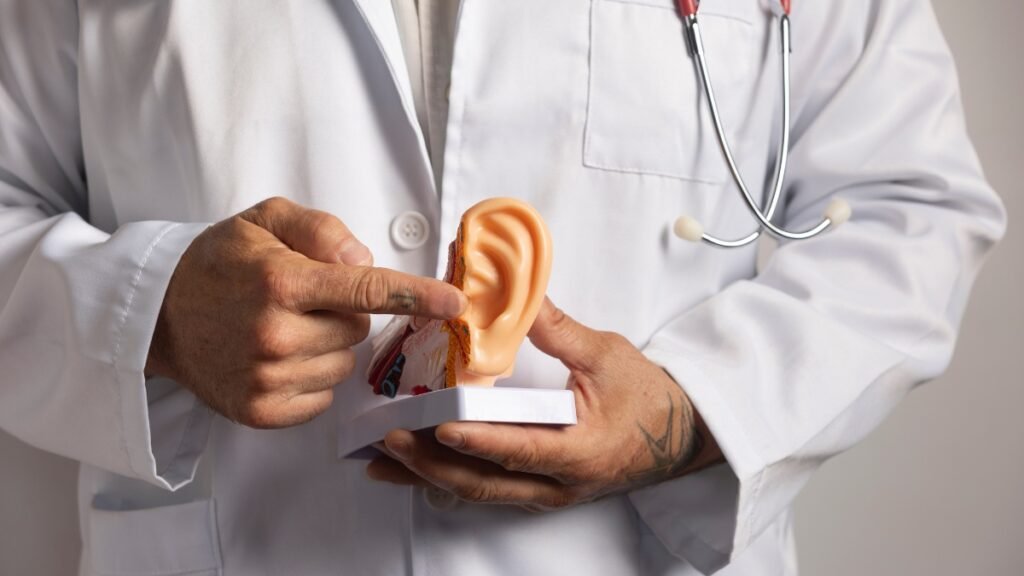
Building a long-term management and prevention plan
Setting realistic goals, tracking progress, and adjusting care
Start by defining clear, measurable goals that improve daily function, sleep, or stress levels. Use a simple diary or an app to record tinnitus intensity, triggers, and sleep quality, this helps you see patterns and measure what works in real time.
Be ready to adapt your plan as results come in, change sound therapy settings, or adjust relaxation routines when needed, while keeping your clinician informed so treatments remain aligned with your aims and your understanding of What Causes Tinnitus and How to Reduce It.
Preventive measures: hearing checks and noise avoidance
Regular hearing assessments are essential, annually or sooner after exposure to loud noise. Early detection of hearing loss lets you address drivers promptly and prevent worsening, which is a core piece of What Causes Tinnitus and How to Reduce It.
| Measure | How it helps | When to use |
|---|---|---|
| Annual Audiogram | Detects threshold shifts early | Baseline and yearly checks |
| Hearing Protection | Prevents noise-induced damage | Concerts, work, lawn equipment |
| Volume Limits on Devices | Reduces cumulative risk | Daily listening habits |
Accessing support: counseling, support groups, and online resources
Professional counseling, such as CBT, can reframe reactions and reduce distress, making coping strategies more effective. Peer support groups offer shared tips, accountability, and hope, increasing motivation to follow preventive steps tied to What Causes Tinnitus and How to Reduce It.
Knowing when to follow up and coordinate multidisciplinary care
Follow up if tinnitus worsens, new hearing loss appears, or medications change. Coordinate care among ENT specialists, audiologists, mental health providers, and primary care so treatments target the specific drivers identified in What Causes Tinnitus and How to Reduce It.
Consistent communication and scheduled reviews create a prevention-focused routine that reduces flare-ups and preserves hearing. Keep notes for each visit and prepare questions for the team to keep progress steady, and next we will explore practical daily strategies to implement immediately.
Conclusion
I have learned that tinnitus is rarely a single mystery, it is a symptom with many causes and clear patterns I can spot if I pay attention. By understanding what tinnitus is, the biological ways the ear and brain create that ringing, and the common triggers like loud noise, certain medications, stress, and diet, I felt more empowered.
I also learned when a medical evaluation matters, how clinicians diagnose tinnitus, and that several natural, noninvasive therapies such as sound enrichment, cognitive approaches, and lifestyle adjustments have research support. These insights helped me move from helplessness to a plan I can follow.
Here are the next practical steps I recommend, steps I would take myself. Start a simple 7-day diary and note when the ringing starts, what you were doing, and how intense it felt. This helps identify personal triggers. Protect my hearing by lowering volume and using ear protection in noisy places.
Reduce or test caffeine and alcohol, manage stress with breathing and short mindfulness exercises, and try gentle sound enrichment at night. If the ringing is frequent or worsening, book a hearing test, get an ear exam, and discuss sound therapy or CBT options with a clinician. I avoid supplements unless a professional advises them.
I urge you to act now, start your 7-day tinnitus diary today and record clear details each time the ringing appears, then schedule a hearing evaluation this week if the noise is persistent or troubling. Taking these steps now gives you data to share with a clinician and puts you in control of reducing your symptoms. The information presented here is for informational purposes only and does not replace medical advice. Always seek a qualified healthcare professional.
FAQ
What causes tinnitus and why do ears ring without a source?
Tinnitus is caused by changes in the inner ear, auditory nerves, or brain processing. Common triggers include noise exposure, age-related hearing loss, stress, medications, or blood flow issues. The brain may amplify internal signals when external sound input is reduced, creating the perception of ringing or buzzing.
How can you reduce tinnitus naturally at home?
You can reduce tinnitus naturally by using background sound (white noise), managing stress, improving sleep, and limiting caffeine or alcohol. Protecting your hearing and staying hydrated also help. Consistent lifestyle adjustments often lower the intensity and frequency of tinnitus symptoms over time.
Why does tinnitus get worse at night or in silence?
Tinnitus often feels worse at night because external sounds are minimal, making internal noise more noticeable. Fatigue and stress also increase sensitivity to sound perception. Adding low-level background noise and maintaining good sleep hygiene can help mask tinnitus and improve nighttime comfort.
When should you see a doctor for tinnitus symptoms?
See a doctor if tinnitus is persistent, worsening, or accompanied by hearing loss, dizziness, or neurological symptoms. Sudden onset, pulsatile tinnitus, or ringing in one ear requires prompt evaluation. Early assessment helps identify underlying causes and guides effective treatment strategies.
Which treatments are most effective for long-term tinnitus relief?
Effective tinnitus treatments include sound therapy, hearing aids (if hearing loss is present), and cognitive behavioral therapy (CBT). These approaches reduce perception and distress rather than eliminate sound completely. Combining therapies based on the cause often provides the best long-term relief.
How do stress and anxiety affect tinnitus symptoms?
Stress and anxiety amplify tinnitus by increasing brain sensitivity and attention to internal sounds. This creates a feedback loop where the ringing feels louder and more intrusive. Relaxation techniques, breathing exercises, and mindfulness can reduce this response and help improve overall symptom control.
Affiliate Disclosure and Health Information Disclaimer: This article may contain affiliate links. If a purchase is made through these links, a commission may be earned at no additional cost to the reader. The content is provided for informational and educational purposes only and reflects independent research based on scientific literature, ingredient analysis, and publicly available health information. Supplements and wellness strategies discussed in this article should be viewed as supportive tools rather than substitutes for professional medical care. Readers with medical conditions or those taking medications should consult a qualified healthcare professional before making significant changes to their health routine.

Marcelo Carter is the founder and author behind Supplements Fit, where he shares supplement reviews, wellness insights, and healthy lifestyle content. Passionate about health and fitness, Marcelo spends his time researching ingredients, analyzing products, and creating beginner-friendly articles designed to help readers make smarter and more confident wellness decisions online.