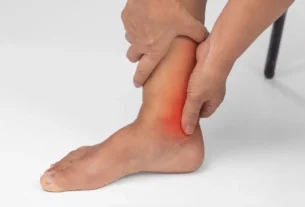
Early signs of nerve damage are subtle sensory or motor changes and often include subtle sensory or motor changes that signal the nerves are not functioning properly, such as numbness, tingling, burning sensations, or unexplained weakness that signal peripheral nerves are not functioning properly. Spotting them early lets you act quickly to diagnose, treat, and protect your long-term nerve health, especially when identifying how to detect nerve damage early and early signs of neuropathy in feet and hands.
Early signs of nerve damage include numbness, tingling, burning sensations, muscle weakness, and loss of coordination. These symptoms often begin in the hands or feet and may worsen over time. Recognizing them early allows for timely treatment and helps prevent further nerve damage and long-term complications.
Peripheral nerves carry messages between your brain, spinal cord, and the rest of your body, controlling sensation, movement, and reflexes, and neuropathy simply means those nerves are injured or not working as they should. Early symptoms often include tingling or a pins-and-needles sensation, loss of feeling in the toes or fingertips, occasional burning pain, sensitivity to touch, mild weakness, or balance changes, sensitivity to touch, mild weakness or clumsiness, and balance changes, and these signs can feel vague at first, which makes them easy to ignore.
Symptoms typically begin in the longest nerves, which is common in the early stages of neuropathy, so they usually show up in the feet or hands first, often in a “stocking and glove” pattern, and over time they may spread upward or become symmetrical on both sides, what starts as a small numb area can gradually develop into broader loss of function if left untreated, and that progression is why early attention matters for you.
In the sections ahead you will learn, in plain language, how peripheral nerves work, which specific early warning signs to watch for, where symptoms commonly start, and how neuropathy usually progresses, plus practical steps you can take right away to protect your health. I will give you simple self-checks, clear red flags that mean see a clinician, common causes to discuss with your doctor, and actionable prevention and treatment options so you can move from worry to confident action and stop small symptoms from becoming lasting damage.
How peripheral nerves work and what neuropathy means

Peripheral nerves carry messages back and forth between your brain, spinal cord, and the rest of your body. They tell your skin when something is hot, tell muscles when to move, and regulate internal organs. Notice subtle sensory changes in the hands or feet, because these small clues often come before major problems.
Types of nerves: sensory, motor, autonomic
Sensory nerves detect touch, temperature, pain, and position. Motor nerves control muscle strength and coordination. Autonomic nerves manage automatic functions like heart rate and digestion. Recognizing which system is affected helps you and your clinician act sooner when you spot early symptoms.
| Type of nerve | Main function | Typical early symptom |
|---|---|---|
| Sensory | Feelings of touch, temperature, pain | Numbness, tingling, burning that may be an early warning sign |
| Motor | Muscle control and strength | Unexplained weakness, clumsiness, or cramps |
| Autonomic | Blood pressure, digestion, bladder | Dizziness, bowel or bladder changes, abnormal sweating |
Common mechanisms of nerve injury (compression, metabolic, toxic)
Compression injuries come from pressure on a nerve, like carpal tunnel or a herniated disc. Early numbness or pins and needles in the pattern of the nerve can be the first signs of nerve damage from compression, and early treatment often prevents permanent loss.
Metabolic causes include diabetes and vitamin deficiencies. High blood sugar slowly damages small nerve fibers, and noticing subtle tingling or weakness can be a lifesaving clue to get metabolic control and reverse or slow progression.
Toxic injuries arise from medications, alcohol, or environmental toxins. Chemotherapy and certain industrial exposures can cause burning or numbness, and reporting these symptoms promptly helps adjust treatment and protect long-term nerve health. Pay attention to persistent, unexplained symptoms.
Spotting and acting on Early Signs of Nerve Damage empowers faster diagnosis, targeted treatment, and better outcomes, so take early symptoms seriously. In the next section, we will outline how to recognize those warning signs in daily life and when to seek medical evaluation.
Common early symptoms to watch for

Don’t ignore subtle changes in sensation or movement, they often tip you off before bigger problems develop. Paying attention to small shifts in how your hands or feet feel can reveal Early Signs of Nerve Damage, giving you the chance to seek care early and protect long term function.
Sensory signs: numbness, tingling, burning or pins-and-needles
When fingers, toes, or areas of skin go numb, this may reflect nerve damage symptoms in hands and feet or feel like pins-and-needles, this is a red flag. A persistent burning or tingling that does not match a recent injury can be one of the clearest Early Signs of Nerve Damage, especially when symptoms are symmetric or worsen at night.
These sensations often begin in the hands or feet and may spread upward, they can affect balance, sleep, and daily tasks. Monitor changes in intensity, pattern, and whether sensations follow a specific nerve path, and document what you feel to help your clinician diagnose the cause.
Motor signs: weakness, clumsiness, muscle twitching
Unexplained weakness, dropping objects, or coordination issues may indicate motor nerve damage symptoms, or tripping more than usual suggests motor nerve involvement, not just tired muscles. Mild muscle twitching or cramps combined with a loss of coordination are subtle clues that belong on your checklist.
Act quickly if you notice progressive weakness, difficulty with fine motor tasks, or new muscle wasting. Early intervention often prevents further decline, so arranging an evaluation is a decisive step toward recovery.
| Symptom | How it feels | Likely nerve type | Immediate action |
|---|---|---|---|
| Numbness or tingling | Partial loss of feeling, pins-and-needles | Peripheral sensory nerves | Track onset, see primary care or neurologist |
| Weakness or clumsiness | Dropping objects, difficulty walking | Motor nerves or neuromuscular junction | Document progression, request strength testing |
| Dizziness or sweating changes | Lightheadedness, abnormal sweating | Autonomic nerves | Check vitals, pursue autonomic testing |
Autonomic signs: dizziness, digestive changes, abnormal sweating
Autonomic nerve involvement may show up as unexpected dizziness when standing, changes in digestion, or unusual sweating patterns. These symptoms may be overlooked, yet they are important warning signs when they appear without another clear cause.
Because autonomic symptoms affect vital functions, report them promptly, especially if they interfere with daily life or lead to fainting. Timely assessment can guide treatments that stabilize symptoms and improve quality of life.
Recognizing any of these sensory, motor, or autonomic clues should prompt you to seek evaluation, and the next section will explain diagnostic tests and what to expect during an appointment.
Where symptoms typically start and how neuropathy progresses

Understanding where symptoms begin helps you recognize problems early and take action. Peripheral nerve issues often reveal themselves in predictable ways, so learning the patterns empowers you to seek care before damage worsens.
Length-dependent pattern: feet and hands first
The most common pattern is length dependent, often described in neuropathy symptoms in feet first, meaning the longest nerves show symptoms first. Numbness, tingling, or burning typically start in the toes or soles and slowly move upward, then later affect the fingers, which are also long nerves, making Early Signs of Nerve Damage easier to spot if you know what to watch for.
Motor symptoms may follow sensory changes, with weakness, balance trouble, or difficulty buttoning clothes emerging as the nerves continue to be affected. Noticing persistent foot symptoms that mirror in the hands over months can be a red flag, pointing to a progressing neuropathy that you should not ignore.
| Feature | Length-dependent | Non-length-dependent / Focal |
|---|---|---|
| Typical start | Toes, soles, then fingers | Specific nerve area, such as wrist or thigh |
| Progression | Gradual, symmetric | Sudden or localized |
| Common causes | Diabetes, toxins, metabolic | Compression, trauma, focal disease |
Focal versus generalized patterns and what they suggest
Focal neuropathy affects a single nerve and is commonly linked to localized nerve damage symptoms or small group, producing symptoms in a specific area like hand numbness from carpal tunnel. This pattern often suggests compression, injury, or a localized process, and detecting such symptoms early helps target treatment and prevent worsening, especially when symptoms appear in one limb.
Generalized neuropathy presents more diffusely and usually follows the length-dependent course, reflecting metabolic or systemic causes. When symptoms are widespread or symmetrical, it raises concern for conditions that require comprehensive medical evaluation, another warning sign that needs prompt attention.
Recognizing these patterns sets you up to ask the right questions during evaluation, Early Signs of Nerve Damage, next we will explore the key tests and examinations that confirm nerve involvement.
When to seek medical attention: red flags and reasonable timelines

Don’t ignore sudden changes in sensation or strength. Early recognition matters because it gives you the best chance to stop damage and restore function, keeping you active and in control of your recovery.
Sudden or rapidly worsening weakness or sensory loss
Any sudden loss of strength in a limb, new facial droop, slurred speech, or rapid spread of numbness requires immediate medical attention. These patterns can signal serious nerve compression, stroke, or an inflammatory nerve condition, and fast treatment changes outcomes.
If you notice a sharp progression over hours or days, go to the emergency room. Do not wait for a primary care visit when the problem accelerates, because timely testing and interventions matter for Early Signs of Nerve Damage.
Signs of autonomic dysfunction, nonhealing wounds, or infection
Problems with blood pressure, heart rate, sweating, bowel or bladder control, or failing to heal a foot ulcer are red flags. These symptoms suggest the autonomic nerves or protective sensation are impaired, raising risk for complications and infection, classic Early Signs of Nerve Damage.
| Symptom | Possible meaning | Recommended action |
|---|---|---|
| Sudden limb weakness | Stroke, acute nerve compression | Emergency evaluation now |
| Nonhealing foot ulcer | Loss of protective sensation | Urgent wound care and nerve assessment |
| Orthostatic dizziness | Autonomic dysfunction | Prompt medical review and monitoring |
Persistent or progressive symptoms lasting more than a few weeks
If numbness, tingling, or weakness lasts beyond two to four weeks, it may indicate progressive nerve damage symptoms or steadily worsens, schedule evaluation. Persistent symptoms often need nerve conduction studies, imaging, blood tests, or specialist referral to prevent long term loss, since lingering symptoms predict chronic problems.
Begin conservative care like activity modification, glucose control, and medication trials for several weeks when symptoms are mild. If simple measures fail after six to twelve weeks, consult neurology to confirm the cause of Early Signs of Nerve Damage and plan definitive treatment.
Now that you know when to seek help, the next section explains the tests and treatments clinicians use to identify and repair nerve injury.
You might also like to read about: Nerve Pain Relief: 9 Powerful Natural Ways to Reduce Neuropathy Symptoms
How neuropathy is evaluated and diagnosed

Recognizing Early Signs of Nerve Damage early gives you the best chance to stop progression and recover function. The diagnostic process pairs a careful clinical assessment with targeted tests, so your provider can identify patterns that point to specific nerve problems. Acting on subtle numbness, tingling, burning, or weakness helps guide timely testing and treatment.
Clinical history and focused neurological exam
A detailed history explores when symptoms began and helps identify early nerve damage diagnosis, how they evolved, what makes them better or worse, and any related medical conditions. The focused neurological exam evaluates sensation, strength, reflexes, coordination, and gait, looking for patterns that match peripheral neuropathy distributions. Simple bedside tests like monofilament or tuning fork exams can quantify loss and reinforce concern about Early Signs of Nerve Damage when results are abnormal.
Electrodiagnostic tests: nerve conduction studies and EMG
Nerve conduction studies measure how fast and are key tests for diagnosing peripheral neuropathy and how strongly nerves transmit electrical signals, identifying demyelination or axonal loss. Electromyography, or EMG, samples muscle electrical activity to show whether weakness stems from nerve or muscle problems. Together these tests help localize the site of injury, estimate severity, and separate neuropathy from conditions that mimic it, which is crucial after spotting early symptoms.
| Test | What it shows | When it is most useful |
|---|---|---|
| Clinical exam | Pattern of sensory and motor loss, reflex changes | First step, screens for neuropathy |
| Nerve conduction studies / EMG | Conduction speed, amplitude, muscle denervation | When localization and severity need clarification |
| Labs, imaging, biopsy | Underlying cause, structural lesions, small fiber loss | When tests suggest specific causes or atypical features |
Laboratory tests, imaging, and skin or nerve biopsy when needed
Blood tests screen for diabetes, vitamin deficiencies, thyroid dysfunction, autoimmune markers, infections, and toxic exposures that can cause neuropathy. Imaging Early Signs of Nerve Damage like MRI can detect spine or plexus problems that compress nerves, and ultrasound can assess nerve enlargement. For suspected small fiber neuropathy, a skin biopsy measures nerve fiber density, while a nerve biopsy is reserved for rare, complex cases.
With diagnosis clarified, the next step is choosing effective treatments and strategies to protect and restore nerve function.
Treatment options and immediate symptom relief strategies
When you notice small changes like tingling or weakness, act quickly to reduce progression and improve comfort. Timely interventions can help limit damage and restore function, and recognizing those subtle cues helps shape effective treatment plans for Early Signs of Nerve Damage.
Medications for pain and nerve stabilization
Start with proven medications to control pain and stabilize nerve activity, medications such as gabapentin, pregabalin, certain antidepressants, and topical agents are commonly used. These drugs reduce abnormal nerve firing and relieve burning or electric sensations without masking underlying causes of Early Signs of Nerve Damage.
Short courses of pain relievers and sleep-supportive medications can improve quality of life while you pursue longer term therapies, always under medical supervision to balance benefits and side effects.
Physical therapy, occupational therapy, and assistive devices
Targeted rehab builds strength, restores coordination, and reduces numbness-related injury risks, therapists use balance training, nerve gliding exercises, and functional retraining to protect daily independence when encountering Early Signs of Nerve Damage.
Adaptive equipment like braces, splints, ergonomic tools, and footwear can prevent falls and ease tasks, these devices empower you to stay active and reduce symptom-driven limitations.
Addressing reversible causes: glycemic control, vitamin replacement, stopping toxins
Correcting underlying, treatable problems often halts progression and may reverse early stage nerve damage, strict blood sugar control, B12 replacement, and stopping alcohol or offending medications all reverse or mitigate nerve injury linked to Early Signs of Nerve Damage.
| Intervention | Goal | When to use |
|---|---|---|
| Glycemic control | Prevent further metabolic nerve injury | Diabetes or prediabetes |
| Vitamin B12 replacement | Restore nerve health and function | Documented deficiency |
| Remove toxins | Stop progressive damage | Alcohol, chemotherapy, or toxic exposure |
Combine these strategies with regular follow-up to track response and refine treatment, and read on to learn about diagnostic testing and when to see a specialist.
Long-term management and prevention: protecting nerve health
Protecting nerve health starts with awareness and consistent action. Acting on Early Signs of Nerve Damage promptly increases the chance of slowing progression and preserving function. This section outlines practical, long-term strategies you can adopt today to stay ahead of problems and support recovery over time.
Lifestyle measures: exercise, smoking cessation, alcohol moderation
Regular, low-impact exercise improves circulation and supports natural ways to prevent nerve damage, supports nerve repair, and helps control conditions such as diabetes that contribute to nerve injury. Including strength work, balance training, and aerobic activity helps reduce symptoms and improves resilience when Early Signs of Nerve Damage appear later in life.
Quitting smoking and moderating alcohol intake are critical. Tobacco restricts blood flow and delays healing, while excessive alcohol directly harms peripheral nerves over time. People who stop smoking and cut back on alcohol often report fewer burning sensations and less numbness, even after Early Signs of Nerve Damage have begun.
| Action | Why it helps | Recommended goal |
|---|---|---|
| Daily walking or cycling | Boosts blood flow and nerve nutrition | 30 minutes most days |
| Strength and balance exercises | Reduces fall risk and maintains function | 2 sessions per week |
| Smoking cessation | Improves circulation and healing | Complete quit with support |
| Alcohol moderation | Prevents toxic nerve damage | No more than recommended limits |
Regular monitoring, foot care, and symptom tracking
Routine checks catch changes before they become permanent and help track early nerve damage symptoms progression. Schedule periodic exams, document new numbness or weakness, and use simple daily foot inspections if your feet are at risk. Keeping a symptom log helps your provider spot trends and respond faster when Early Signs of Nerve Damage worsen.
Proper foot care prevents ulceration and infection, especially in people with reduced sensation. Wear well fitting shoes, moisturize dry skin, and trim nails carefully, contacting a professional if you find sores that do not heal, which often follow Early Signs of Nerve Damage.
When to refer to specialists and the role of multidisciplinary care
Refer early when symptoms progress rapidly, cause functional loss, or when the cause is unclear. Neurologists, pain specialists, endocrinologists, and podiatrists each bring specific expertise that speeds diagnosis and tailors treatment when symptoms are present.
Multidisciplinary teams combine medical, physical therapy, and psychosocial support to manage pain, improve mobility, and address underlying conditions. Coordinated care gives the best chance to halt decline and restore daily function, motivating patients to stay engaged with their prevention plan.
Keeping nerves healthy is an ongoing process that blends lifestyle choices, vigilant monitoring, and timely specialist input, next we will explore diagnostic tests and treatments that confirm causes and guide therapy.
Conclusion
Reflecting on what I learned about nerves and neuropathy, I see how small changes in sensation can be early warnings. The main points that stuck with me are simple, nerves carry signals, neuropathy means those signals are disrupted, and common early signs include numbness, tingling, burning, and weakness, which are widely recognized as early neuropathy warning signs.
I noted where symptoms usually start, how they can slowly progress from the feet or hands inward, and the major causes like diabetes, nutrient deficiencies, toxins, and some medications. Keeping these takeaways in mind helps me spot early warning signs sooner and stay proactive about my health.
For practical next steps, I monitor my symptoms closely and keep a short diary of when they happen and what makes them better or worse. I check basic measures like blood sugar and review my medications with a clinician, and I protect my feet with proper shoes to avoid injuries if sensation is reduced. I also aim for gentle exercise, reduce alcohol, and ask my doctor about testing for vitamin B12 and nerve studies if symptoms persist. If I notice worsening weakness, balance loss, or severe pain, I seek medical attention right away, otherwise I book an appointment within a few weeks for persistent issues.
I encourage you to call your primary care provider today to describe your symptoms and request an evaluation, if you have sudden weakness, trouble breathing, or loss of bladder or bowel control, go to the emergency room now. The information presented here is for informational purposes only and does not replace medical advice. Always seek a qualified healthcare professional.
FAQ
What are the earliest signs of nerve damage in hands and feet?
Early signs of nerve damage often include numbness, tingling, burning sensations, or a “pins-and-needles” feeling in the hands or feet. Symptoms may appear gradually and symmetrically. Recognizing these early signs of neuropathy allows faster diagnosis and helps prevent progression to more serious nerve dysfunction.
How can you detect nerve damage early at home?
You can detect early nerve damage by monitoring changes in sensation, strength, and coordination. Watch for persistent tingling, reduced sensitivity to temperature, or frequent clumsiness. Keeping a symptom diary and noting patterns helps identify early neuropathy signs and supports quicker medical evaluation if symptoms persist.
Why do nerve damage symptoms usually start in the feet first?
Nerve damage often begins in the feet because the longest nerves in the body are more vulnerable to injury. This “length-dependent” pattern means symptoms like tingling or numbness appear in the toes before spreading upward, making early detection in the feet especially important for preventing progression.
When should you see a doctor for possible nerve damage?
You should see a doctor if symptoms like numbness, tingling, or weakness last more than two to four weeks or worsen over time. Seek immediate care for sudden weakness, loss of coordination, or autonomic symptoms like dizziness or bladder issues, as these may indicate serious nerve involvement.
What causes early nerve damage and neuropathy symptoms?
Common causes of early nerve damage include diabetes, vitamin deficiencies (especially B12), alcohol use, medications, and nerve compression. These factors can disrupt nerve signaling and lead to symptoms like burning or numbness. Identifying the underlying cause early improves treatment outcomes and may reverse damage.
How can you protect your nerves and prevent further damage?
Protect your nerves by controlling blood sugar, maintaining a balanced diet, exercising regularly, and avoiding toxins like excessive alcohol or smoking. Early lifestyle changes, proper foot care, and timely treatment of deficiencies or medical conditions help slow or prevent progression of nerve damage.
Affiliate Disclosure and Health Information Disclaimer: This article may contain affiliate links. If a purchase is made through these links, a commission may be earned at no additional cost to the reader. The content is provided for informational and educational purposes only and reflects independent research based on scientific literature, ingredient analysis, and publicly available health information. Supplements and wellness strategies discussed in this article should be viewed as supportive tools rather than substitutes for professional medical care. Readers with medical conditions or those taking medications should consult a qualified healthcare professional before making significant changes to their health routine.

Marcelo Carter is the founder and author behind Supplements Fit, where he shares supplement reviews, wellness insights, and healthy lifestyle content. Passionate about health and fitness, Marcelo spends his time researching ingredients, analyzing products, and creating beginner-friendly articles designed to help readers make smarter and more confident wellness decisions online.