
How to Increase Testosterone Naturally: Gain Energy & Muscle
How to Increase Testosterone Naturally means using proven lifestyle changes in nutrition, sleep, stress management, and exercise to boost your body’s own hormone production without drugs. These practical steps help você reclaim energy, raise confidence, and build lean muscle in a sustainable way.
Testosterone is more than a strength hormone, it shapes your libido, mood, focus, bone density, and metabolic health, so it matters at every age. When How to Increase Testosterone Naturally levels dip, rotina daily tasks feel heavier, motivation wanes, and clothes fit differently, and that can chip away at how você sees yourself. Understanding what testosterone does gives you the motivation to act, not just accept fatigue and slow progress.
Watch for signs of low testosterone such as chronic fatigue, reduced libido, loss of muscle, increased body fat, poor concentration, or low mood, and consider testing if symptoms persist for several months or if você has risk factors like obesity or sleep apnea. The How to Increase Testosterone Naturally fastest wins come from optimizing sleep and recovery, prioritize 7 to 9 hours of consistent quality sleep, wind down early, reduce late-night screens, and build rest into your training so hormones can restore and adapt.
In this article you’ll get a clear, step-by-step plan to raise testosterone naturally, from what to eat and how to train, to sleep hacks, stress tools, and when to pursue medical testing. Expect How to Increase Testosterone Naturally actionable tactics you can apply this week, guidance to track progress, and the motivation to turn small daily choices into big gains for energy and muscle, so você starts feeling stronger and more vital fast.
What testosterone does and why it matters

Roles in energy, muscle, libido, mood, and overall health
Testosterone is a central regulator of energy and physical stamina, it helps convert workouts into lean muscle and fuels motivation. Low How to Increase Testosterone Naturally levels often bring fatigue, reduced muscle mass, and a drop in exercise performance that saps confidence and vitality.
It also shapes libido and sexual function, and plays a strong role in mood and cognitive focus. Improving goals becomes easier when hormones support motivation, and that is why understanding How to Increase Testosterone Naturally matters for long term results.
Beyond performance, testosterone supports bone density and metabolic health, reducing risks of osteoporosis and central fat gain. Combine sleep, nutrition, and strength work with a focus on resistance training to get measurable improvements and sustainable gains.
| Low Testosterone | Healthy Testosterone |
|---|---|
| Fatigue, low libido, mood dips | Higher energy, stable mood, improved libido |
| Less muscle, higher body fat | Lean muscle, better metabolic health |
How testosterone changes with age, weight, and lifestyle
Levels naturally decline with age, but lifestyle has an outsized influence, poor sleep and chronic stress accelerate the drop. Learning practical steps is essential, that is why strategies for How to Increase Testosterone Naturally focus on improving sleep and stress resilience.
Body composition matters, excess body fat converts testosterone into estrogen and lowers available hormone. Nutrition How to Increase Testosterone Naturally and exercise choices are powerful levers for change, and targeted dieting plus the right workouts make a clear difference in measurable levels.
Everyday habits add up, simple wins like better sleep and reduced alcohol intake can shift levels within weeks. If you want to learn the exact actions that produce reliable shifts, keep reading for a step by step guide on How to Increase Testosterone Naturally.
Next, we will break down specific nutrition, sleep, stress, How to Increase Testosterone Naturally, and training strategies so you can take immediate action.
Optimize sleep and recovery for hormonal health
Target sleep duration and circadian timing to support testosterone
Sleep is not optional when you want to restore vitality and build muscle. Aim for consistent 7 to 9 hours per night, because shorter or highly fragmented sleep lowers morning testosterone and blunts recovery, a cornerstone of How to Increase Testosterone Naturally.
Aligning sleep with your circadian rhythm magnifies benefits. Go to bed and wake up at similar times, get bright light exposure early, and dim lights at night to support melatonin and testosterone cycles, which is a practical step for How to Increase Testosterone Naturally.
| Nightly Sleep | Expected Testosterone Impact |
|---|---|
| 5 hours or less | Significant drop in morning levels |
| 6 to 7 hours | Mild to moderate reduction |
| 7 to 9 hours | Optimal production and recovery |
| 9+ hours | Possible oversleep effects, evaluate lifestyle |
Improve sleep quality: routines, environment, and sleep hygiene
Create a pre-sleep routine that signals rest to your body. Wind down for 30 to 60 minutes with low-light activities, avoid heavy meals and alcohol late, and reduce blue light from screens, all actions that support How to Increase Testosterone Naturally.
Optimize the environment for deep sleep. Keep the bedroom cool, dark, and quiet, invest in a supportive mattress, and reserve the bed for sleep and intimacy, practical moves in a plan for How to Increase Testosterone Naturally.
Practice consistent sleep hygiene and prioritize recovery on training days. Short naps can help but avoid long late naps that disrupt night sleep. Better quality sleep improves mood, libido, and the anabolic hormone profile you want to reclaim.
Mastering these sleep and recovery basics sets the stage How to Increase Testosterone Naturally, for targeted nutrition and training strategies in the next section.
Nutrition strategies that support testosterone naturally
Balanced macronutrients and meal timing for hormonal balance
Building a hormonal foundation starts with balanced macronutrients. Aim for adequate protein to support muscle and hormone production, moderate carbs around workouts to fuel performance, and dietary fats to provide cholesterol for steroid hormones. You can learn How to Increase Testosterone Naturally by prioritizing whole foods and steady portions throughout the day.
Consistent meal timing helps stabilize insulin and cortisol, two hormones that interact with testosterone. Eat protein and carbs post-workout to boost recovery and include a fat-containing meal in the evening to support overnight hormone synthesis. This steady pattern improves sleep, recovery, and is a practical step toward How to Increase Testosterone Naturally.
Testosterone-supporting foods and healthy fats
Choose nutrient-dense options that directly support hormone pathways. Whole eggs, oily fish, grass-fed meats, nuts, and avocados provide precursors and fats needed for production. Incorporate healthy fats daily to keep levels steady and support libido and energy.
| Food | Key Nutrient | Benefit for Testosterone |
|---|---|---|
| Eggs | Dietary cholesterol, protein | Raw material for hormone synthesis |
| Sardines/Salmon | Omega-3, vitamin D | Supports hormone signaling and inflammation control |
| Spinach/Almonds | Magnesium, zinc | Improves free testosterone and recovery |
Micronutrients with strong links to testosterone (vitamin D, zinc, magnesium)
Specific vitamins and minerals make a big difference. Vitamin D acts like a hormone and low levels correlate with lower testosterone. Get How to Increase Testosterone Naturally safe sun exposure and consider testing and targeted supplementation when needed.
Zinc and magnesium directly influence production and free testosterone availability. Foods like oysters, red meat, pumpkin seeds, leafy greens, and legumes help, and targeted supplementation after testing can accelerate gains. Track biomarkers to measure progress and reinforce steps on How to Increase Testosterone Naturally.
Now that nutrition is mapped out, the next section will How to Increase Testosterone Naturally, cover exercise and sleep habits that amplify these dietary gains.
Exercise programs proven to boost testosterone
Resistance training protocols: compound lifts, volume, and frequency
Resistance training is the foundation for raising testosterone and building lean mass. Focus on heavy, multi-joint movements and progressive overload to stimulate maximal hormonal response. Incorporate compound lifts like squats, deadlifts, bench presses, and rows, aiming for sets in the 4–8 rep range to recruit the most muscle fibers.
Weekly training volume and frequency matter, so plan 3–5 total sessions per week with 10–20 total working sets per major muscle group across the week. Rest between sets should be long enough to lift heavy again, and occasionally vary rep ranges to avoid plateaus. These choices will directly support your efforts in How to Increase Testosterone Naturally by maximizing anabolic signaling.
HIIT and cardio: benefits and limits for testosterone
High-intensity interval training can boost acute testosterone and growth hormone release, while improving conditioning and fat loss. Keep How to Increase Testosterone Naturally HIIT sessions short, roughly 10–20 minutes of work, and limit them to 2–3 times weekly to avoid blunting strength gains.
Steady-state cardio has benefits for heart health, but excessive long sessions can lower testosterone when paired with heavy training. Use targeted cardio to improve body composition and support your plan on How to Increase Testosterone Naturally, making it complementary rather than dominant.
Avoiding overtraining and prioritizing recovery
Too much training without rest reduces hormones and performance, so prioritize sleep, nutrition, and active rest. Schedule deload weeks, manage stress, and include mobility work to reduce injury risk. Strong emphasis on recovery makes training sustainable and keeps testosterone optimized.
| Protocol | Main Benefit | Recommended Frequency |
|---|---|---|
| Heavy Compound Resistance | Maximal muscle recruitment and testosterone stimulus | 3–4 sessions/week |
| HIIT | Hormonal spikes and fat loss | 1–3 sessions/week |
| Steady-State Cardio | Endurance and recovery support | 1–4 sessions/week, moderate |
Combine focused resistance work, measured HIIT, and deliberate rest to create a balanced program that advances your goals and reinforces How to Increase Testosterone Naturally, moving you toward more energy and confidence in the gym and life. Next, we’ll cover nutrition strategies that pair with training for maximum hormonal support.

Manage stress, cortisol, and lifestyle factors
How chronic stress and alcohol/sedentary habits suppress testosterone
Chronic stress elevates cortisol, which competes with testosterone at receptor sites and interrupts its production in the testes. This hormonal tug of war explains why persistent stress robs energy, motivation, and libido, and why focusing on balance is essential for How to Increase Testosterone Naturally within a daily routine.
Alcohol and sedentary habits amplify the problem by disrupting sleep, increasing inflammation, and impairing recovery. Even moderate nightly drinking can blunt morning testosterone peaks, so prioritizing alcohol reduction and movement is a strategic part of How to Increase Testosterone Naturally when you want sustainable gains.
Recognizing the patterns that keep cortisol high helps you choose targeted interventions that restore hormonal rhythm. Small changes in daily stress exposure yield outsized benefits for mood, fat loss, and testosterone levels, and they are core steps in any plan for How to Increase Testosterone Naturally.
Practical stress-reduction techniques: breathing, mindfulness, and routine changes
Start with simple breathing methods to lower cortisol in minutes. Try 4-6 slow breaths in, a short pause, and 6-8 slow breaths out for five minutes. Practicing before bed or before heavy lifts supports recovery and complements How to Increase Testosterone Naturally goals.
Mindfulness and brief meditation sessions reduce reactivity and improve sleep quality, both of which favor testosterone production. Even How to Increase Testosterone Naturally three to ten minutes daily can shift baseline cortisol, making hormone-friendly habits easier to maintain.
Adjust routines: schedule movement breaks, replace late-night drinks with water or herbal tea, and set a consistent sleep-wake time. These routine changes anchor recovery, lower cortisol, and help you sustain the plan for How to Increase Testosterone Naturally.
| Habit | Effect on Cortisol/Testosterone | Recommended Change |
|---|---|---|
| Sedentary lifestyle | Elevated cortisol, lower testosterone | Daily walks, resistance training |
| Evening alcohol | Disrupted sleep, blunted morning testosterone | Limit intake, alcohol-free nights |
| Chronic worry | Persistent cortisol elevation | Breathing, mindfulness, therapy |
Focus on small, consistent stress-management wins that compound over weeks, and you will see improvements in energy, focus, and body composition as part of your broader plan. Next How to Increase Testosterone Naturally, we will apply these principles to optimize sleep and recovery.
Create a personalized plan and know when to seek medical care
Sample 12-week plan with actionable steps and progression
Start with clear, weekly goals and small wins to build momentum. Weeks 1–4 focus on consistent sleep, a calorie-appropriate diet, and resistance training three times per week, adding progressive overload by week 4 to stimulate muscle and hormonal response, a foundational move for How to Increase Testosterone Naturally.
| Weeks | Key Actions | Progression Goal |
|---|---|---|
| 1–4 | Sleep 7–9 hrs, strength 3x/wk, balanced protein | Consistency, baseline strength gains |
| 5–8 | Increase intensity, add HIIT, optimize fats and zinc | Improved body composition, higher energy |
| 9–12 | Refine recovery, stress tools, test labs | Peak strength, measurable hormonal shifts |
What to track: symptoms, body composition, strength, and lab markers
Record subjective symptoms like libido, mood, and energy daily. Pair subjective logs with objective metrics such as body fat percentage, lean mass, and performance numbers in the gym to spot trends that support How to Increase Testosterone Naturally.
Schedule baseline labs and repeat at 8–12 weeks, tracking total testosterone, free testosterone, SHBG, LH, and fasting glucose. Use a simple weekly chart for weight and one-rep max progress, and consider using an app tied to your nutrition plan and sleep hygiene for clarity.
When to consult a clinician and medical options including risks of TRT
See a clinician if symptoms persist despite 3 months of consistent changes, if levels are very low on labs, or if you have concerning signs like bone loss. A provider can evaluate underlying conditions such as hypogonadism or sleep apnea that block progress from How to Increase Testosterone Naturally.
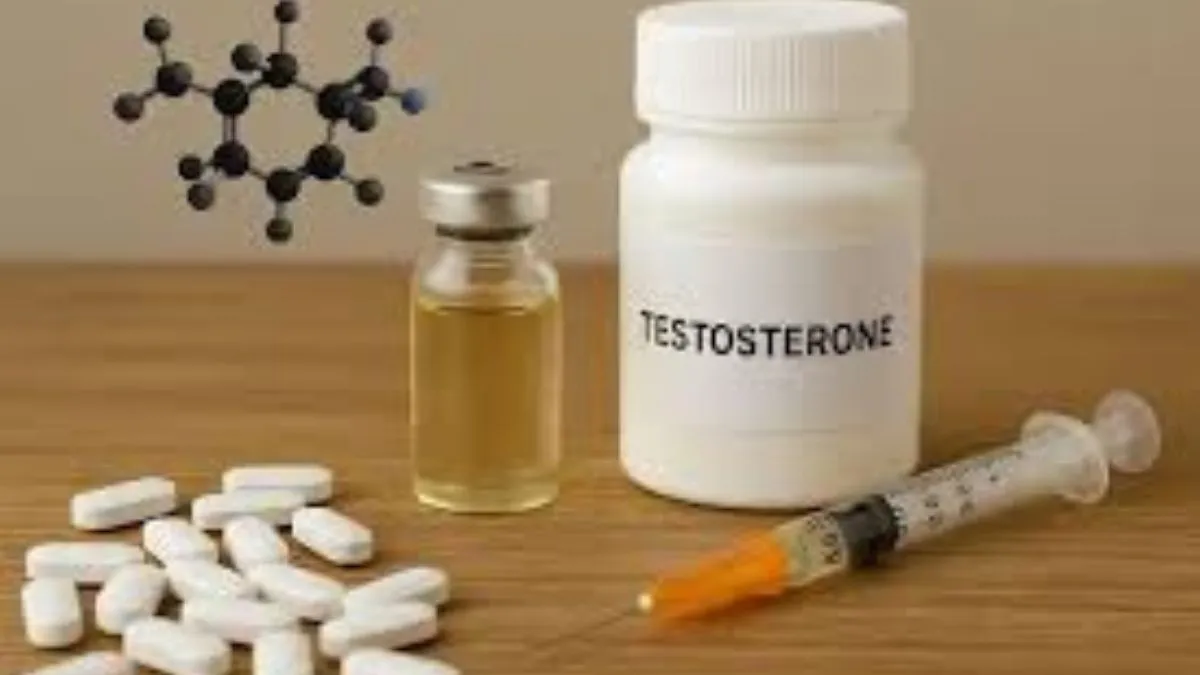
Medical options include lifestyle counseling, addressing comorbidities, and, in some cases, testosterone replacement therapy. TRT How to Increase Testosterone Naturally can improve symptoms but carries risks like infertility, erythrocytosis, and cardiovascular concerns, so discuss benefits and monitoring thoroughly with your clinician.
Use this personalized framework to stay accountable and know when to escalate care, then move on to optimizing nutrition and training for lasting results.
Conclusion
After exploring what testosterone does and why it matters, learning to spot the signs of low levels, and discovering how sleep, nutrition, and exercise influence hormones, you can see that change is within reach. The How to Increase Testosterone Naturally core lessons are simple, yet powerful. Prioritize restorative sleep, adopt a nutrient dense diet, and follow a structured exercise plan that emphasizes strength and intensity. Know when to test, and recognize symptoms early, because informed choices amplify results and protect long term health.
Turn knowledge into action with a clear plan for How to Increase Testosterone Naturally. Start by scheduling a lab test to establish a baseline, then aim for consistent sleep of seven to nine hours, and build a strength training routine three to four times a week with progressive overload. Include short, intense cardio sessions to stimulate hormone response, eat a diet rich in protein and healthy fats, and ensure adequate vitamin D and zinc. Reduce excess alcohol and refined sugar, prioritize recovery, and track your progress so you can adjust as you get stronger and more energized.
Improving testosterone is not a quick fix, it is a commitment to better habits and smarter choices that compound over time. Small How to Increase Testosterone Naturally daily improvements lead to greater energy, more muscle, and renewed confidence, and the real victory is the healthier lifestyle you create along the way.
FAQ
How to Increase Testosterone Naturally?
You can boost testosterone naturally by combining resistance training, quality sleep, and a nutrient-dense diet. Prioritize How to Increase Testosterone Naturally compound lifts like squats and deadlifts, aim for 7–9 hours of sleep nightly, and eat sufficient protein, healthy fats, and micronutrients like zinc and vitamin D. Reduce alcohol, manage stress, and maintain a healthy body composition to support sustained gains. Small daily habits compound into noticeable energy and muscle improvements.
How to Increase Testosterone Naturally with diet?
Focus on whole foods that supply zinc, vitamin D, healthy fats, and adequate protein to support hormone production. Include How to Increase Testosterone Naturally fatty fish, eggs, lean red meat, shellfish, nuts, seeds, and plenty of vegetables while avoiding excess sugar and ultra-processed foods. Make sure you’re getting enough calories—undereating can lower testosterone—while emphasizing balanced meals around workouts. Consistent dietary changes will help energy, recovery, and muscle-building.
How to Increase Testosterone Naturally after 40?
After 40, prioritize strength training, recovery, and sleep to counter age-related declines and preserve lean mass. Add resistance workouts 3–4 times per week, monitor and improve sleep quality, and address vitamin D or zinc deficiencies with food or targeted supplementation if needed. Manage stress through mindfulness or light cardio and have your doctor check baseline hormone levels to tailor a safe plan. With focused habits, you can revitalize energy and maintain muscle into later decades.
How to Increase Testosterone Naturally fast?
There’s no overnight fix, but you can trigger short-term improvements by lifting heavy compound movements, doing a brief bout of high-intensity interval training, and getting a full night’s sleep. Reduce alcohol and acute stress, eat a balanced meal that includes protein and healthy fats, and get some sun for vitamin D. These steps can elevate energy and mood quickly, while consistent practice leads to lasting hormonal benefits. Think of rapid actions as jumpstarts that need sustained follow-through.
What are the best foods to boost testosterone?
The best foods are those rich in protein, healthy fats, zinc, and vitamin D—think fatty fish (salmon, tuna), eggs, lean beef, shellfish like oysters, nuts, seeds, and dairy. Cruciferous vegetables (broccoli, cauliflower) help hormone balance, while whole grains and legumes support overall metabolic health. Avoid excess sugar and processed foods that contribute to fat gain and hormonal disruption. Consistent, nutrient-dense meals fuel workouts and recovery, supporting stronger testosterone responses over time.
Can exercise really increase testosterone levels?
Yes—regular resistance training and short bursts of high-intensity exercise reliably raise testosterone levels, especially when paired with adequate rest and nutrition. Compound lifts (squats, deadlifts, bench press) recruit large muscle groups and stimulate greater hormonal responses than isolation exercises. However, avoid chronic overtraining and insufficient recovery, as these can lower testosterone and increase cortisol. Train smart, progressively overload, and prioritize sleep to maximize hormonal gains.
Do supplements actually raise testosterone?
Some supplements can help if you have a documented deficiency—vitamin D, zinc, and magnesium are the most evidence-backed examples. Adaptogens like ashwagandha show promising results for stress reduction and modest testosterone support, but many over-the-counter “testosterone boosters” lack strong clinical backing. Always test for deficiencies, choose quality products, and consult your healthcare provider before starting supplements. Think of supplements as support tools, not replacements for training, sleep, and diet.
What lifestyle changes increase testosterone?
Adopt a consistent routine of strength training, prioritize 7–9 hours of sleep, eat a balanced diet rich in protein and healthy fats, and maintain a healthy body weight to naturally raise testosterone. Reduce chronic stress through relaxation practices, limit alcohol and smoking, and minimize exposure to endocrine disruptors like BPA. Get regular sunlight or vitamin D testing, and consider medical evaluation if lifestyle changes don’t help. These integrated shifts build energy, resilience, and lasting muscle gains.