


Early Signs of Prostate Problems: 7 Warning Signs You Should Never Ignore
Early Signs of Prostate Problems are symptoms such as changes in urination, pelvic or perineal discomfort, sexual dysfunction, and unexplained pelvic pain that may signal prostatitis, benign prostatic hyperplasia, or prostate cancer. Recognizing these early clues lets you pursue timely evaluation, testing, and treatment that can improve outcomes and reduce anxiety.
The prostate is a small gland beneath the bladder that helps produce seminal fluid, and when it becomes inflamed, enlarged, or develops abnormal cells, the effects show up in everyday functions. Common Early Signs of Prostate Problems prostate conditions include prostatitis, which often causes pain and urinary urgency, benign prostatic hyperplasia, which narrows the urinary flow and disrupts sleep, and prostate cancer, which can be silent or present with subtle changes. Many men ignore early signs because of embarrassment or the belief that symptoms are just part of aging, but you do not have to accept that as normal. Paying attention to patterns, even mild changes, gives you a head start on care and preserves quality of life.
Many men search for early symptoms of prostate problems without realizing that small changes in urination or pelvic comfort can already be warning signs. Prostate problems symptoms in men often begin subtly, including frequent urination, weak urine stream, or discomfort that gradually worsens over time. Recognizing these patterns early can make a significant difference in diagnosis and treatment outcomes.
In the sections ahead you will get clear, practical guidance that turns worry into action, starting with a straightforward explanation of how the prostate works and the most common conditions to watch for. You Early Signs of Prostate Problems will learn why early detection matters for treatment options and long term health, and you will get a detailed checklist of the most common early warning signs with simple next steps, testing options, and when to see a clinician. Read on and you will leave with a plan you can use to protect your health and advocate for timely, confident care.
How the prostate works and common prostate conditions
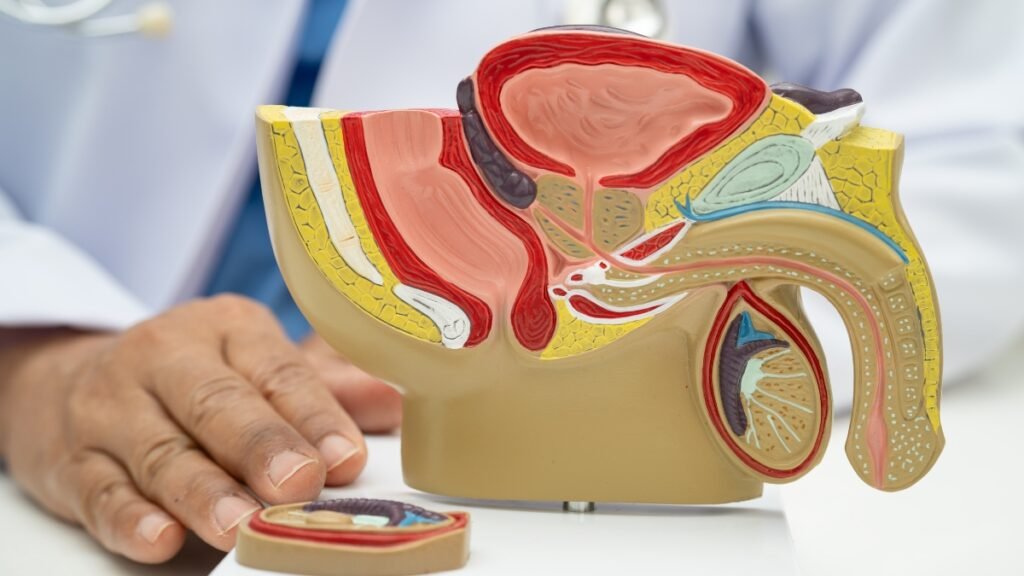
The prostate is a small gland beneath the bladder that helps produce seminal fluid and supports fertility. It surrounds the urethra so changes in size or inflammation often affect urination, sexual function, and pelvic comfort, and recognizing Early Signs of Prostate Problems can prompt earlier evaluation and treatment.
Benign prostatic enlargement (BPH)
BPH is a noncancerous growth that narrows the urethra and causes hesitancy, weak flow, and nocturia. Men may ignore symptoms until they disrupt sleep or daily life, but spotting Early Signs of Prostate Problems early lets you explore medication, lifestyle steps, or minimally invasive procedures to restore quality of life.
Common signs of enlarged prostate, also known as BPH symptoms in men, include difficulty starting urination, a weak urine stream, and the need to urinate frequently, especially at night. These symptoms tend to develop slowly and are often ignored until they begin to interfere with daily life.
Prostatitis (inflammation or infection)
Prostatitis ranges from acute bacterial infection to chronic pelvic pain syndromes. Symptoms include fever, urgent urination, and perineal pain, and the pattern often differs from BPH. Pay attention to Early Signs of Prostate Problems that suggest infection, because timely antibiotics or targeted therapies relieve symptoms faster. Pelvic pain in men can sometimes be linked to prostate inflammation or chronic conditions affecting the gland. This type of discomfort may be persistent or intermittent and is often mistaken for muscular or digestive issues.
Prostatitis early symptoms may include pelvic pain, burning during urination, and increased urgency to urinate. In some cases, men may also experience flu-like symptoms, which can indicate an संक्रमण requiring immediate medical attention.
Prostate cancer, how it differs
Prostate cancer can be slow growing or aggressive, and it may cause similar urinary symptoms but also unexplained weight loss or bone pain with spread. Unlike BPH or prostatitis, cancer requires diagnostic tests and risk-based decisions. Noting Early Signs of Prostate Problems and discussing screening options helps you and your clinician choose the right path.
| Condition | Typical Age | Common Symptoms | Treatment Approach |
|---|---|---|---|
| BPH | 50s and older | Weak stream, nocturia, urgency | Medication, minimally invasive procedures |
| Prostatitis | Any adult | Pain, fever, urinary urgency | Antibiotics, pain management, physical therapy |
| Prostate cancer | Typically older adults | Urinary change, systemic symptoms if advanced | Active surveillance, surgery, radiation, systemic therapy |
Understanding how these conditions differ empowers you to seek timely care and clear Early Signs of Prostate Problems, next steps, so let’s review the tests and when to see a doctor.

Why early detection makes a difference
Catching prostate issues early can transform both treatment and peace of mind. Recognizing changes and seeking care quickly opens up more options, and clinicians can often address problems with less invasive approaches when Early Signs of Prostate Problems are identified promptly.
When urinary changes, pelvic discomfort, or sexual difficulties appear, timely evaluation improves outcomes. Research shows that early diagnosis increases the likelihood of successful management and reduces the risk of complications, so paying attention to Early Signs of Prostate Problems leads to clearer choices and better recovery prospects.
Understanding how to detect prostate problems early involves paying attention to subtle physical changes and seeking medical evaluation when symptoms persist. Early action can significantly improve treatment success and reduce complications.
Beyond physical benefits, early detection reduces anxiety by turning uncertainty into a plan. Simple tests such as a digital rectal exam, PSA blood test, or targeted imaging help pinpoint the cause, and clinicians can explain how specific symptoms relate to likely diagnoses when Early Signs of Prostate Problems are described in detail.
| Condition | Typical Symptoms | When to See a Doctor |
|---|---|---|
| Prostatitis | Frequent urination, pain in pelvis or perineum, fever | Symptoms appear suddenly or worsen |
| Benign Prostatic Hyperplasia | Weak stream, nocturia, incomplete emptying | Interference with daily life or sleep |
| Prostate Cancer | Early signs may be subtle, advanced disease can cause pain or blood in urine | Persistent symptoms or risk factors present |
Acting on early clues gives you control, more treatment choices, and often easier recovery. Talk Early Signs of Prostate Problems with your provider as soon as patterns emerge, then read on to learn what tests to expect and how to prepare for your appointment.
Less obvious or atypical early symptoms
Blood in urine or semen
Seeing blood, even a small amount, in your urine or semen can be alarming. Most Early Signs of Prostate Problems of the time it is not an emergency, but it is a clear signal to seek evaluation right away, because visible blood may reflect inflammation, infection, or, less commonly, prostate cancer.
Because this sign is sometimes dismissed, keep in mind that spotting blood can be one of the Early Signs of Prostate Problems and should prompt a prompt visit to your clinician for targeted testing and imaging.
Blood in urine in men can be alarming and is often associated with prostate-related conditions, infections, or other urinary tract issues. Even if it appears only once, it is important to investigate the cause as early as possible.
Unexplained fatigue or unintended weight loss
Persistent fatigue or losing weight without trying may not seem connected to the urinary tract, but systemic symptoms can accompany advanced or chronic prostate conditions. Low Early Signs of Prostate Problems energy, poor appetite, and unexplained weight loss deserve attention when they appear alongside urinary or pelvic complaints.
If you notice these changes, document how long they have been occurring, because such systemic clues sometimes count as Early Signs of Prostate Problems and help your provider decide which blood tests or scans to order.
Recurring urinary tract infections or unusual urinary odors
Repeated UTIs or a persistent, unusual odor in urine suggest a chronic source of irritation or infection. The Early Signs of Prostate Problems prostate can harbor bacteria that cause recurrent infections, and those patterns are meaningful when assessing men with ongoing urinary symptoms.
Track frequency, associated pain, and how infections respond to antibiotics, since these patterns can be important Early Signs of Prostate Problems and guide decisions about specialist referral and prostate imaging.
| Symptom | What it may indicate | Suggested urgency |
|---|---|---|
| Blood in urine or semen | Inflammation, infection, malignancy | Prompt evaluation |
| Unexplained fatigue/weight loss | Systemic disease, advanced prostate condition | Timely medical review |
| Recurring UTIs/unusual odor | Chronic bacterial prostatitis or obstruction | Assessment by urologist recommended |
Stay proactive and share any of these atypical clues with your clinician, because they shape the next section on diagnostic tests and what steps to take.
Who is at higher risk and should be more vigilant
Age and family history
Risk rises with age, most men over 50 face a greater chance of prostate conditions and should pay attention to subtle changes. Recognizing Early Signs of Prostate Problems can prompt timely testing and reduce anxiety about what those changes might mean.
A family history of prostate cancer or related cancers increases risk substantially, especially if a father or brother was affected at a young age. Men Early Signs of Prostate Problems with that history should watch symptoms closely and discuss earlier screening with their clinician.
Race and genetic predispositions
African American men have higher incidence and mortality from prostate cancer, so vigilance is vital. Noticing Early Signs of Prostate Problems earlier can make a big difference in outcomes for men in this group.
Certain inherited mutations, such as BRCA1 or BRCA2, and other genetic predispositions raise both risk and aggressiveness of disease. If Early Signs of Prostate Problems you know you carry a mutation, work with a specialist to tailor monitoring and respond quickly to any warning signs.
Medical and lifestyle risk factors (obesity, smoking, comorbidities)
Obesity, tobacco use, and chronic conditions like diabetes or cardiovascular disease are linked to worse prostate outcomes. These factors can make Early Signs of Prostate Problems more consequential, so lifestyle changes matter.
Managing weight, quitting smoking, and optimizing control of comorbidities improves overall health and may reduce risk or progression. If Early Signs of Prostate Problems you have multiple risk factors, consider a more proactive screening plan with your provider.
| Risk Factor | Why it raises risk | What to do |
|---|---|---|
| Age >50 | Incidence increases with age | Start regular discussions and screening |
| Family history | Inherited risk amplifies likelihood | Consider earlier and more frequent screening |
| African American race | Higher rates and worse outcomes | Be vigilant for symptoms, discuss testing |
| Genetic mutations | Greater risk and aggressiveness | Genetic counseling and tailored monitoring |
| Obesity, smoking, comorbidities | Worse prognosis and symptom burden | Lifestyle changes, tighter medical control |
Next, learn about screening options and when to see a doctor.
When to see a doctor and immediate next steps
Red flags that need urgent evaluation
If you experience sudden inability to urinate, fever with chills, visible blood in urine, or severe, worsening pelvic pain, seek urgent medical attention right away. These symptoms can signal complications that require prompt treatment, and they may represent urgent Early Signs of Prostate Problems.
Other red flags include persistent high fever, fainting or dizziness with urination, or rapidly worsening urinary retention. If pain is accompanied by nausea or vomiting, or if you have a history of prostate disease and new neurologic signs, do not wait. Recognizing these early clues can prevent complications and speed appropriate care, especially when the issue is a serious Early Signs of Prostate Problems.
| Symptom | Why it matters | Action |
|---|---|---|
| Cannot urinate | Risk of bladder and kidney damage | Go to ER now |
| High fever with pelvic pain | Possible severe infection | Urgent evaluation |
| Visible blood in urine | Bleeding source needs investigation | Prompt clinic or ER visit |
How to prepare for the visit (symptom log, medication list, questions to ask)
Before your appointment, keep a symptom log for at least a week. Note frequency, urgency, nocturia episodes, flow changes, pain location, and any sexual dysfunction. Record when symptoms began and what makes them better or worse, mention these details as examples of Early Signs of Prostate Problems during the visit.
Bring a complete medication and supplement list with doses and timing. Include prior treatments for prostate or urinary issues and any recent tests. Prepare concise, prioritized questions to maximize the visit, such as “Could this be infection, benign enlargement, or cancer?” and “What tests do you recommend first?” A clear record helps your clinician act faster when Early Signs of Prostate Problems are suspected.
Be proactive, stay calm, and ask for next steps including testing, pain control, and follow up, so you leave the visit with a clear plan for addressing Early Signs of Prostate Problems. Next, we will discuss common tests and what to expect during evaluation.
Practical self-care, follow-up plans, and treatment pathways
Symptom tracking and recommended follow-up intervals
Start a concise symptom diary logging urinary frequency, stream strength, urgency, nocturia, pelvic discomfort, and changes in sexual function. Keep entries daily for two weeks so patterns become clear, and include any fever or blood in the urine, as these details help clinicians identify Early Signs of Prostate Problems.
If symptoms are mild, schedule a primary care visit within four to six weeks, with repeat review at three months. Seek urgent evaluation within 48 hours for severe pain, high fever, or inability to urinate. For persistent or progressive issues, expect referrals to urology and possible PSA testing or imaging to clarify the cause of Early Signs of Prostate Problems.
| Symptom Severity | Recommended Action | Timing |
|---|---|---|
| Mild, stable | Watchful monitoring, lifestyle changes | 4–12 weeks |
| Persistent or worsening | Primary care assessment, PSA, urinalysis | 2–6 weeks |
| Severe or systemic | Urgent care, possible antibiotics or catheter | Within 48 hours |
Lifestyle measures that support prostate health (diet, exercise, fluid timing)
Adopt a Mediterranean-style diet rich in tomatoes, leafy greens, fatty fish, nuts, and whole grains, because antioxidants and healthy fats support prostate health and may reduce progression of Early Signs of Prostate Problems. Limit processed foods, high-sodium items, and large servings of red meat.
Regular moderate exercise and pelvic floor training improve bladder control and sexual function, aim for 30 minutes most days. Time fluids to reduce nighttime trips, avoid caffeine and alcohol in the evening, and monitor how dietary changes affect your urinary pattern and any Early Signs of Prostate Problems.
Treatment options and next steps after diagnosis (watchful waiting, meds, procedures, referrals)
Treatment is individualized. Watchful waiting or active surveillance can be appropriate for mild symptoms or low-risk findings, with regular follow-up. Medications include alpha-blockers for symptom relief, 5-alpha-reductase inhibitors to shrink the gland, and antibiotics for bacterial prostatitis, chosen based on diagnosis and symptom severity.
Procedures range from minimally invasive office therapies to transurethral resection for severe blockage. Expect referrals to urology for advanced evaluation, imaging, or biopsy when cancer is suspected. Address sexual health, continence, and pain with targeted therapies and supportive counseling when needed, particularly after interventions.
Use your symptom log and follow-up plan to guide decisions, and prepare questions for your clinician about risks, benefits, and timelines to act on Early Signs of Prostate Problems as appropriate. In the next section, we will discuss diagnostic testing and what results mean for your care.
Overall, prostate health warning signs should never be ignored, even when symptoms seem mild. Identifying patterns early and taking proactive steps can help prevent more serious complications and ensure better long-term health.

Conclusion
Reading through the signs and the science made me realize how much power we have when we act early, I kept thinking about how small changes in symptoms can point to bigger issues, and how knowing the common and the less obvious warning signs gives me a clear roadmap, I want you to leave with the same clarity. I remember the main takeaways, the prostate can affect urination and sexual health, early detection often means simpler treatment and better outcomes, and certain men face higher risk, like those with family history, older age, or specific backgrounds. I also learned to pay attention to subtle changes, because atypical symptoms can appear before the more obvious ones.
Now I recommend practical steps you can use, start by tracking what you notice, write down frequency of urination, weak stream, urgency, pain, or changes in erections, share that list with your doctor at your next visit. I advise scheduling a checkup if anything is new or worsening, ask about screening options like a PSA blood test and a physical exam, discuss benefits and risks openly. I also suggest lifestyle moves that help, like staying active, eating a balanced diet, managing weight, and cutting smoking, these steps support overall prostate health while you pursue medical evaluation.
I urge you to take action right now, call your primary care physician or urologist today and book an appointment within the next two weeks, bring a written list of your symptoms and your family history, and if you notice blood in your urine, severe pain, or sudden inability to urinate, seek immediate medical care. The information presented here is for informational purposes only and does not replace medical advice. Always seek a qualified healthcare professional.
FAQ – Early Signs of Prostate Problems
What are the early signs of prostate problems?
The most common early signs of prostate problems include changes in urination such as weak flow, urgency, frequent nighttime urination (nocturia), pelvic or perineal discomfort, and sexual dysfunction. Some men may also notice subtle symptoms like fatigue or mild pain that should not be ignored.
At what age should men start worrying about prostate problems?
Men over the age of 50 are at higher risk, but prostate issues can occur earlier, especially in those with a family history or genetic predisposition. Paying attention to early signs of prostate problems at any age can lead to faster diagnosis and better outcomes.
Are early prostate problems always a sign of cancer?
No, most early signs of prostate problems are linked to non-cancerous conditions like benign prostatic hyperplasia (BPH) or prostatitis. However, because prostate cancer can present with similar symptoms or even be silent, proper evaluation is essential.
When should I see a doctor about prostate symptoms?
You should see a doctor if you notice persistent urinary changes, pelvic pain, sexual dysfunction, or any unusual symptoms like blood in urine or semen. Urgent care is needed if you experience severe pain, fever, or inability to urinate.
How are prostate problems diagnosed early?
Doctors typically use a combination of a digital rectal exam (DRE), PSA blood test, urine tests, and sometimes imaging or biopsy. Early detection of prostate problems allows for more treatment options and less invasive approaches.
Can lifestyle changes help prevent prostate problems?
Yes, healthy habits such as regular exercise, a balanced diet rich in fruits and vegetables, maintaining a healthy weight, and avoiding smoking can support prostate health. While they don’t guarantee prevention, they may reduce the risk or progression of prostate conditions.